











Is there a significant difference in nutritional value between mini vegetables and regular-sized vegetables?
It's not accurate to say that mini vegetables are always more or less nutritious than full-sized vegetables. Nutrient content varies depending on the type of vegetable, its level of ripeness, growing conditions, harvest time, and storage duration.
While some mini varieties may have higher levels of certain vitamins, phenolic compounds, or antioxidants, some early-harvested vegetables may have lower levels of certain nutrients that increase with ripening.
Is the perception that "children are healthier because they are smaller" scientifically accurate?
No. This perception is closely related to a cognitive bias described in the nutritional science literature as the "health halo" effect. Just because a vegetable is smaller doesn't automatically mean it's healthier or more nutrient-dense.
Are mini vegetables sufficient for daily vegetable consumption, or are there aspects to consider regarding portion sizes?
Mini vegetables can be included in all or part of a daily vegetable intake. However, portion control should be based on the total amount consumed, not on "how many" are eaten. For example, a few mini carrots, mini peppers, or cherry tomatoes may look like they fill a plate visually, but their weight may be less than a typical vegetable portion.
The Turkish Nutrition Guide recommends consuming at least 400 grams, or approximately five servings, of fruits and vegetables daily, with about 2,5–4 servings coming from vegetables. The World Health Organization also recommends a daily intake of at least 400 grams of fruits and vegetables for individuals over 10 years of age. Therefore, when consuming mini vegetables, the total weight, variety, and overall daily vegetable consumption should be considered.
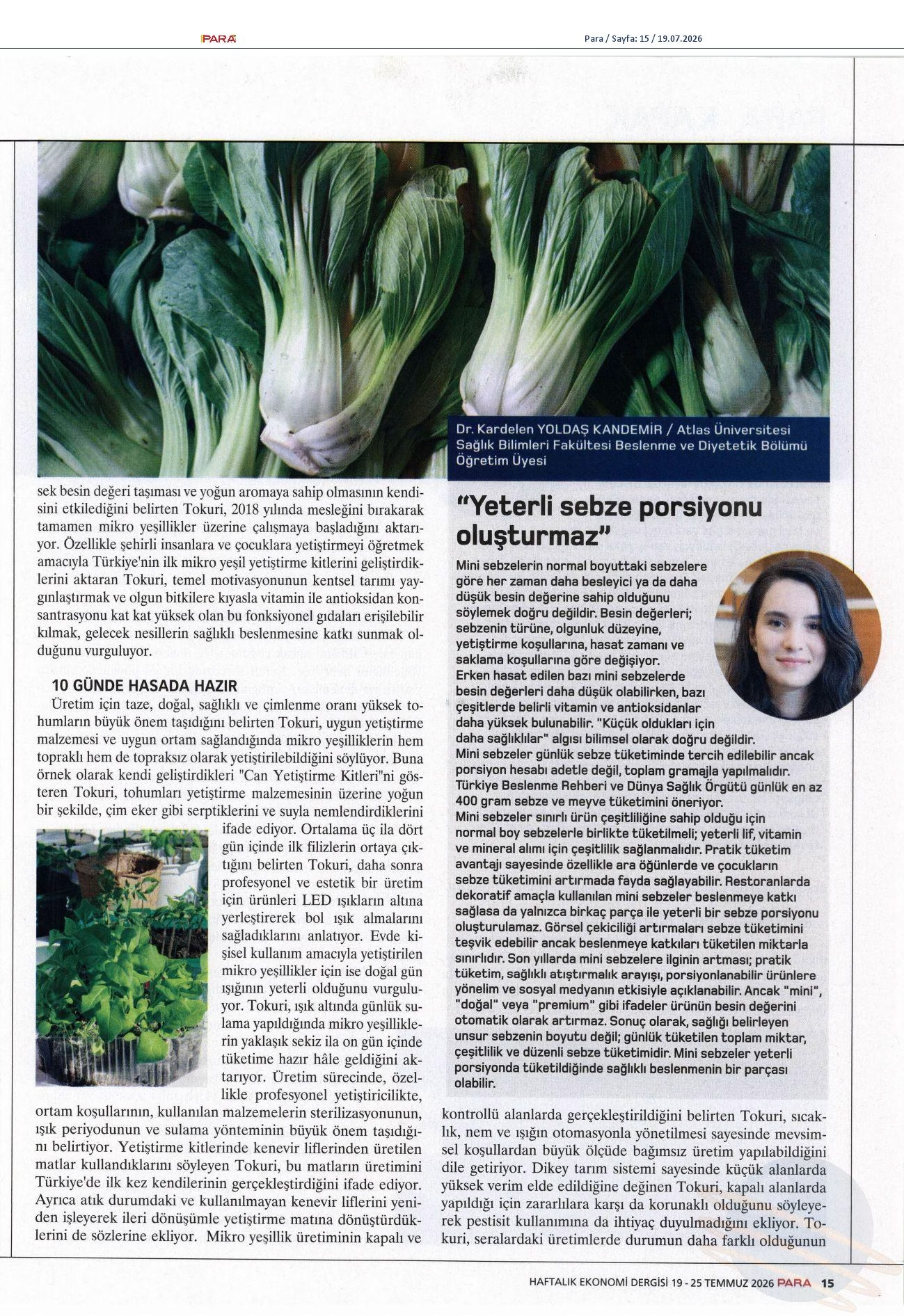
Mini vegetables are usually sold in a limited range of types (carrots, corn, peppers, tomatoes). To support adequate intake of different vitamins and minerals, mini vegetables should be diversified along with regular-sized vegetables.
The contribution of dietary fiber, satiety, and gut health provided by vegetables largely depends on the total amount consumed; eating small portions of mini vegetables may limit these benefits.
How do you evaluate the increasing interest in mini vegetables in recent years from the perspective of nutritional trends?
The increasing interest in mini vegetables can be attributed to the search for healthy snacks, practical consumption, a preference for portioned products, and the importance social media places on visual presentation. Mini vegetables fit into today's practical nutrition trends because they are easy to carry, require less cooking or chopping, and are more appealing, especially to children.
Scientific literature also reports that mini fruits and vegetables are a product group that is positively received by consumers and is gaining increasing interest. However, when evaluating this trend, it should be remembered that marketing terms such as "mini," "natural," "premium," or "healthy" do not automatically increase the nutritional value of the product. The most important advantage of mini vegetables is not that they are healthier than regular vegetables, but that they make vegetable consumption easier, more practical, and more appealing.
Mini vegetables can be a part of a healthy diet when consumed in adequate portions; however, it is important to remember that a few mini vegetables alone will not meet your entire daily vegetable needs.