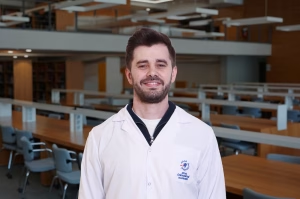

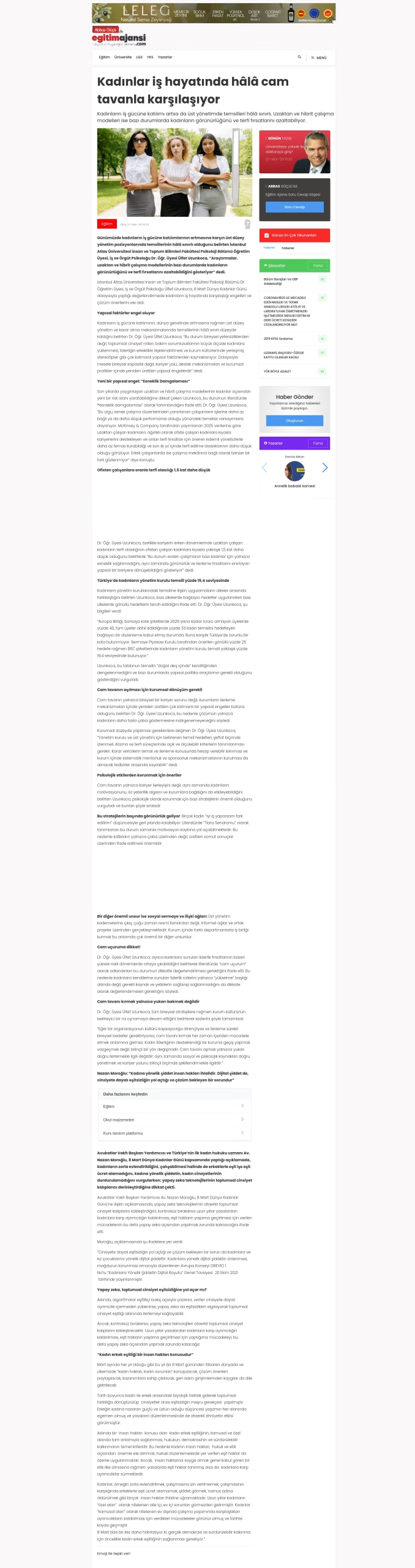
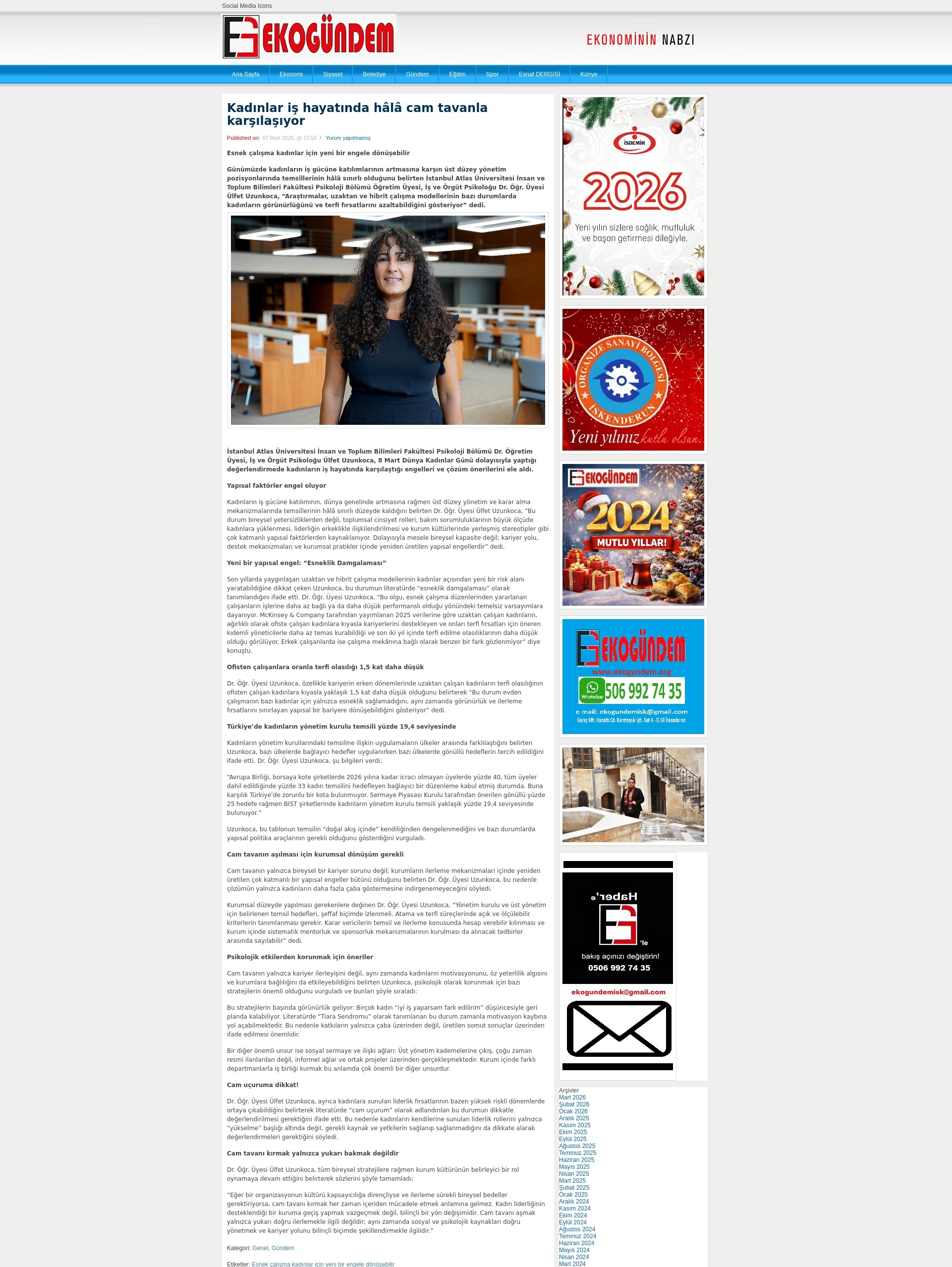
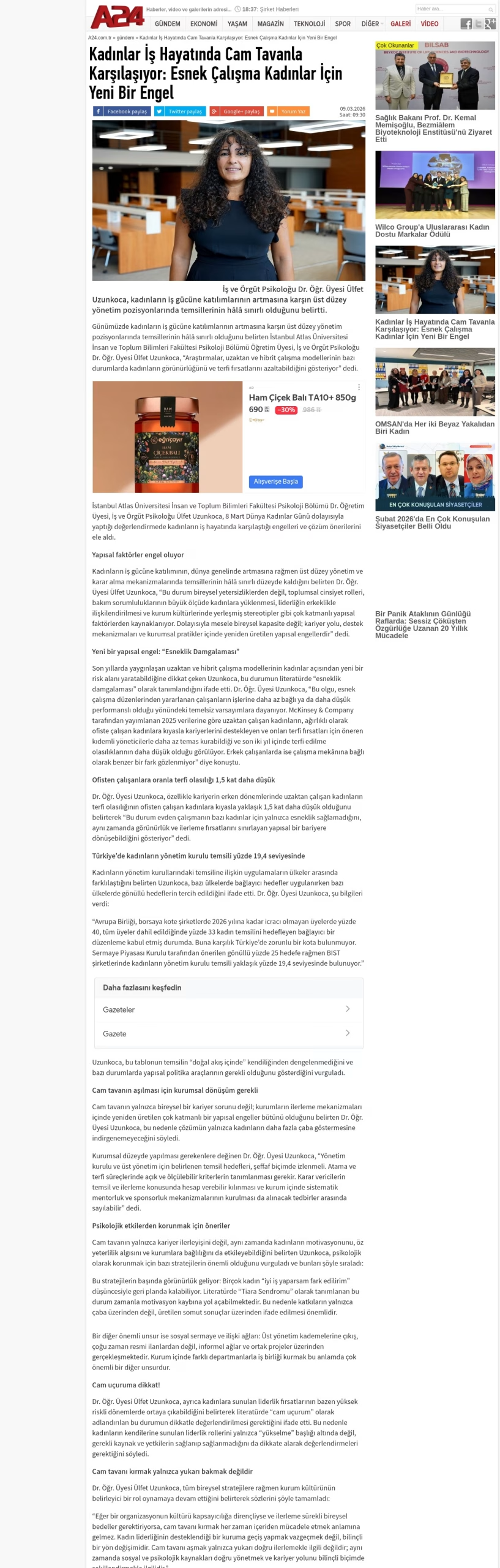
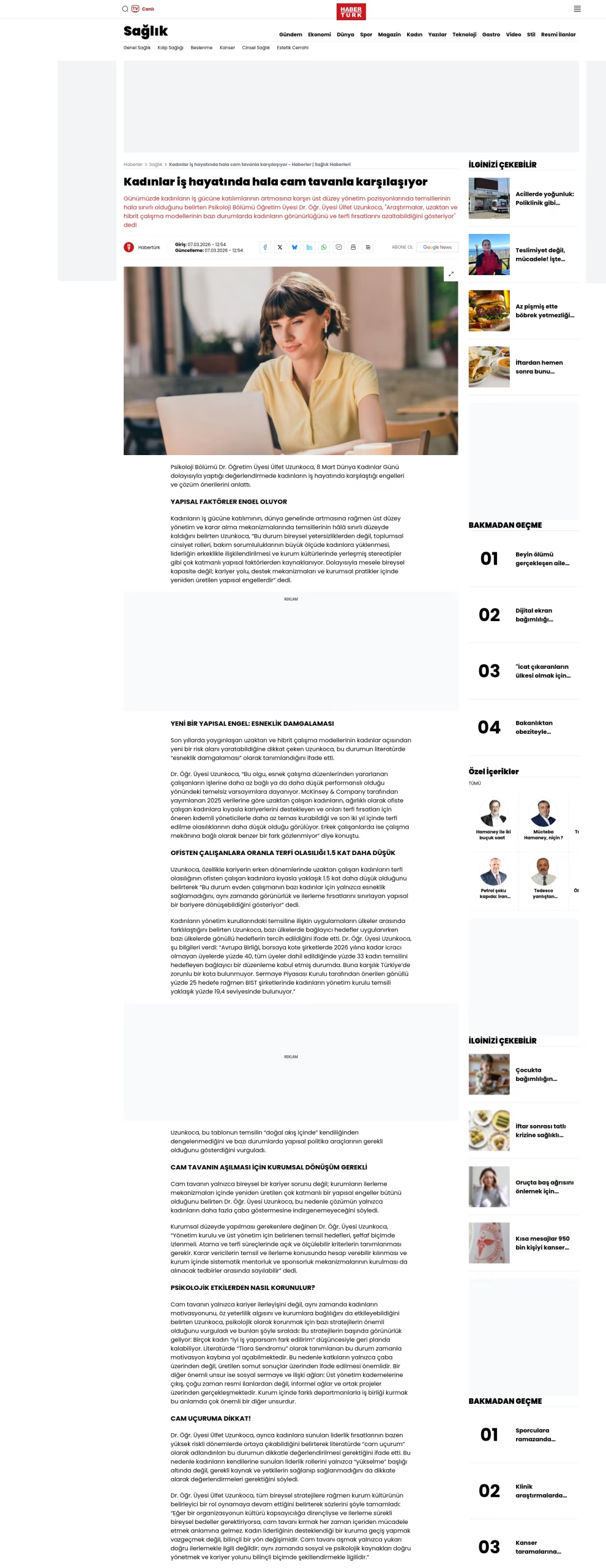
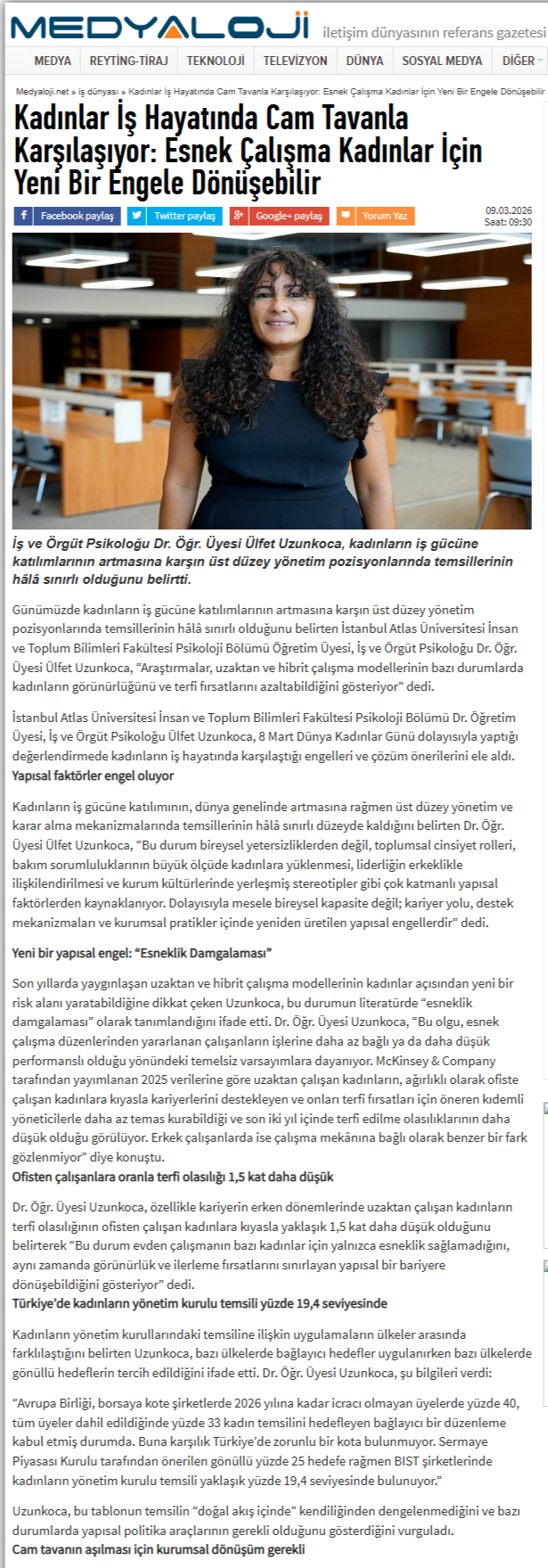
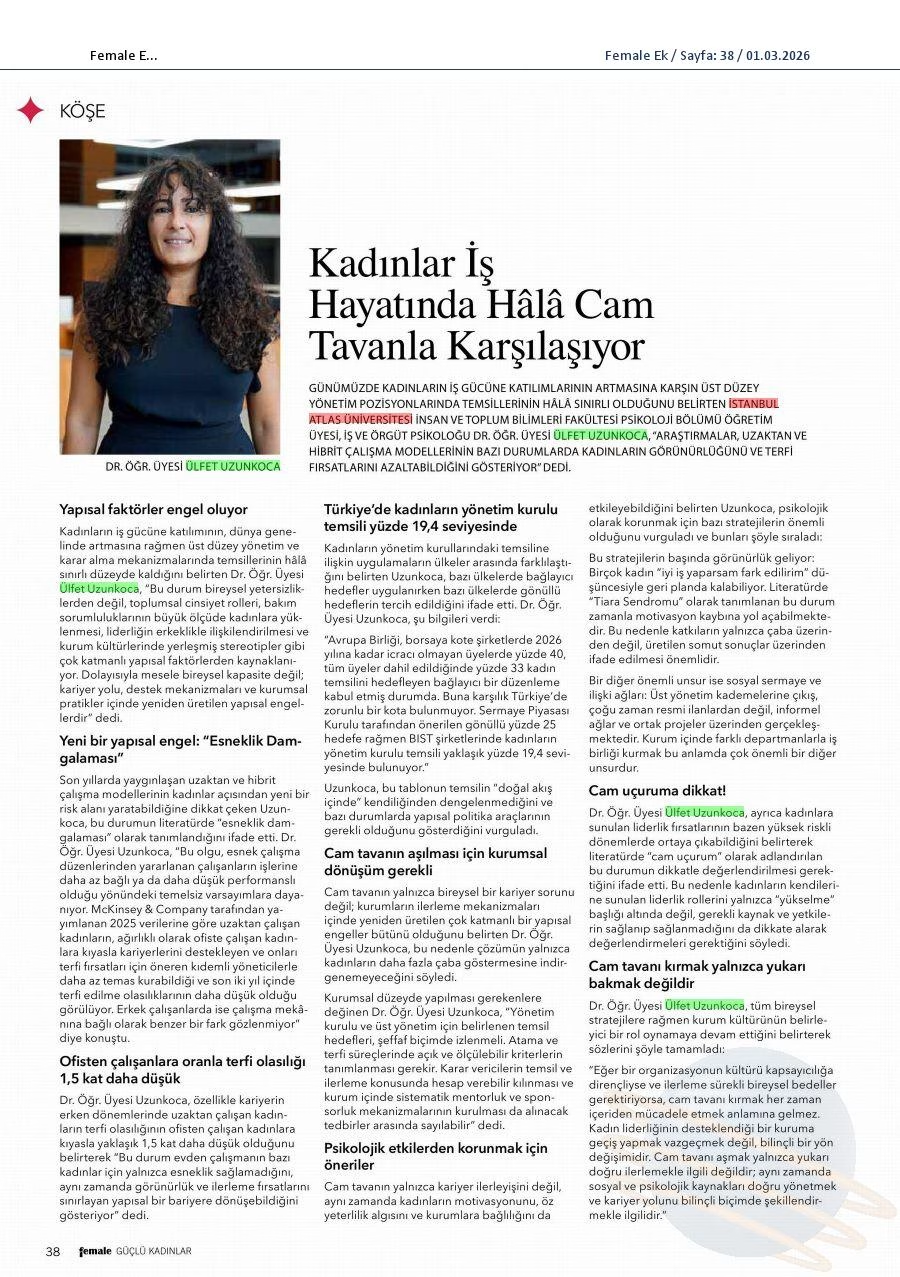
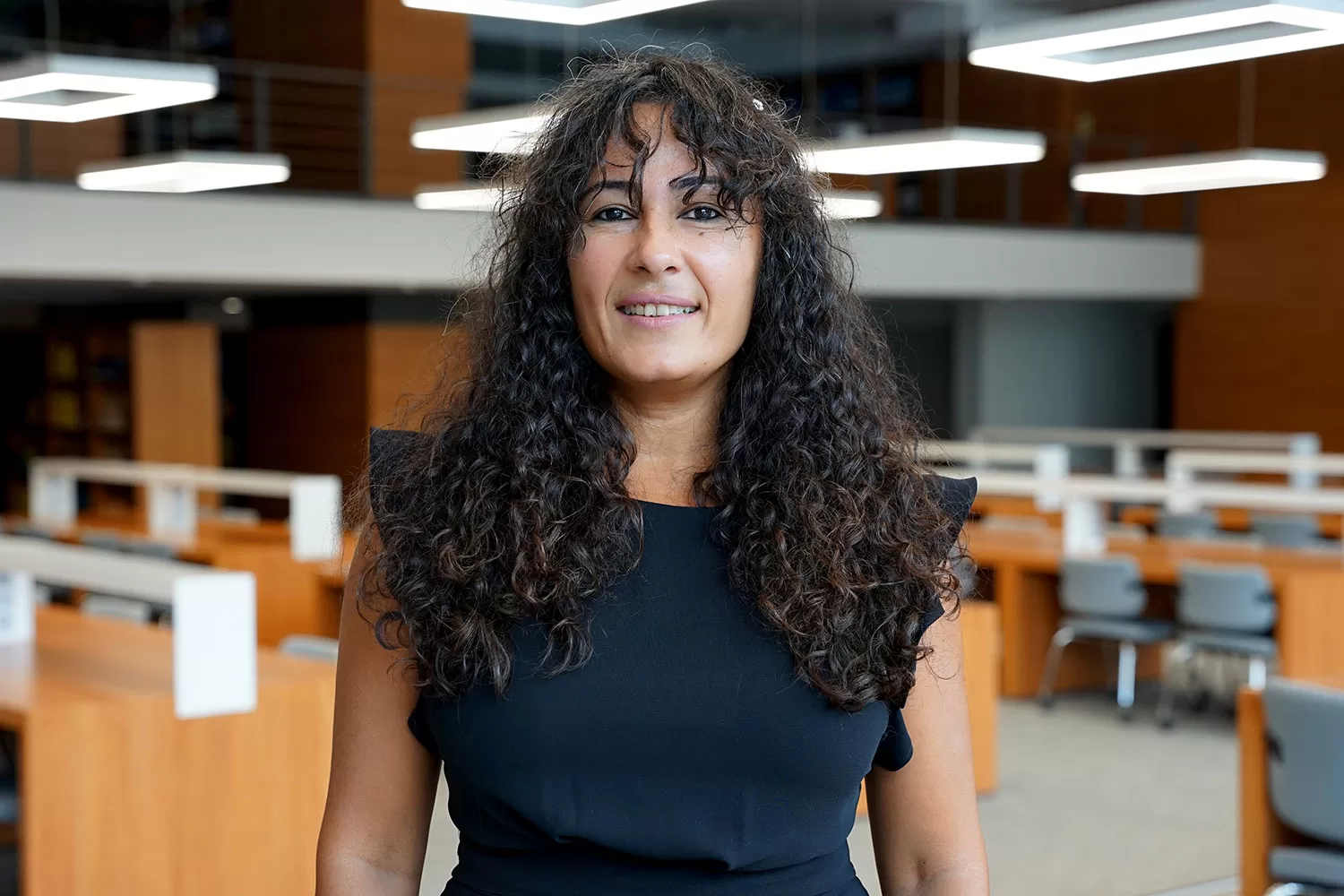
Dr. Ülfet Uzunkoca, Assistant Professor of Psychology and Business and Organizational Psychologist at Istanbul Atlas University's Faculty of Human and Social Sciences, addressed the obstacles women face in the workplace and offered solutions in her assessment on the occasion of International Women's Day on March 8th.
Structural factors are hindering progress.
Dr. Ülfet Uzunkoca, Assistant Professor, stated that although women's participation in the workforce is increasing worldwide, their representation in senior management and decision-making mechanisms remains limited.
“This situation stems not from individual inadequacies, but from multifaceted structural factors such as gender roles, the heavy burden of caregiving responsibilities placed on women, the association of leadership with masculinity, and stereotypes ingrained in organizational cultures. Therefore, the issue is not individual capacity; it is the structural barriers reproduced within career paths, support mechanisms, and organizational practices.”
A new structural barrier: “Flexibility Stigma”
Remote and hybrid work models, which have become widespread in recent years, can create a new area of risk for women. This situation is discussed in the literature. "This phenomenon is described as "flexibility stigma." It is based on the unfounded assumption that employees who benefit from flexible work arrangements are less committed to their jobs or perform worse.
Their chances of promotion are 1,5 times lower compared to those who work in an office.
According to 2025 data published by McKinsey & Company, women working remotely are less likely to have contact with senior managers who support their careers and recommend them for promotion opportunities, and are less likely to be promoted in the last two years, compared to women working predominantly in the office. No similar difference is observed for male employees depending on their workplace.
Especially in the early stages of their careers, women working remotely are about 1,5 times less likely to be promoted compared to women working in the office. This shows that working from home not only provides flexibility for some women, but can also become a structural barrier that limits visibility and advancement opportunities.”
In Türkiye, women's representation on boards of directors is at 19,4 percent.
Uzunkoca stated that practices regarding women's representation on boards of directors vary between countries, noting that some countries implement binding goals while others prefer voluntary goals. Dr. Uzunkoca provided the following information:
“The European Union has adopted a binding regulation targeting 40% female representation among non-executive board members and 33% including all board members in publicly traded companies by 2026. In contrast, there is no mandatory quota in Türkiye. Despite the voluntary 25% target proposed by the Capital Markets Board, female representation on the boards of BIST companies is approximately 19,4%. This situation shows that representation does not balance itself “naturally” and that structural policy tools are necessary in some cases.”
Organizational transformation is necessary to overcome the glass ceiling.
“The glass ceiling is not just an individual career problem; it is a multi-layered set of structural barriers reproduced within the advancement mechanisms of institutions,” said Dr. Uzunkoca, adding that therefore, the solution cannot be reduced solely to women making greater efforts.
Referring to the necessary actions at the institutional level, Dr. Uzunkoca stated, “The representation targets set for the board of directors and senior management should be monitored transparently. Clear and measurable criteria should be defined in appointment and promotion processes. Making decision-makers accountable regarding representation and advancement, and establishing systematic mentoring and sponsorship mechanisms within the institution are also among the measures to be taken.”
Suggestions for protecting yourself from psychological effects
Uzunkoca stated that the glass ceiling can affect not only career advancement but also women's motivation, self-efficacy perception, and commitment to organizations, emphasizing that certain strategies are important for psychological protection and listed them as follows:
The most important of these strategies is visibility.Many women tend to stay in the background, thinking, "I'll only get noticed if I do a good job." This situation, described in the literature as "Tiara Syndrome," can lead to a loss of motivation over time. Therefore, it is important that contributions are expressed not only through effort but also through tangible results.
Another important element is social capital and relationship networks: Advancement to senior management positions often occurs not through formal job postings, but through informal networks and collaborative projects. Establishing cooperation with different departments within the organization is another crucial element in this regard.
Beware of the glass cliff!
Dr. Ülfet Uzunkoca also noted that leadership opportunities offered to women can sometimes arise during high-risk periods, a situation referred to in the literature as the "glass cliff," and emphasized the need for careful consideration. Therefore, she stated that women should evaluate leadership roles offered to them not only in terms of "advancement" but also by considering whether the necessary resources and authority are provided.
Breaking the glass ceiling isn't just about looking up.
Dr. Ülfet Uzunkoca, Assistant Professor, concluded her remarks by stating that despite all individual strategies, organizational culture continues to play a decisive role.
“If an organization’s culture is resistant to inclusion and progress consistently requires individual sacrifices, breaking the glass ceiling doesn’t always mean fighting from within. Transitioning to an organization that supports female leadership is not giving up, but a conscious shift in direction. Overcoming the glass ceiling isn’t just about moving upwards; it’s also about managing social and psychological resources effectively and consciously shaping one’s career path.”