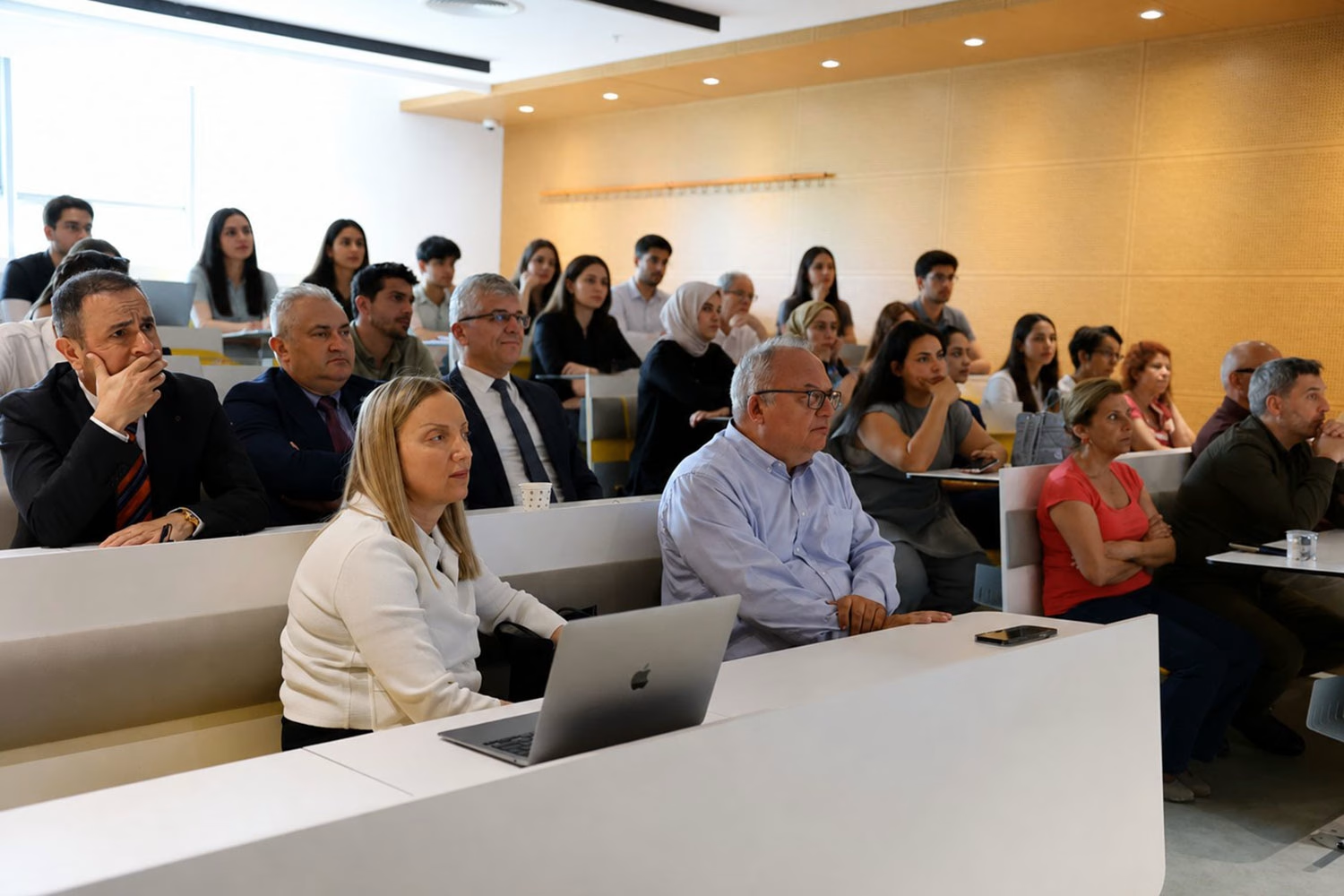
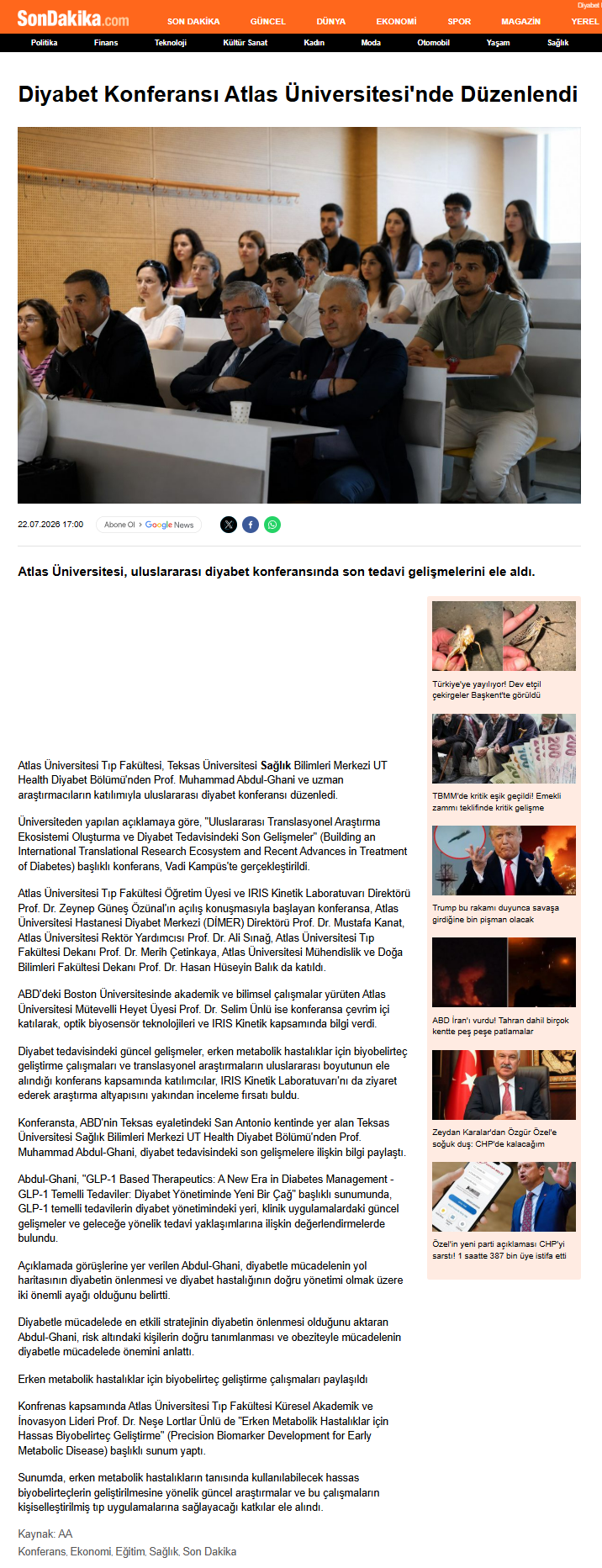
The event, with national and international participation, addressed current developments in diabetes treatment, biomarker development studies for early metabolic diseases, and the international dimension of translational research. As part of the event, participants also had the opportunity to visit the IRIS Kinetics Laboratory and examine its research infrastructure firsthand.
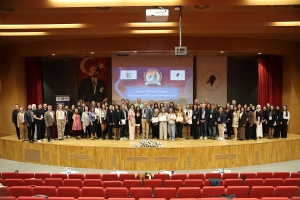
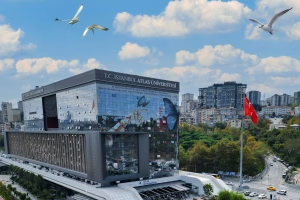
The event titled “Building an International Translational Research Ecosystem and Recent Advances in Treatment of Diabetes,” organized by Atlas University Faculty of Medicine, was held on July 21, 2026, at the Vadi Campus.
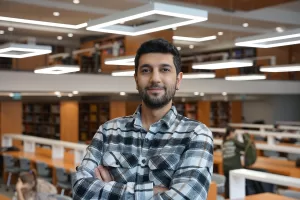
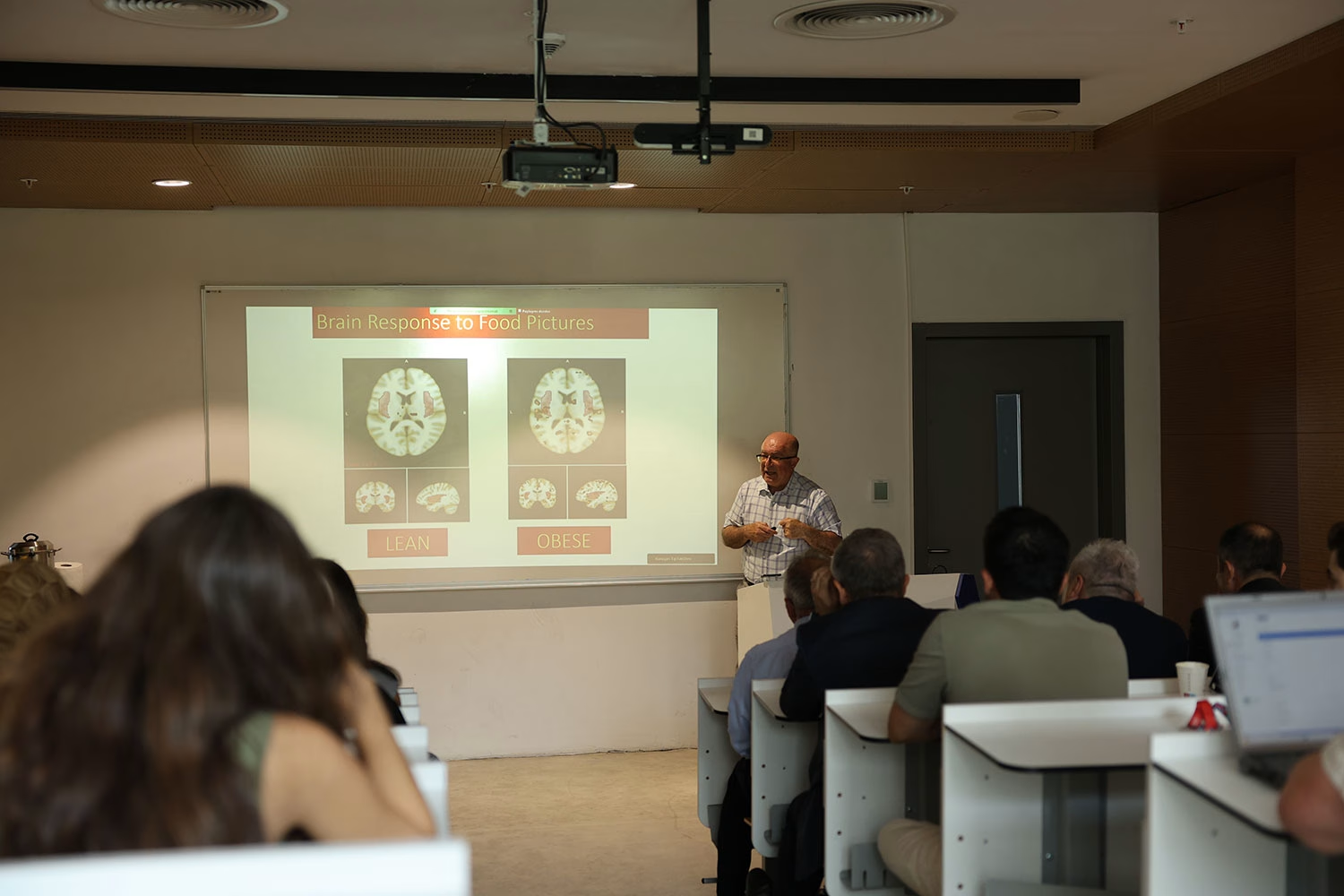
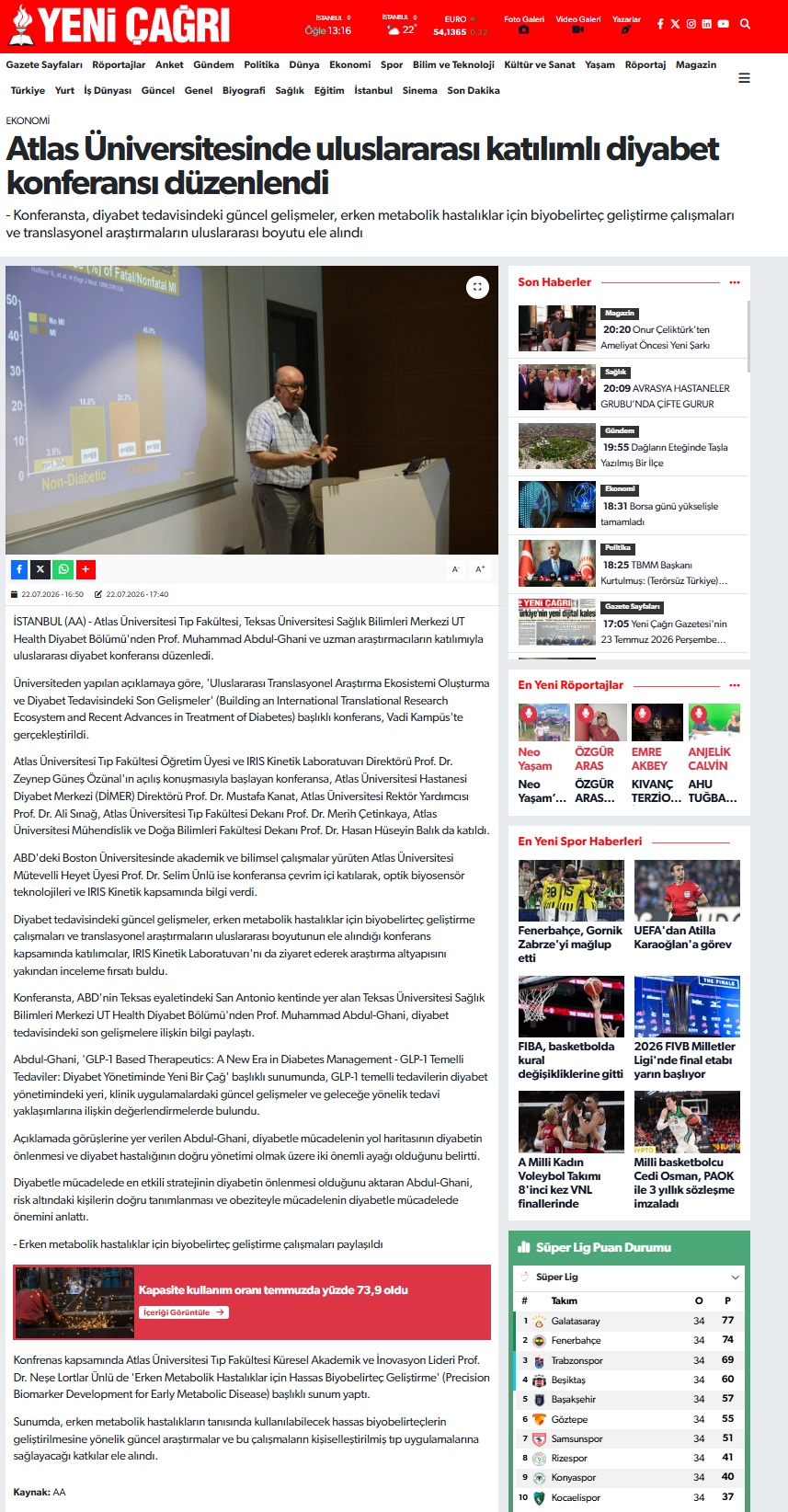
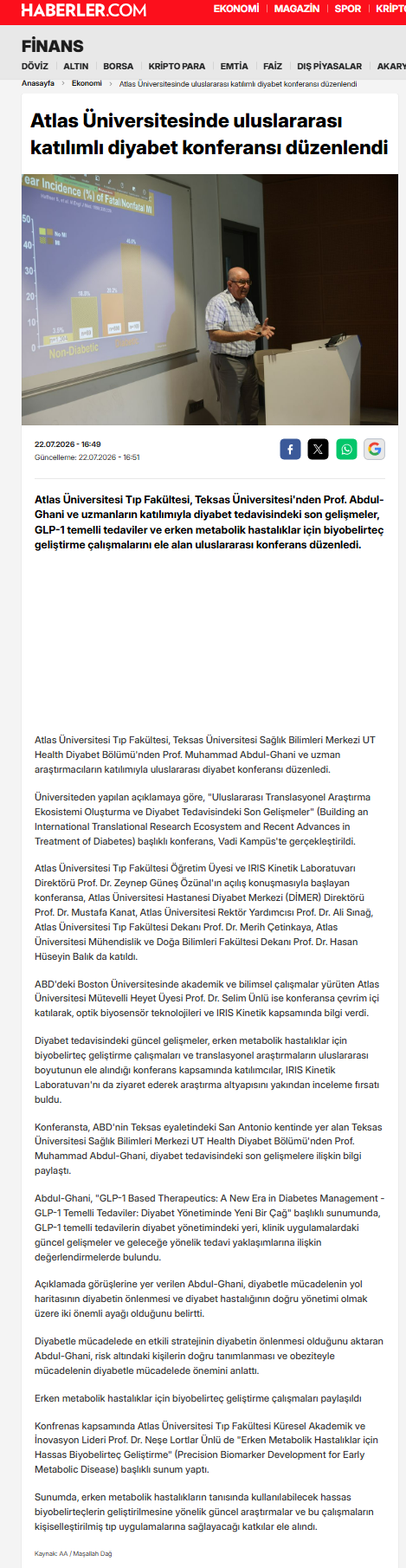
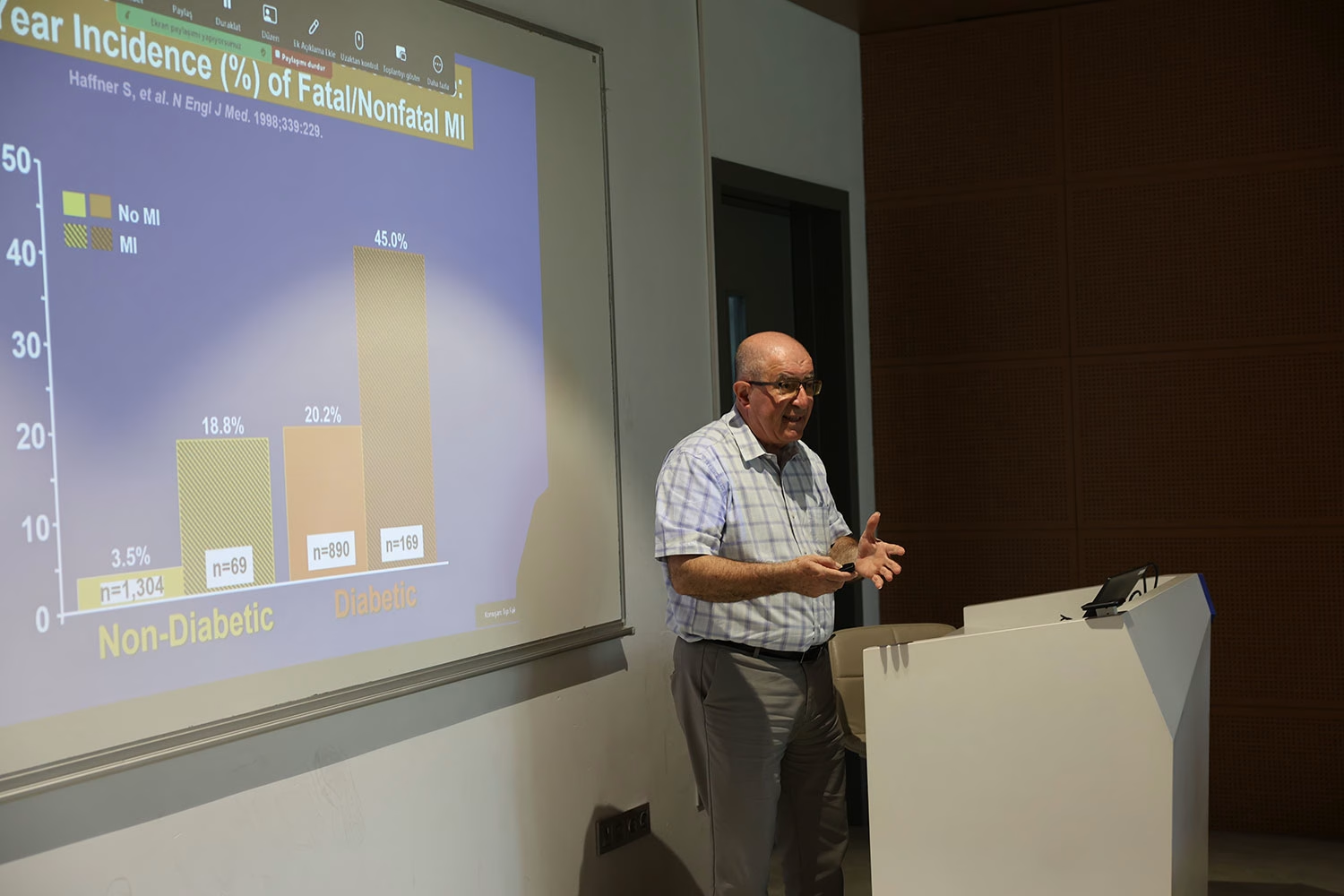
Prof. Muhammad A. Abdul-Ghani explained GLP-1 based treatments.
Professor Muhammad A. Abdul-Ghani, one of the world's leading diabetes researchers and a member of the Diabetes Division at the University of Texas Health Science Center – UT Health in San Antonio, USA, discussed the latest developments in diabetes treatment.
In his presentation titled “GLP-1 Based Therapeutics: A New Era in Diabetes Management,” Prof. Abdul-Ghani provided a comprehensive assessment of the role of GLP-1-based therapies in diabetes management, current developments in clinical practice, and future treatment approaches.
Professor Abdul-Ghani stated that the roadmap for combating diabetes has two important pillars: prevention and proper management of the disease. He emphasized that the most effective strategy in fighting diabetes is prevention. Professor Abdul-Ghani also stressed the importance of correctly identifying at-risk individuals and combating obesity in the fight against diabetes.
Studies on developing biomarkers for early metabolic diseases were shared.
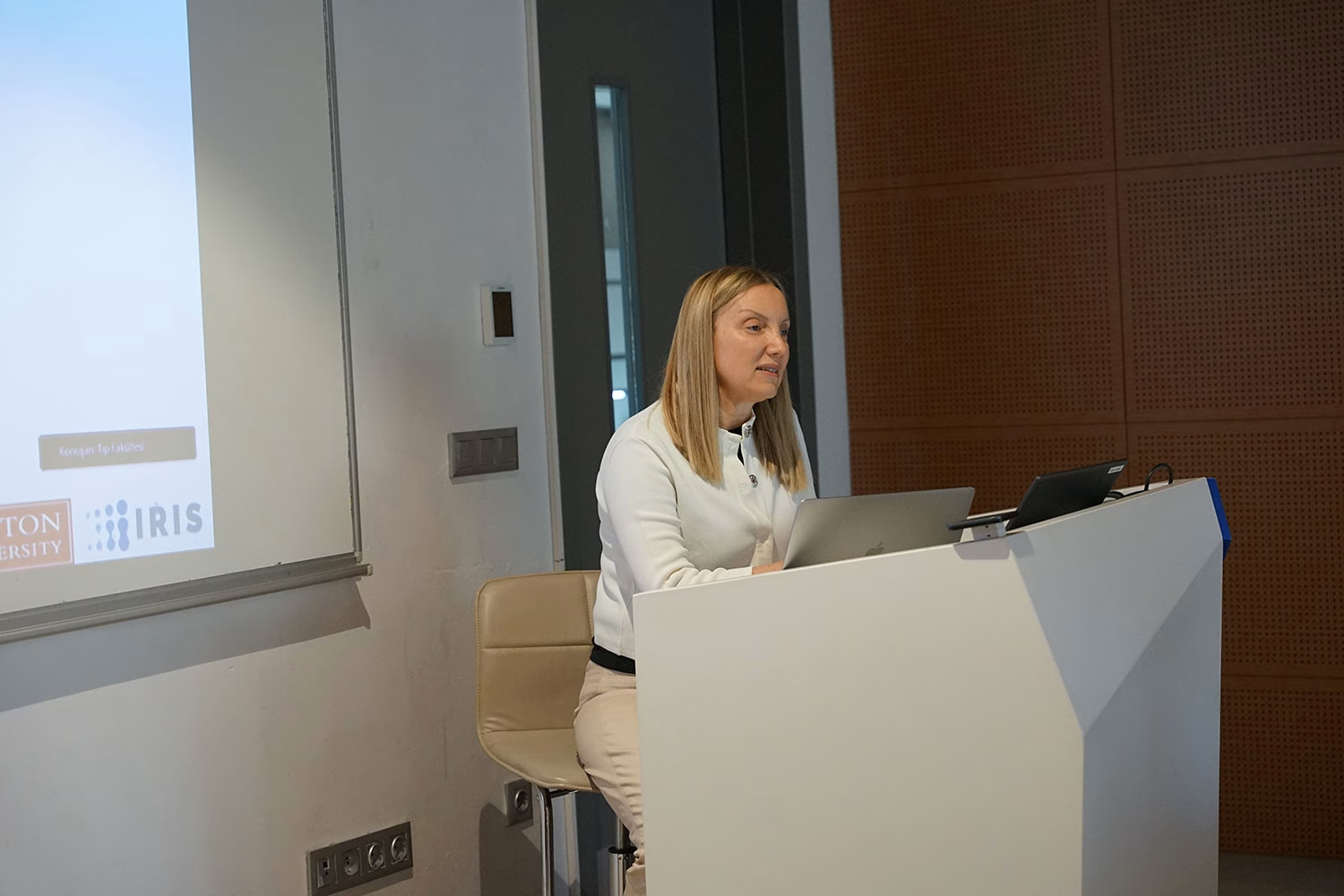
Within the scope of the program, Atlas University Global Education and Innovation Leader Prof. Dr. Neşe Lortlar Ünlü gave a presentation titled “Precision Biomarker Development for Early Metabolic Disease.” The presentation discussed current research on the development of sensitive biomarkers that can be used in the diagnosis of early metabolic diseases and the contributions these studies will make to personalized medicine applications.
Current approaches in diabetes treatment were evaluated.
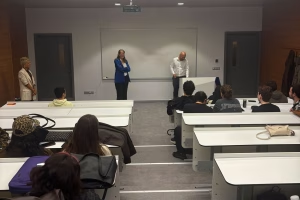
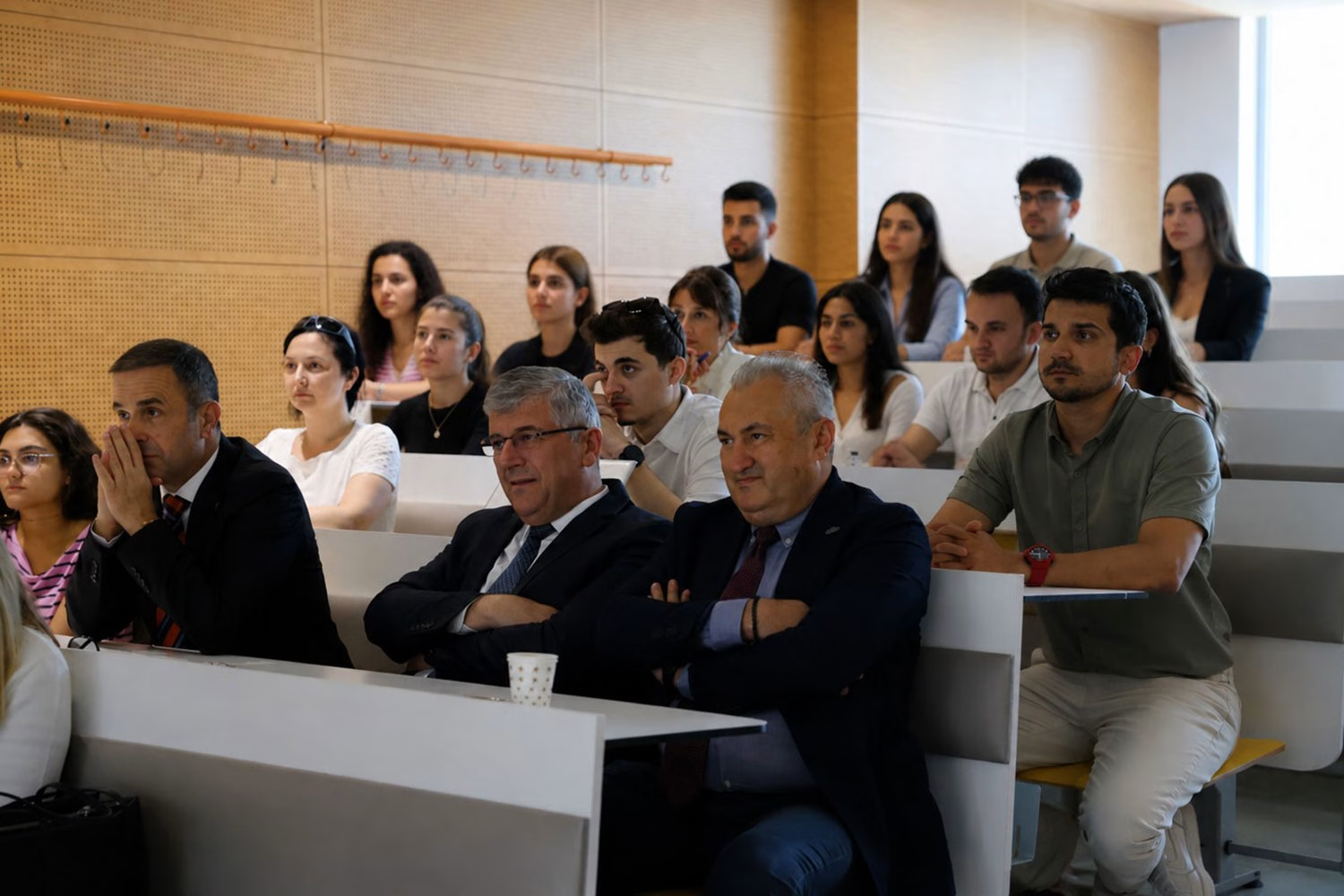
The event, which took place with national and international participation and began with a short opening speech by Prof. Dr. Zeynep Güneş Özünal, Faculty Member of Atlas University Faculty of Medicine and Director of IRIS Kinetics Laboratory, attracted great interest from academics, researchers, international interns and students.
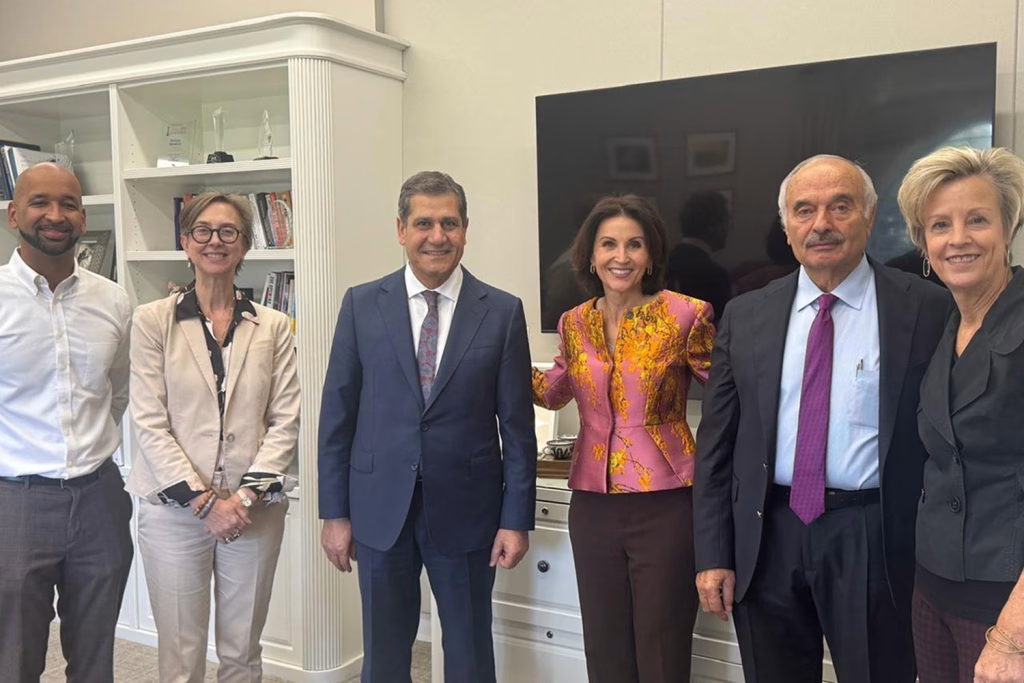
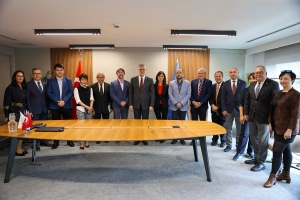
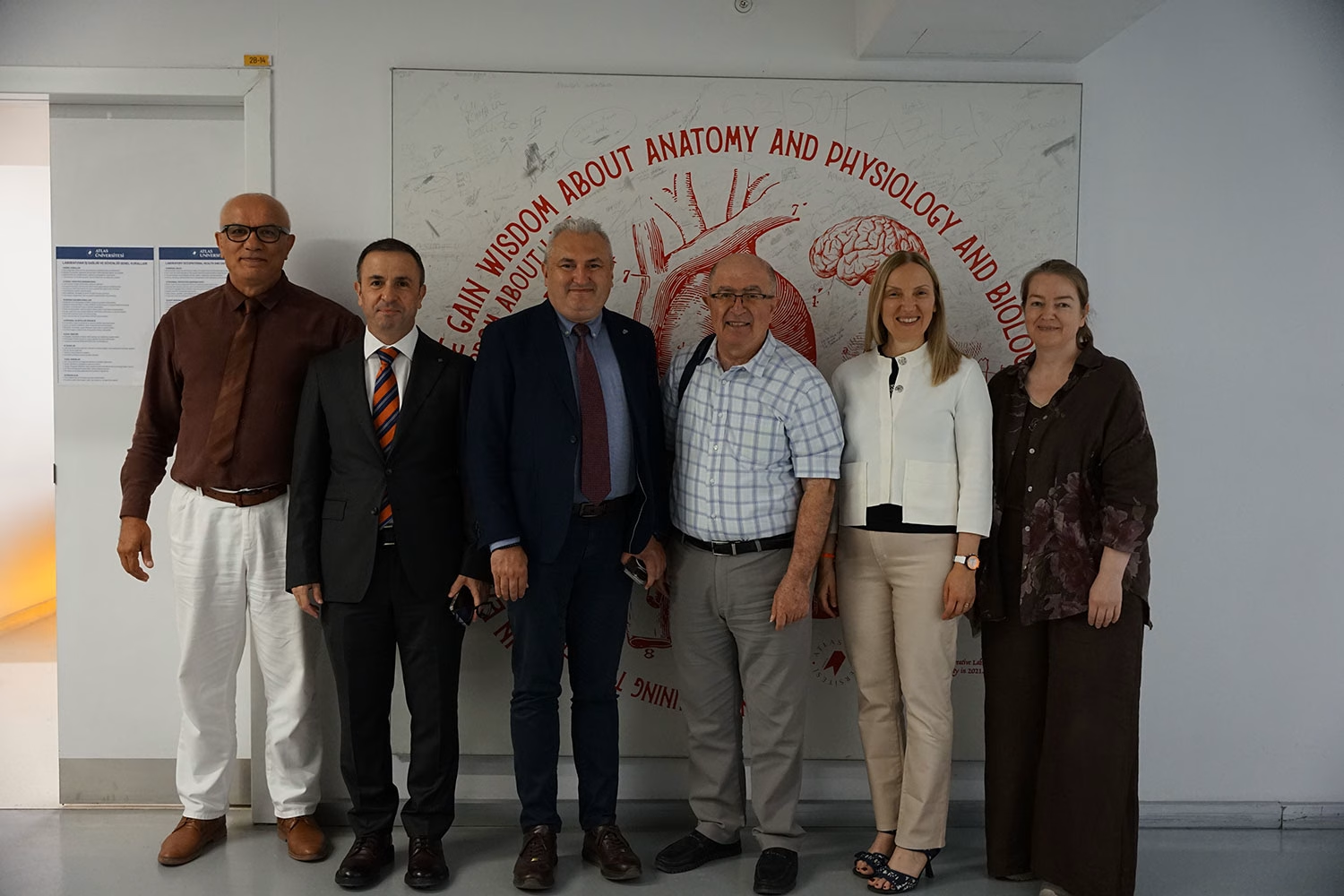
The event, which was organized with the contribution of Prof. Dr. Mustafa Kanat, Director of the DIMER Diabetes Research Center at Atlas University Hospital, was also attended by Vice Rector Prof. Dr. Ali Sınağ, Dean of the Faculty of Medicine Prof. Dr. Merih Çetinkaya, and Dean of the Faculty of Engineering and Natural Sciences Prof. Dr. Hasan Hüseyin Balık.
The hybrid event addressed approaches to developing translational research on an international scale, as well as the latest scientific developments in diabetes treatment.
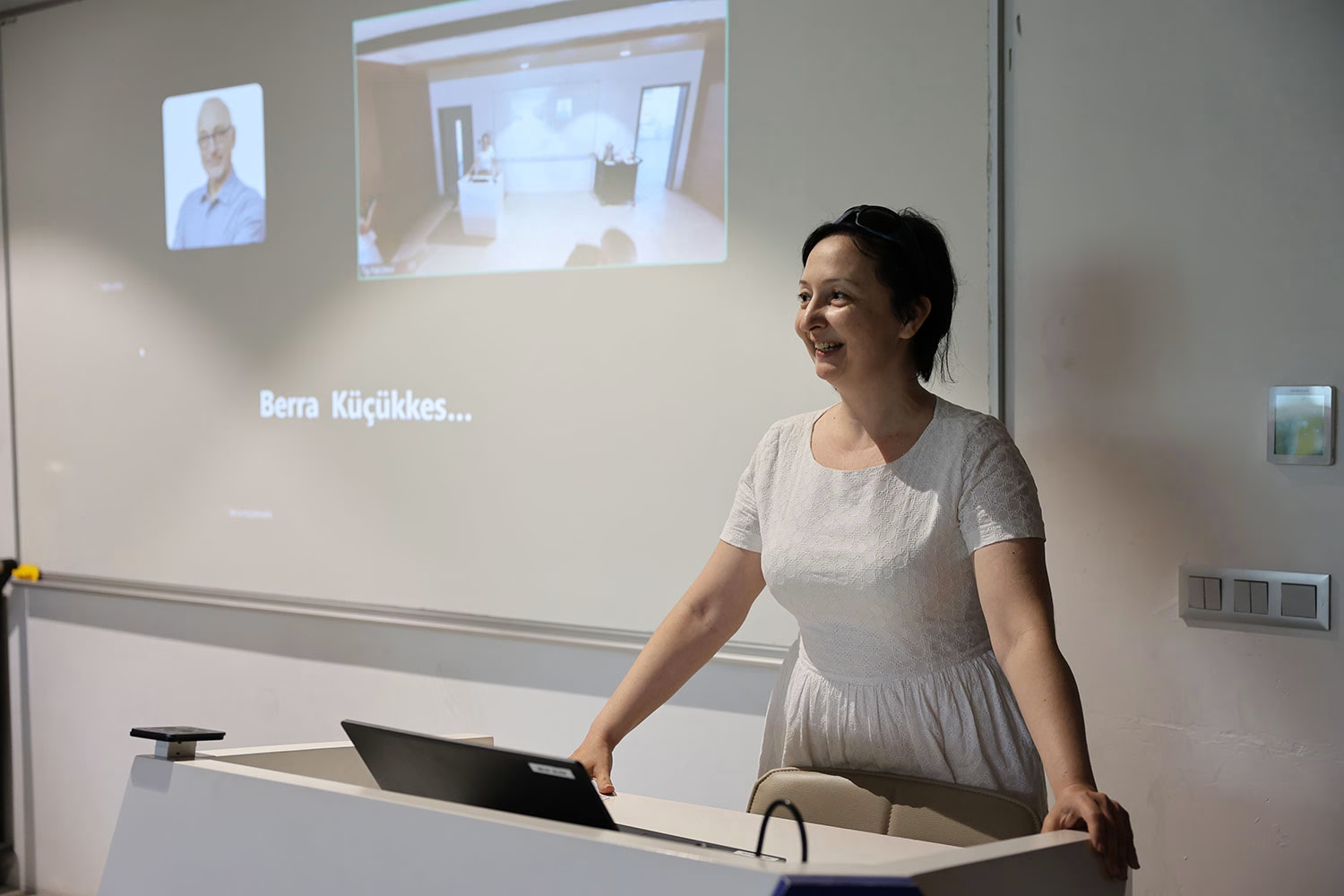
Prof. Dr. Selim Ünlü also participated online.
Atlas University Board of Trustees Member, Prof. Dr. Selim Ünlü, who conducts academic and scientific studies at Boston University in the USA, also participated in the online event, providing information on optical biosensor technologies and IRIS Kinetics and answering participants' questions.
IRIS Kinetics Laboratory Visited
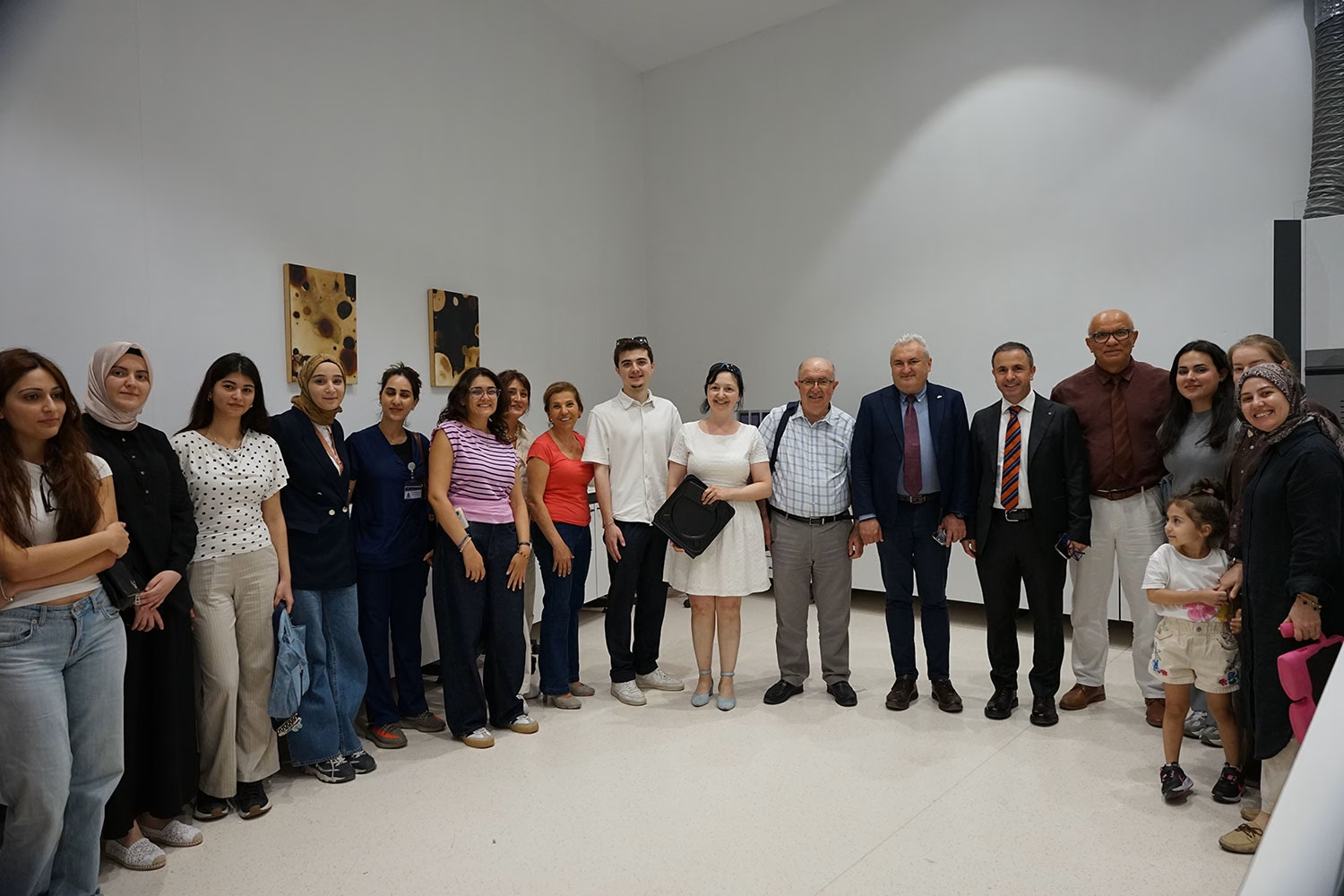
As part of the IRIS Laboratory Tour organized at the end of the event, participants visited the IRIS Kinetics Laboratory, which operates within Atlas University.
Participants received information about the laboratory's research infrastructure, advanced technology equipment, and ongoing scientific projects, and had the opportunity to closely examine the application processes of translational research. Information about pharmacogenetic studies was also provided during the visit.
The event was considered an important gathering in terms of fostering international collaborations, sharing current scientific advancements in diabetes research, and contributing to strengthening research capacity in the field of translational medicine.