







One of the most popular nutritional trends in recent years, the OMAD diet and intermittent fasting, poses serious health risks according to experts. Prof. Dr. M. Emel Alphan stated that reducing the daily eating period to less than 8 hours can increase the risk of death from cardiovascular diseases by 91 percent.
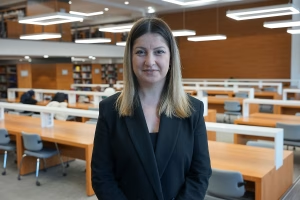
Recently, the OMAD (One Meal A Day) diet and various types of intermittent fasting have spread rapidly on social media, becoming a topic of interest for millions of people seeking weight loss. However, experts warn that these dietary models, particularly those based on prolonged fasting, can lead to serious health problems. Professor Dr. M. Emel Alphan, Head of the Department of Nutrition and Dietetics at Istanbul Atlas University Faculty of Health Sciences, stated that eating only one meal a day is not a scientifically sound method. Alphan noted that the OMAD system, where the entire daily energy requirement is consumed in just one hour, with the remaining 23 hours spent in fasting, is "one of the most extreme intermittent fasting methods."
'The OMAD diet is considered risky in medical literature.'
According to Prof. Dr. M. Emel Alphan, the OMAD diet is categorized under "time-restricted eating" in medical literature. However, while most scientific studies examine eating intervals of 4 to 12 hours, they highlight serious health risks for models where eating time is excessively shortened.
“In scientific studies, time-restricted eating is generally defined by eating periods of 4 to 12 hours. However, regardless of how it's implemented, this dietary approach should be avoided, as medical literature contains serious health warnings about methods with very short eating periods, such as OMAD. Research shows that individuals who eat less than 8 hours a day have a 91% higher risk of death from cardiovascular disease. Studies on mice have shown that prolonged fasting (18 hours or more) can raise fasting blood sugar and reduce antioxidant capacity. As fasting periods increase, adherence to the diet becomes more difficult, potentially conflicting with long-term healthy lifestyle goals. Due to its potential risks, particularly to heart health, the OMAD diet is not recommended by experts for the general population or individuals with heart disease or diabetes.”
'The risk is higher for heart patients and cancer patients'
According to experts, the risk is not limited to healthy individuals. The situation is particularly severe in people with chronic diseases. Professor Dr. Alphan stated that the risk of death doubles in individuals with existing cardiovascular disease, and this rate can increase to approximately 2,7 times in cancer patients.
“Studies have shown that individuals who keep their eating time less than 8 hours a day (like the 16:8 method) have a 91% higher risk of death from cardiovascular causes compared to those who eat 12-16 hours a day. This is even more dangerous for those with chronic diseases; in those with pre-existing heart disease, this risk of death can double (106%), and in cancer patients, it can increase up to 2,7 times.”
'Intermittent fasting isn't suitable for everyone.'
Warnings have also been issued regarding intermittent fasting, which is frequently presented to the public as a "healthy lifestyle method." Prof. Dr. Alphan stated that diabetic patients, individuals with impaired glucose tolerance, those with eating disorders, and individuals with psychiatric disorders should not use this method.
“Although intermittent fasting is a popular dietary approach, it is not suitable for everyone and may pose serious health risks for some individuals. It is emphasized that this diet should be carefully considered, especially in certain disease groups and individuals with specific lifestyles. A cohort study published in 2024, involving 20 people from 2003 to 2018, found that individuals who kept their daily eating time less than 8 hours (such as the 16:8 method) had a 91% higher risk of death from cardiovascular disease.”
'The perception that popular diets are healthy is wrong.'
Alphan stated that nutrition trends spread rapidly due to the influence of social media, and that scientifically sound dietary models are being ignored. She pointed out that the Mediterranean diet, the DASH diet, and semi-vegetarian diets, which are considered among the healthiest dietary models by health authorities worldwide, are much more reliable than intermittent fasting methods.
“While there are diets like the Mediterranean diet, the DASH diet, and the semi-vegetarian diet, which are recognized by all authorities as the healthiest diets in the world, and while intermittent fasting diets have no proven superiority over these diets, there is no need to implement them due to their health risks and unsustainability. A healthy lifestyle is possible through healthy eating that people can maintain throughout their lives, preventing diseases such as obesity, cardiovascular disease, and cancer. There is no point in turning to these kinds of popular diets when we have healthy diets available.”