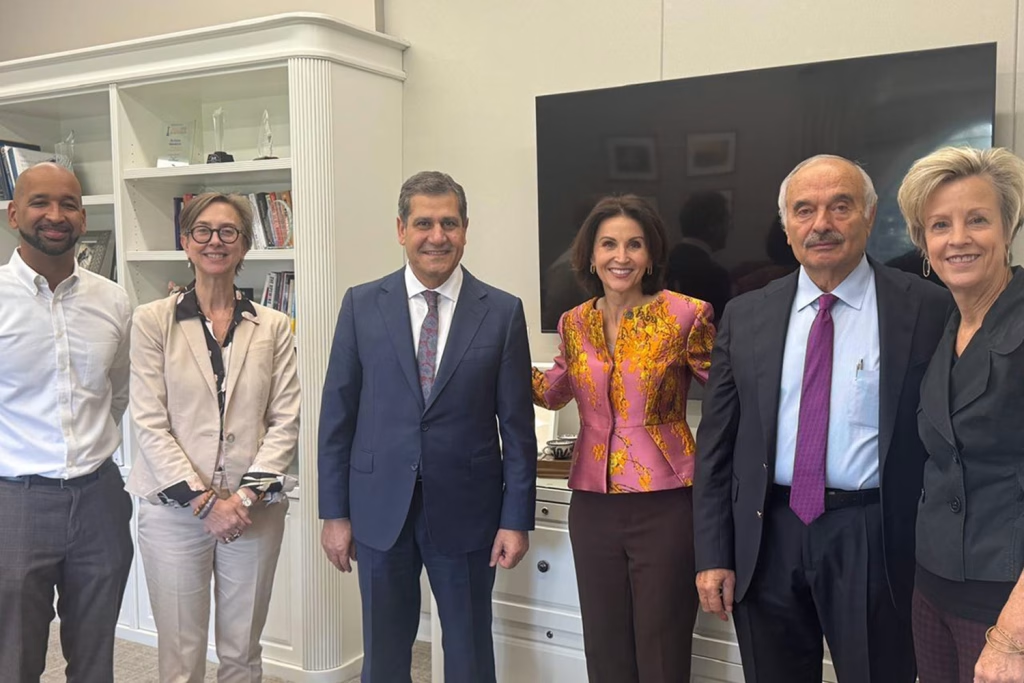








The workshop, held on Monday, June 29, 2026, with the participation of the Deputy Minister of Industry and Technology of the Republic of Turkey, Muhammet Kasım Gönüllü, and the President of KOSGEB (Small and Medium Enterprises Development Organization), A. Serdar İbrahimcioğlu, addressed issues such as the problems faced by SMEs in their twin transformation processes, increasing the effectiveness of R&D support, designing new incentive models, and strengthening the transformation ecosystem. The workshop, attended by representatives from public institutions, the private sector, financial institutions, universities, professional organizations, civil society organizations, and experts working in the digital/green transformation ecosystem, provided an important platform for the exchange of views among different stakeholders. Dr. Ceylan Merve Binici, a faculty member from the Department of Business Administration, contributed to the discussions in the sessions titled “Design of R&D Reform and Incentive Architecture” and “Implementation, Capacity, and Ecosystem Structuring.”
In the workshop's session titled "Design of R&D Reform and Incentive Architecture," Dr. Binici emphasized that the problems faced by SMEs in digital and green transformation processes cannot be solved solely with financial support. He stressed the need for incentive mechanisms to be transformed into a holistic structure that guides businesses through the transformation process and monitors their development. In this context, Dr. Binici proposed a three-stage incentive model for SME support. The first stage would involve businesses conducting current situation analyses, risk and SWOT analyses, creating transformation roadmaps, and receiving consultancy support; the second stage would support applications aimed at developing digital infrastructure, technology investments, and employee competencies; and the third stage would involve evaluating the investments made based on measurable performance indicators such as digital maturity level, productivity increase, and energy consumption. Dr. Binici also stated that creating a pool of consultants whose performance is monitored would increase the effectiveness of support processes, ensuring that SMEs are matched with the right experts. In addition, he shared his suggestions for strengthening tax advantages, financing facilities, and government support through complementary mechanisms.
The second session, titled “Implementation, Capacity, and Ecosystem Structuring,” addressed the human resources, institutional capacity, and collaboration models needed in the twin transformation processes. Dr. Binici stated that developing employee competencies is critically important for the sustainability of digital and green transformation, and that training processes should not be left to the individual initiative of businesses. In this regard, Dr. Binici suggested the creation of training programs that include applied, certified, and on-the-job learning models, either under the leadership of KOSGEB or in cooperation with the continuing education centers of universities. He emphasized that collaborations between universities, technoparks, technology centers, and SMEs should become a significant element of the incentive system. He also highlighted the importance of establishing standard key performance indicators (KPIs) for digital and green transformation to more effectively monitor the transformation processes of SMEs. He stated that tracking the development of businesses through these indicators and making the impact of support measurable would make significant contributions to sustainable transformation.
The assessments conducted within the scope of the workshop made significant contributions to structuring the support mechanisms that SMEs need in their digital and green transformation processes in a more effective, measurable and sustainable way.