




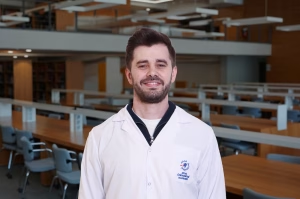




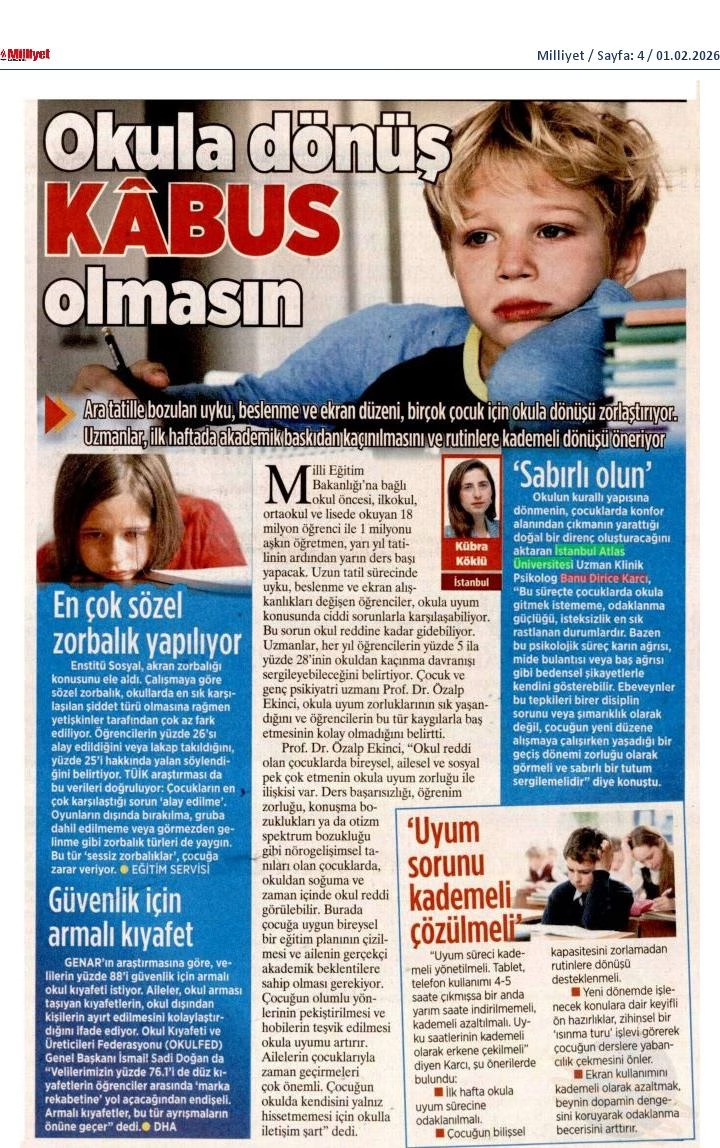
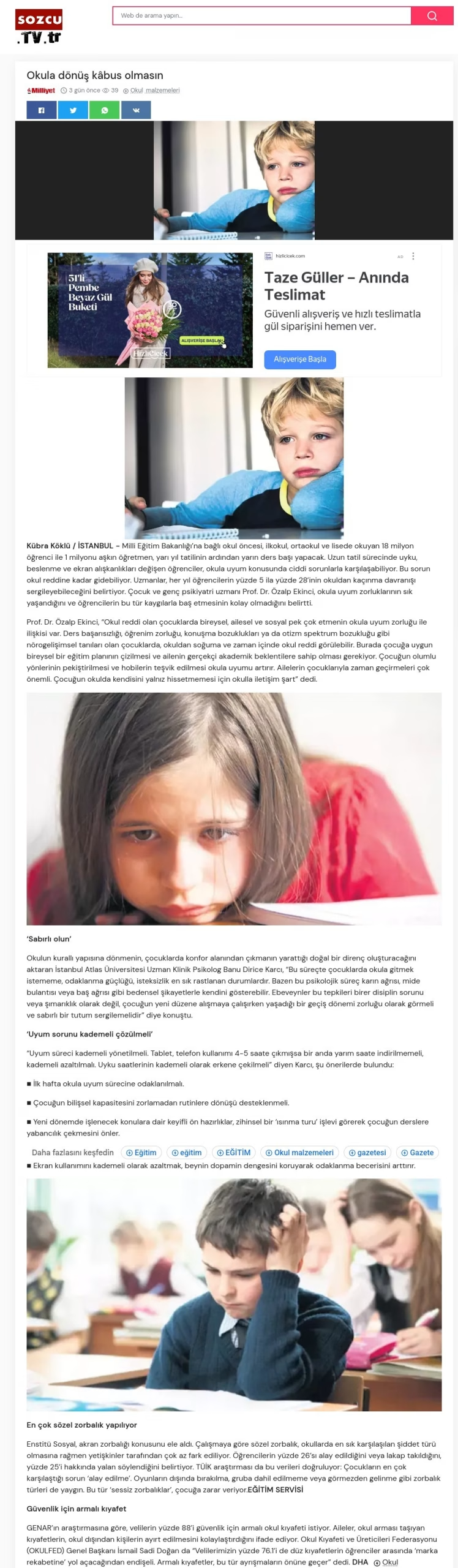
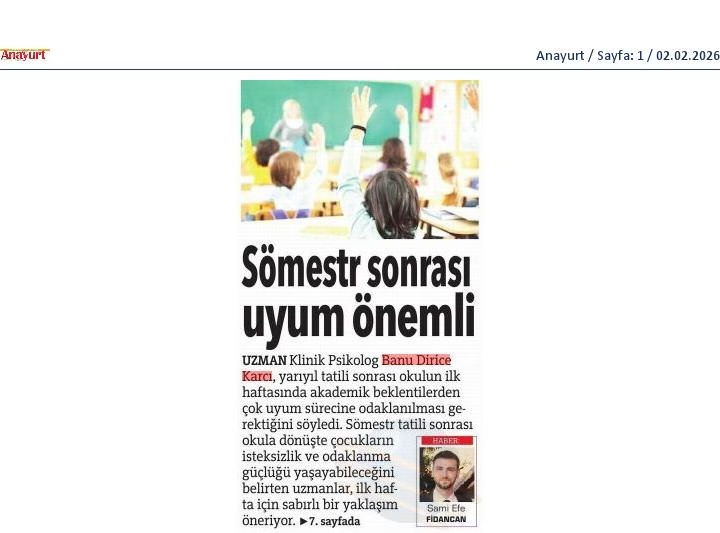
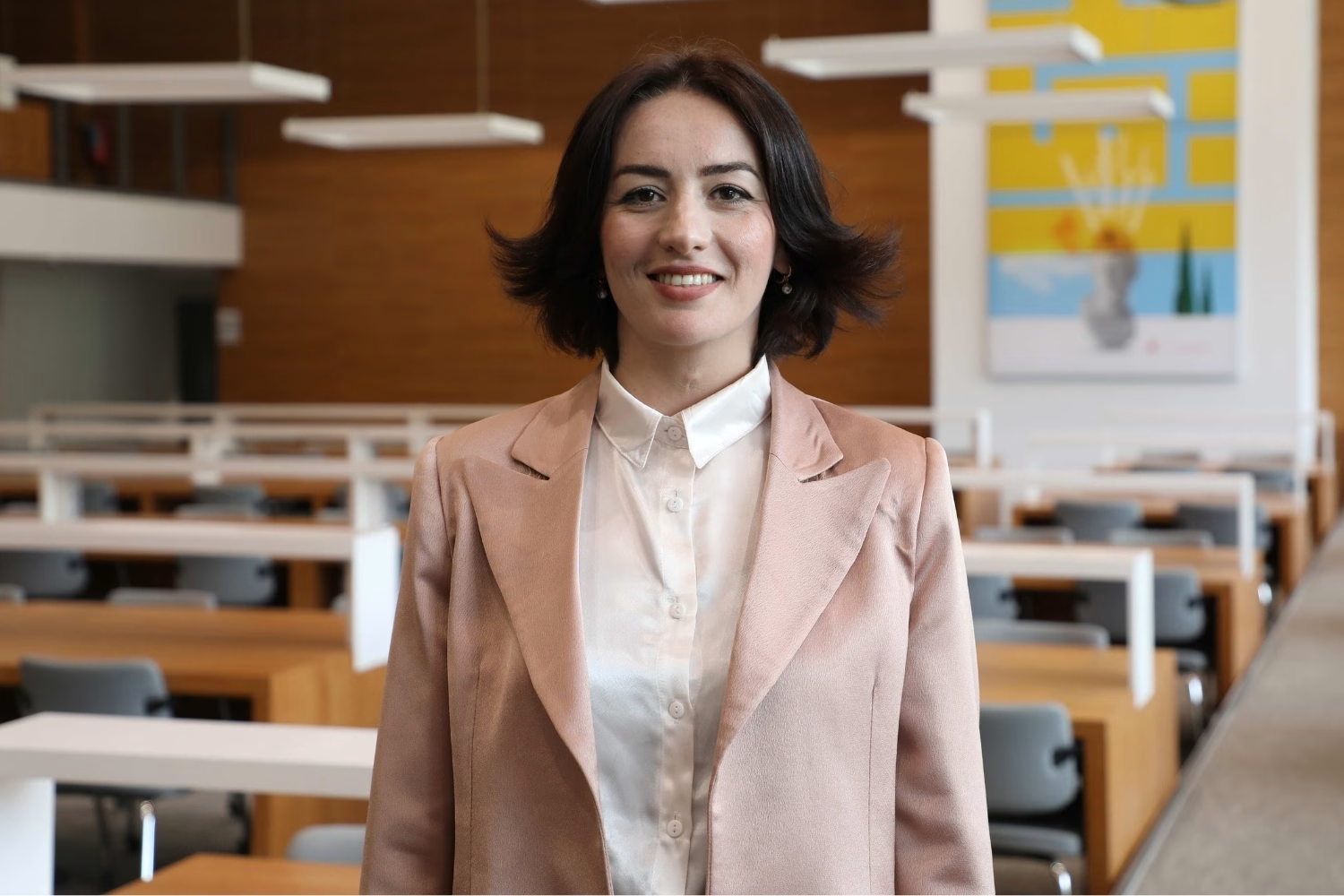
Banu Dirice Karcı, a Specialist Clinical Psychologist from Istanbul Atlas University, provided an assessment of the school adjustment process following the end of the two-week semester break.
Transition period difficulties may be experienced.
Banu Dirice Karcı stated that returning to the structured school environment after a two-week break can create natural resistance in children due to stepping outside their comfort zone. She advised, “During this period, the most common symptoms in children are 'unwillingness to go to school,' 'difficulty concentrating,' or 'extreme reluctance' in the mornings. Sometimes, this psychological process can manifest as physical complaints (psychosomatic symptoms) such as stomach aches, nausea, or headaches. Parents should view these reactions not as disciplinary problems or spoiled behavior, but as a 'transitional difficulty' experienced by the child as they try to adjust to the new routine, and should adopt a patient approach.”
Bedtime should be moved earlier.
Banu Dirice Karcı, emphasizing the importance of establishing a sleep routine during the school adjustment process, stated, “A sleep routine is not only a period of physical rest, but also the most fundamental element determining a child's capacity to cope with the emotional stress they encounter during the day. The restlessness and reactivity observed in a child who has not slept well after a holiday are actually a defense mechanism of the tired nervous system. At this point, gradually shifting the bedtime earlier and having sincere, calm conversations with the child before bedtime to review the day will ensure that their mind feels safe and ready for the new day.”
The first week should focus on the adaptation process.
Banu Dirice Karcı emphasized that, in order to facilitate adaptation to school, the focus should be on the adjustment process rather than academic performance in the first week. She stated, “In the first week, the child's return to routines should be supported without straining their cognitive capacity. In addition, small and enjoyable preparations for the topics to be covered in the new term will serve as a mental 'warm-up' rather than an academic pressure, preventing the child from feeling alienated from the lessons.”
Technology and screen use should be limited and controlled.
Banu Dirice Karcı noted that, in general, technology and screen use should be limited and controlled, adding, “Gradually reducing technology and screen use during this process protects the brain's dopamine balance and increases the ability to focus. In particular, limiting screen use in the evenings and reducing indoor stimuli reduces anxiety levels in the brain, allowing the child to perceive the responsibilities of the next day not as threats, but as manageable tasks.”
Mental preparation should be done 48 hours in advance.
Clinical Psychologist Banu Dirice Karcı, also mentioning what can be done at home a few days before school starts, said, “The 48 hours before the school bell rings is a crucial phase where mental preparation should be concretized. Switching to a breakfast and mealtime routine similar to school hours at home initiates biological preparation. Preparations such as organizing the school bag together or choosing a small personal accessory to be used with school clothes (such as a favorite bag charm, hair clip, or watch) are important signals that enable the brain to switch to 'preparation' mode.”
One shouldn't complain about the hectic pace.
Expert Clinical Psychologist Banu Dirice Karcı, stating that parents should not let their anxieties show to their children, concluded her remarks as follows:
“The most critical point at this stage is that parents should not express their own anxieties and complaints in front of the child. Adults complaining about the intense pace of school can cause the child to perceive school as a ‘burden.’ Furthermore, instead of using suppressive language like ‘don’t be sad that the holidays are over,’ the child should be allowed to express their feelings, and then a positive focus should be created, such as reminding them of a friend they miss or an activity they enjoy at school. It should be remembered that an honest communication style that emphasizes the social gains, new discoveries, and sense of individual achievement offered by school, rather than the fact that the holidays are over, will strengthen the student’s psychological resilience and transform the process from a crisis into an opportunity for growth.”