

The Peer Mentoring Program, implemented by the Faculty of Health Sciences at Atlas University, aims to enable students to learn from each other and share their experiences in both academic and social life.
Within the scope of the Nursing Department Peer Mentoring Program, 34 students were accepted into the program during the application and evaluation process that took place between September 2nd and 11th. On September 15th, an event was held to introduce the peer mentors and the Peer Mentoring Program. Between September 16th and 17th, the “Peer Mentor Training Program: Basic Skills Development” program, planned by the Nursing Department for peer mentors, was completed. On September 22nd, an orientation program was held for the students newly enrolled in the Nursing Department, designated as peer mentors. The Peer Mentoring Program was introduced during this program.
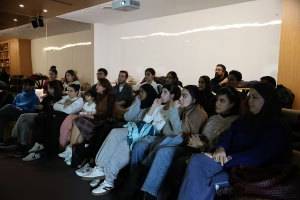
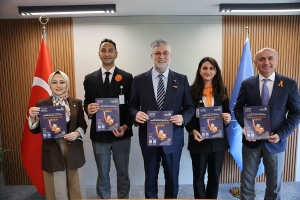
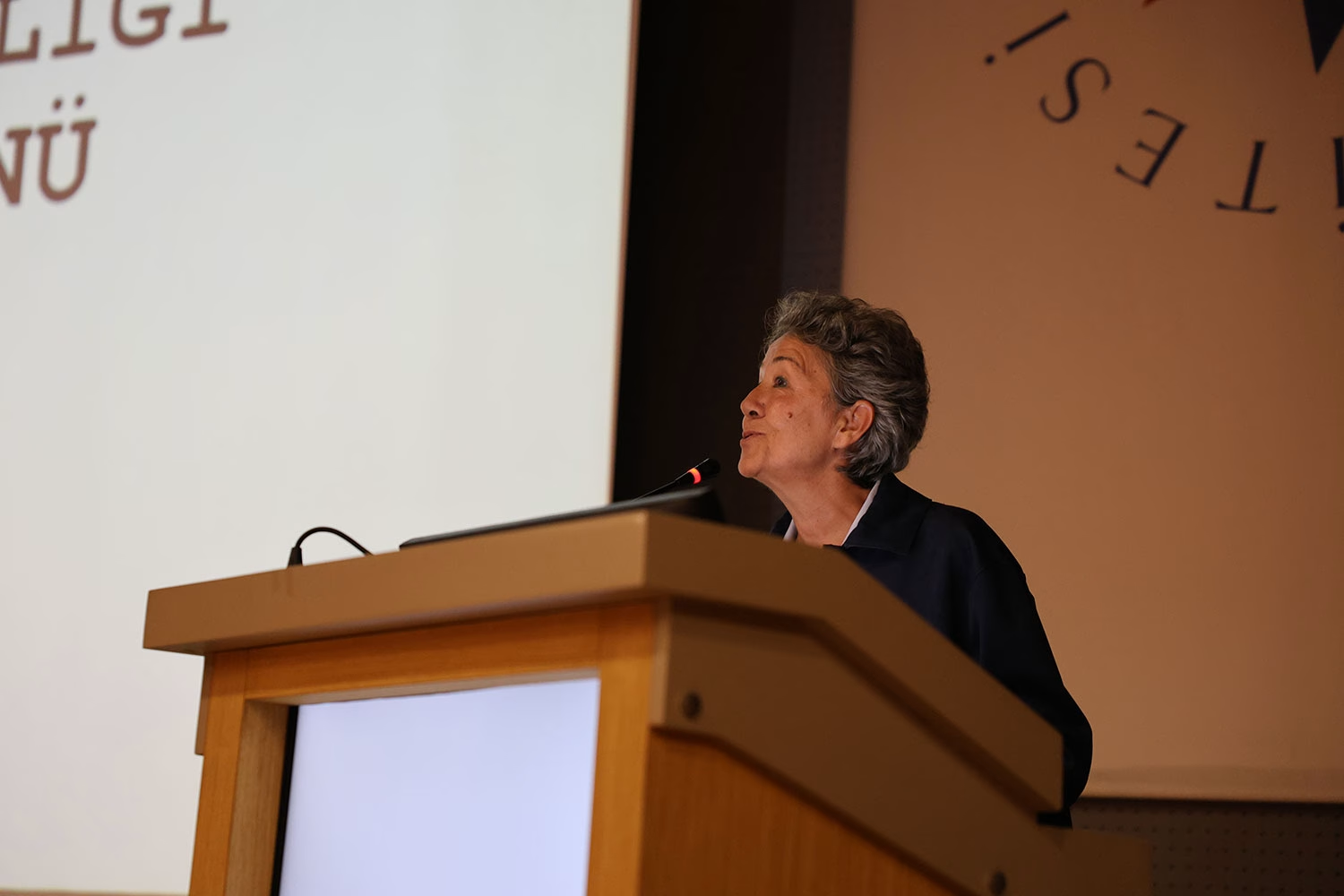
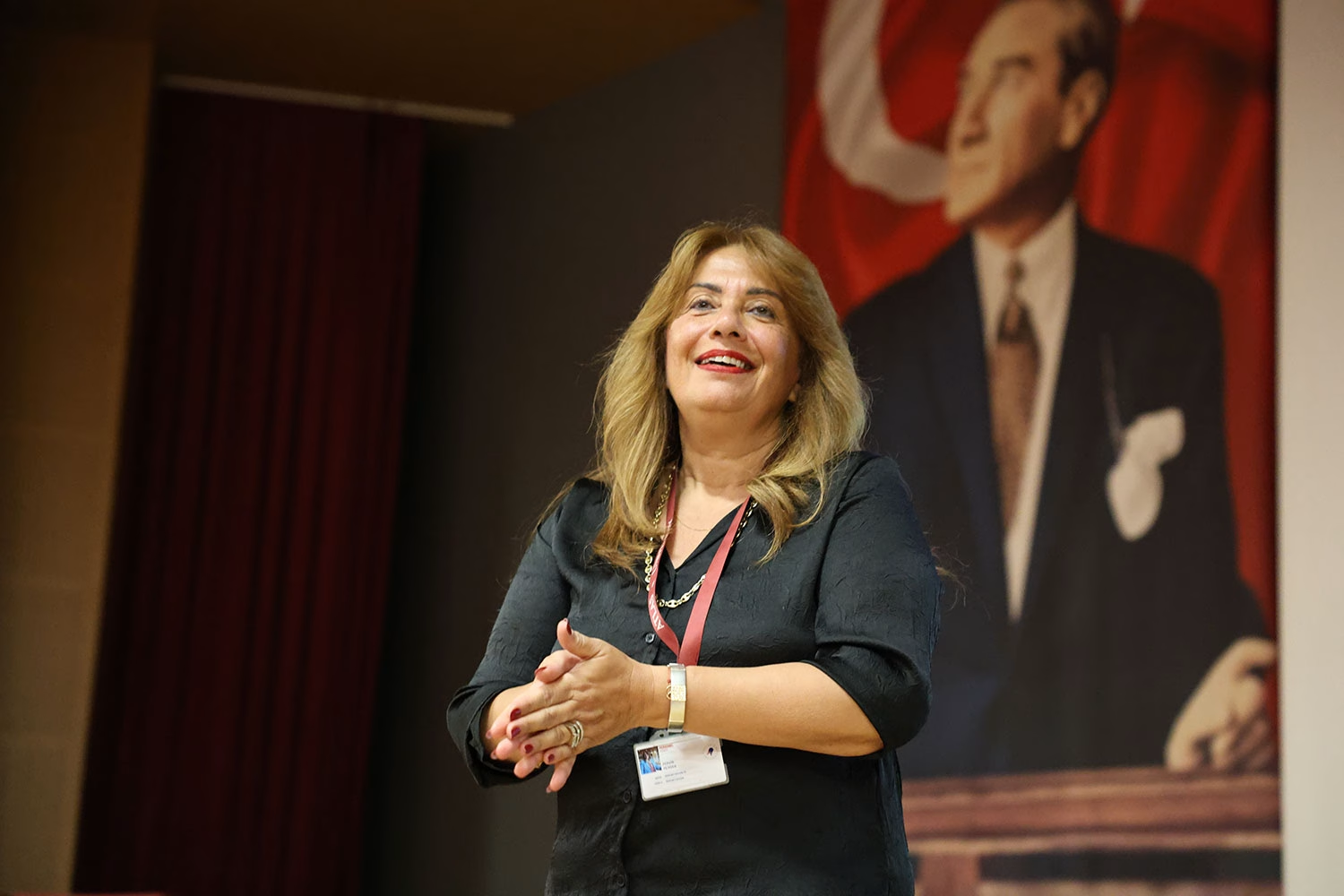
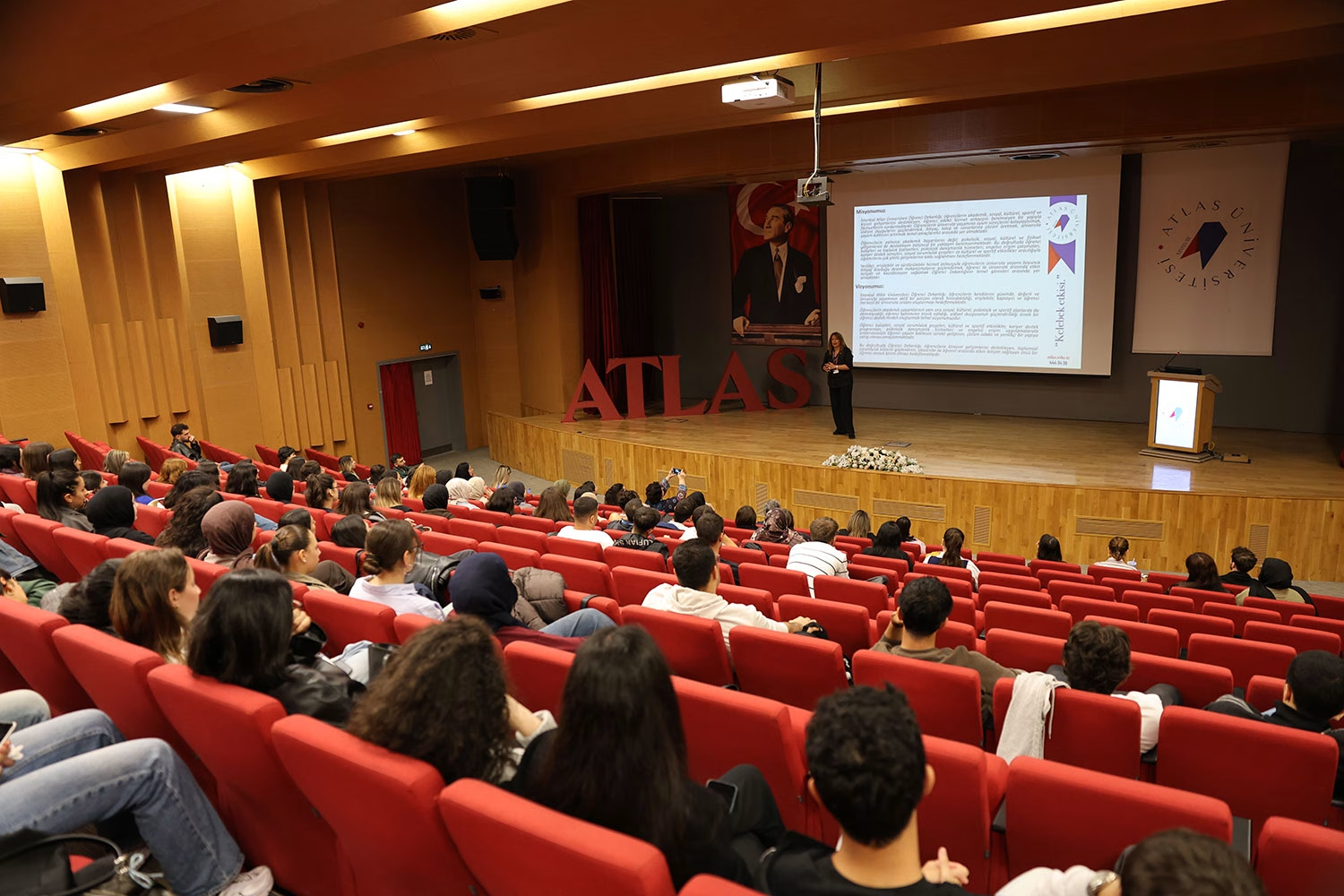
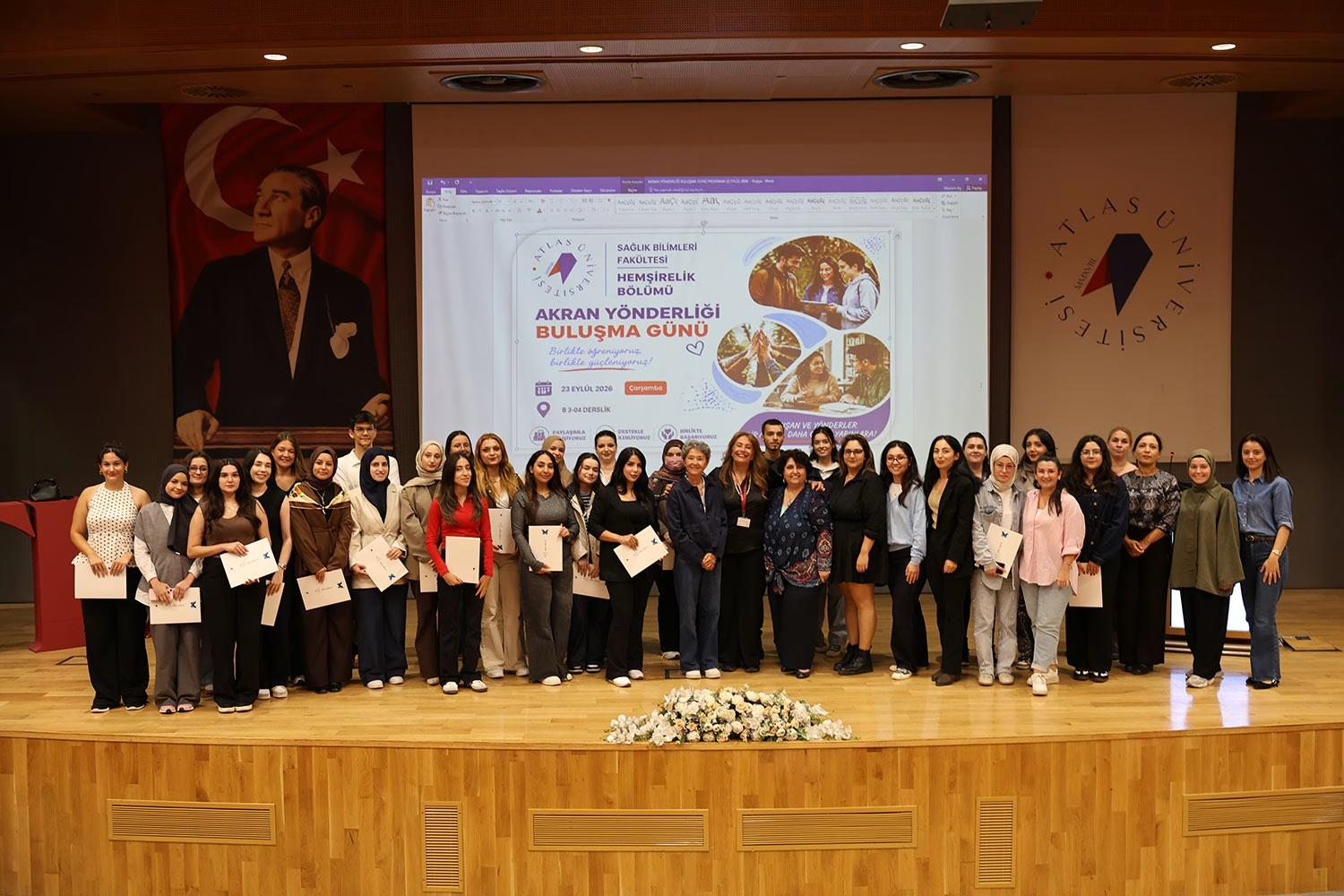
At the Peer Mentoring Meeting Day event held in the Dr. Ralph DeFronzo Auditorium on the Valley Campus, 34 students studying in the Nursing department who received “peer mentor” training were given certificates of participation.
The event, which began with an opening speech by the Head of the Nursing Department, Prof. Dr. İkbal Çavdar, continued with speeches by the Dean of Students, Pervin Merdan, and the Head of the Peer Mentoring Commission of the Nursing Department, Dr. Leman Kutlu. After the event, certificates were given to the students who participated in the Peer Mentoring trainings.
Guidance is provided to students newly enrolled in the faculty.
As part of the program, senior students will mentor newly enrolled students based on their experiences, helping them adapt more easily to university life, classes, and clinical practice.
Peer mentoring is not only about the transfer of information; it is also based on solidarity, communication, a sense of belonging, and collaborative learning.
The aim is to ensure a safe and easy adaptation to faculty life.
The Peer Mentoring Program aims to help first and second-year students adapt to faculty life more safely and easily.
The program also offers third and fourth-grade students an experiential space where they can develop leadership, communication, and mentoring skills.
The main objectives of the program are:
- To support students in adapting to the faculty and university life,
- To strengthen communication and solidarity among students,
- Increasing peer support in academic and social processes,
- To strengthen students' sense of belonging,
- To improve the leadership and communication skills of upperclassmen,
- To create a learning culture based on sharing and collaboration.
How will the program work?
The Peer Mentoring Program will allow students to communicate regularly throughout the academic year and support each other when needed.
Within the scope of the program;
- Regular student meetings,
- Orientation and faculty integration support,
- Sharing experiences regarding course processes,
- Peer mentoring on clinical practices,
- Sharing experiences and study tips during exam periods,
- Support, such as individual guidance, will be offered where needed.
The program's fundamental approach is to create a learning environment that is supportive rather than controlling, and collaborative rather than hierarchical.