

Healthy aging is not just about meeting bodily needs.
Humans are not only biological beings but also social beings. While nutrition, shelter, access to healthcare, daily care, and security are among the basic needs for the quality of life of older individuals, healthy aging requires a more holistic approach that goes beyond meeting these needs.
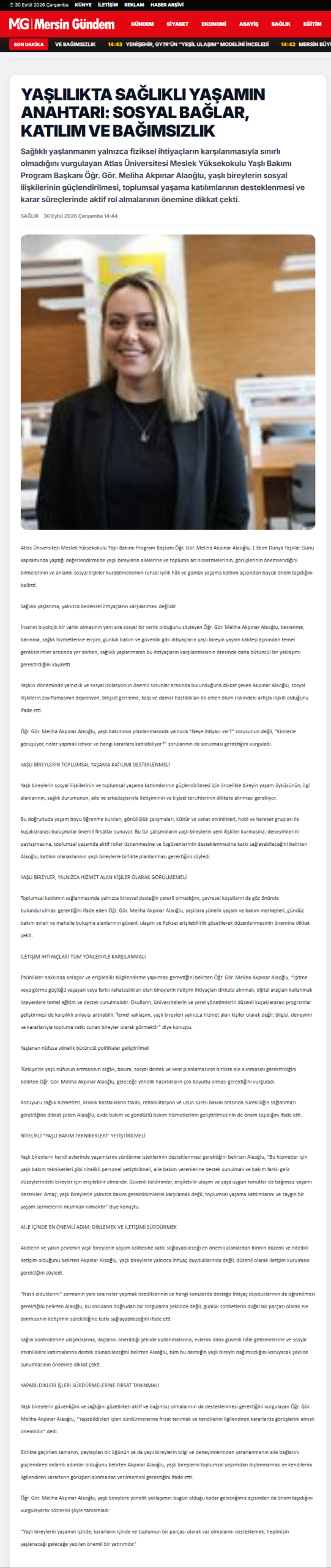
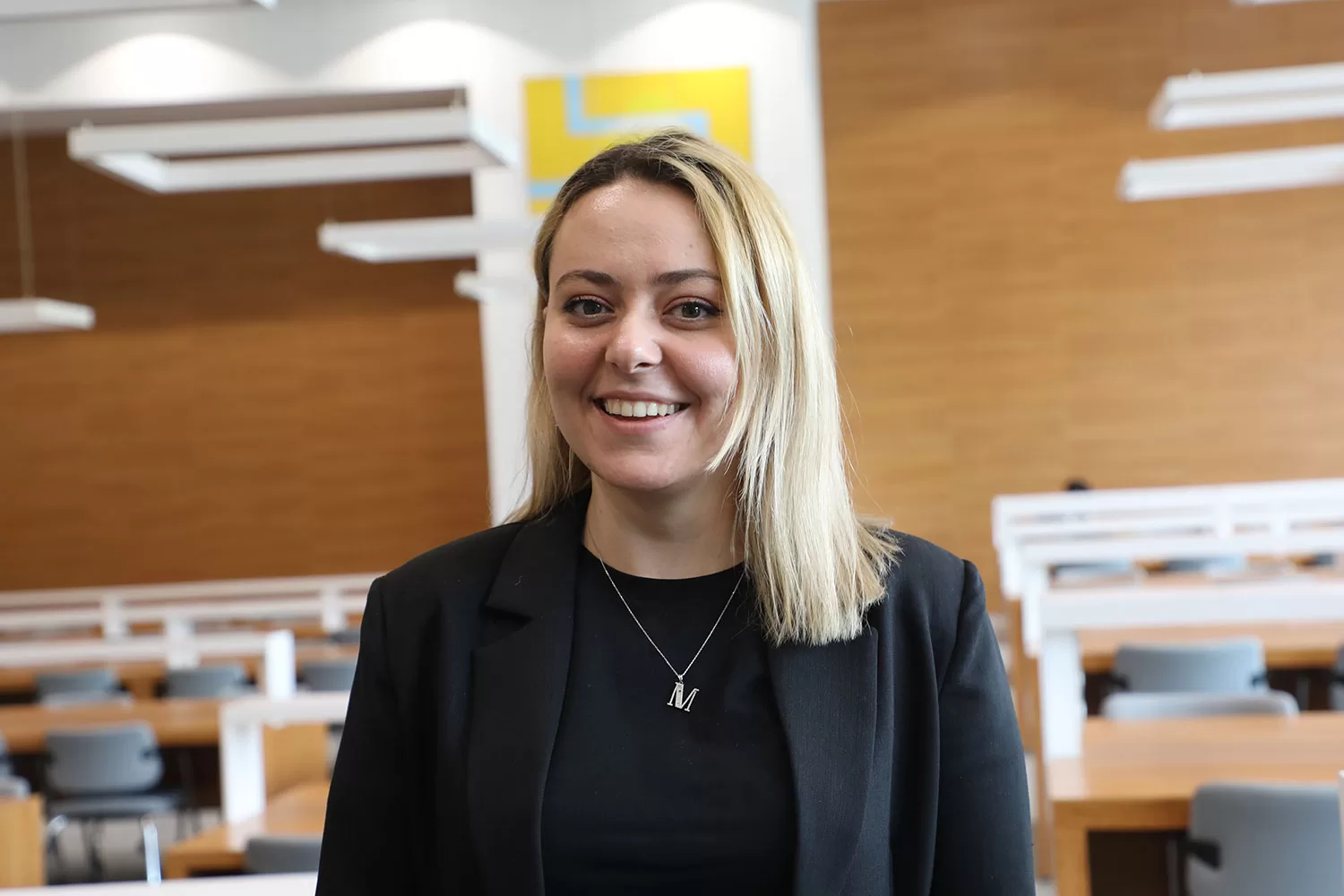
Meliha Akpınar Alaoğlu, Lecturer and Head of the Elderly Care Program at Atlas University Vocational School, stated that elderly individuals feeling a sense of belonging to their families and society, knowing that their opinions are valued, and being able to establish meaningful social relationships are of great importance for their mental well-being and participation in daily life.
Loneliness and social isolation are among the most significant problems.
Lecturer Meliha Akpınar Alaoğlu's assessments are as follows:
“Loneliness and social isolation are significant problems in old age. Weakened social relationships are associated with depression, cognitive decline, cardiovascular diseases, and an increased risk of premature death.”
When planning elderly care, it is crucial to ask not only "What do they need?" but also "Who do they interact with, what do they want to do, and what decisions can they participate in?"
The participation of older individuals in social life should be supported.
Strengthening the social relationships and participation of older individuals in community life requires considering their life history, interests, health status, communication with family and friends, and personal preferences.
In this regard, lifelong learning courses, volunteer work, cultural and artistic events, hobby and activity groups, and intergenerational gatherings offer significant opportunities. Such activities can contribute to older individuals forming new relationships, sharing their experiences, taking active roles in social life, and boosting their self-confidence. However, participation opportunities need to be planned in collaboration with older individuals.”
We should not view elderly individuals solely as recipients of services.
Alaoğlu stated that individual support alone is not sufficient to ensure social participation, and that environmental conditions must also be taken into consideration. She emphasized the importance of organizing life and care centers for the elderly, day care centers, and neighborhood meeting areas while ensuring safe transportation and physical accessibility.
“Clear and accessible information about the events is necessary. It is also important to consider the communication needs of individuals with hearing or vision impairments and other health problems. Providing basic training and support to older individuals who wish to use digital tools will also strengthen social interaction.”
Schools, universities, and local governments developing regular intergenerational programs can increase mutual understanding. We should view older individuals not merely as service recipients, but as individuals who contribute to society with their knowledge, experience, and decisions.”
Holistic policies should be developed for the aging population.
Alaoğlu stated that the increasing elderly population in Türkiye necessitates a comprehensive approach to health, care, social support, and urban planning, emphasizing that preparations for the future must be multifaceted.
“The increase in the elderly population in Türkiye necessitates a holistic approach to health, care, social support, and urban planning. Continuity must be ensured between preventive health services, monitoring of chronic diseases, rehabilitation, and long-term care; services such as home care and day care should be developed to support individuals who wish to live in their own homes without being deprived of access to these services.”
Qualified "Germinal Care Technicians" should be trained.
These services require the training of qualified personnel such as geriatric care technicians, support for family caregivers, and accessibility of care for individuals from different income levels. Safe sidewalks, accessible transportation, and age-appropriate housing also support independent living. The goal is not only to meet the care needs of older individuals but also to enable their participation in community life and to live a dignified life.”
The most important step within a family: Listening and maintaining communication.
Lecturer Meliha Akpınar Alaoğlu stated that one of the most important ways families and close circles can contribute to the quality of life of elderly individuals is through regular and quality communication, adding that communication with elderly individuals should be established regularly, not just when they need it.
“The first step is to communicate regularly, not just when they need help, and to listen to them genuinely and carefully. Besides asking how they are, we need to find out what they want to do and what kind of support they need.”
Perhaps, instead of directly asking these questions, we should learn the answers through a pleasant conversation. This will also help us maintain continuity of communication. We can help them access health checkups, take their medication as prescribed, make their homes safe, and participate in social activities. We should also support them in becoming active and independent while considering their health and safety.
While doing this, it's important to give them the opportunity to continue doing the things they are capable of and to include their opinions in decisions that affect them. Spending time together, sharing a meal, or consulting their knowledge and experience are meaningful steps that strengthen family bonds and make them feel valued.
Excluding elderly individuals from social life and making decisions concerning them without consulting them negatively impacts not only the present but also the future when we will all grow old.
Dr. Meliha Akpınar Alaoğlu, Assistant Professor, emphasized that the approach towards elderly individuals is important not only for today but also for our future, and concluded her remarks as follows:
“Supporting older individuals to remain active participants in life, decision-making, and as part of society is a vital investment in the future, where we will all grow old.”