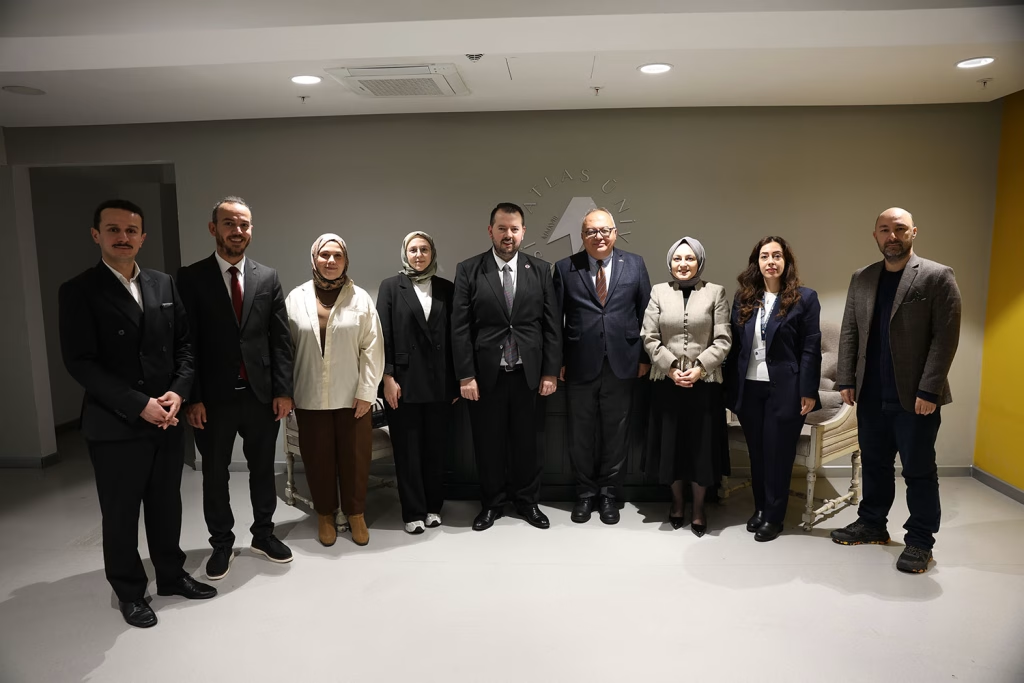

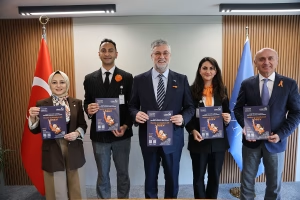

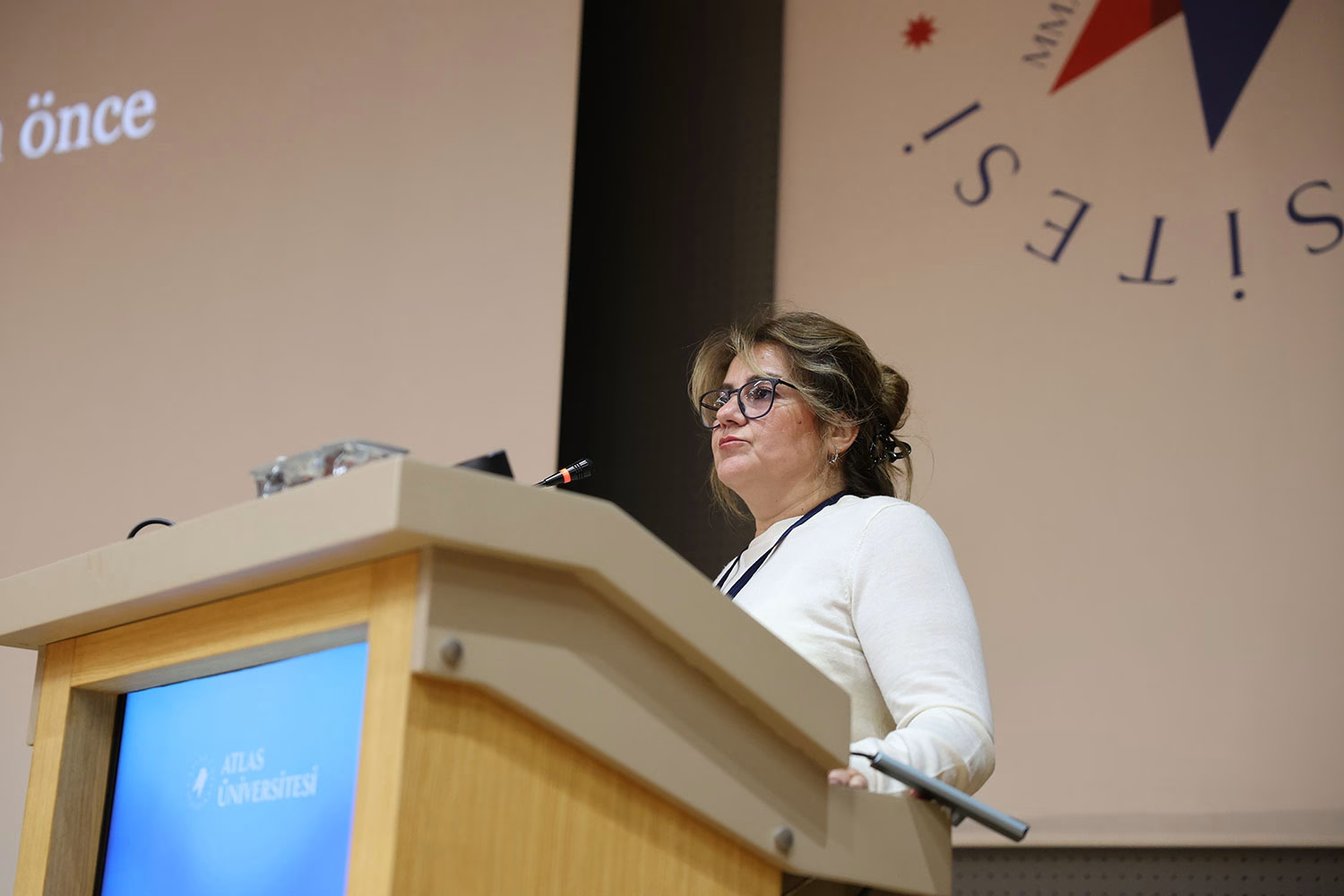
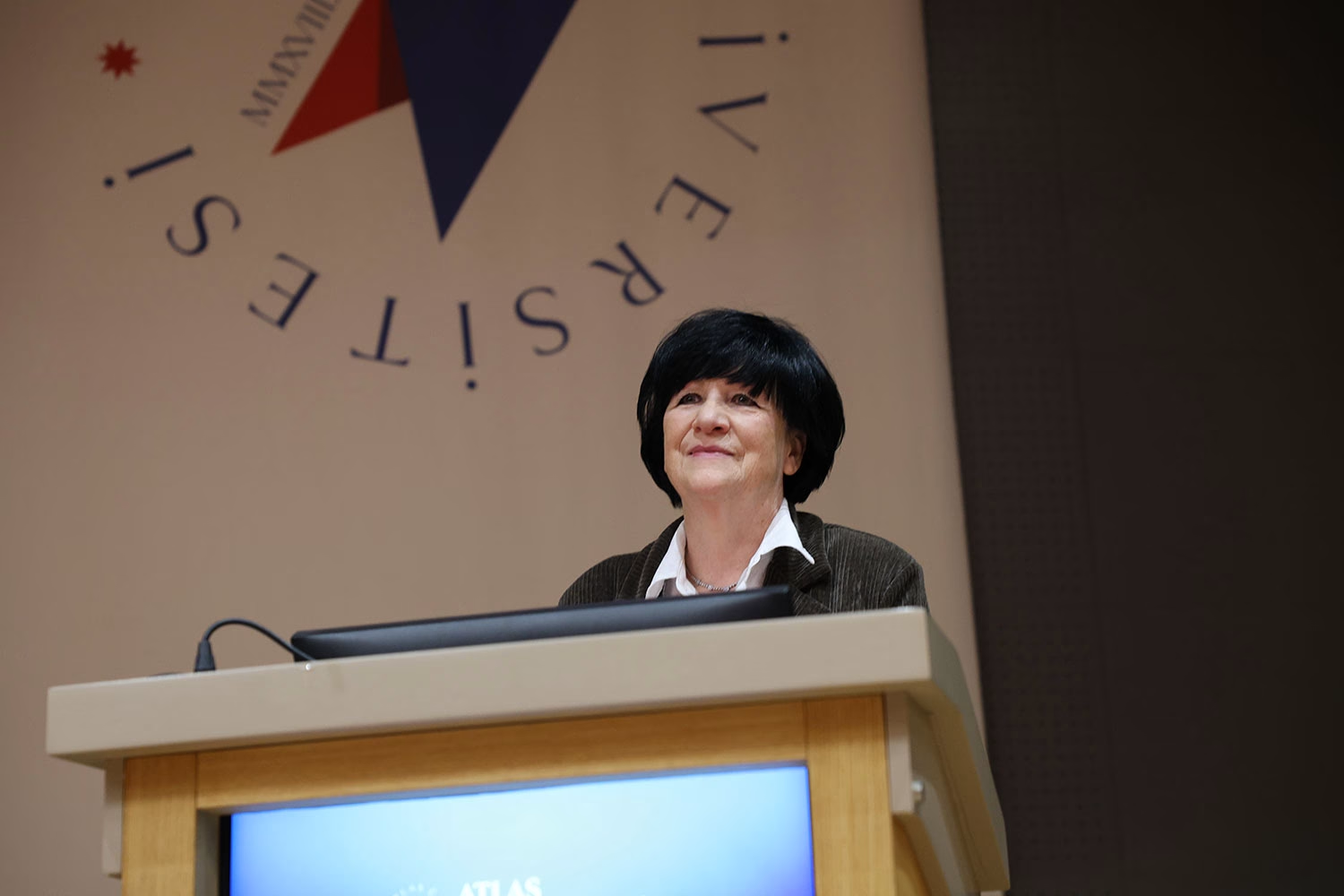
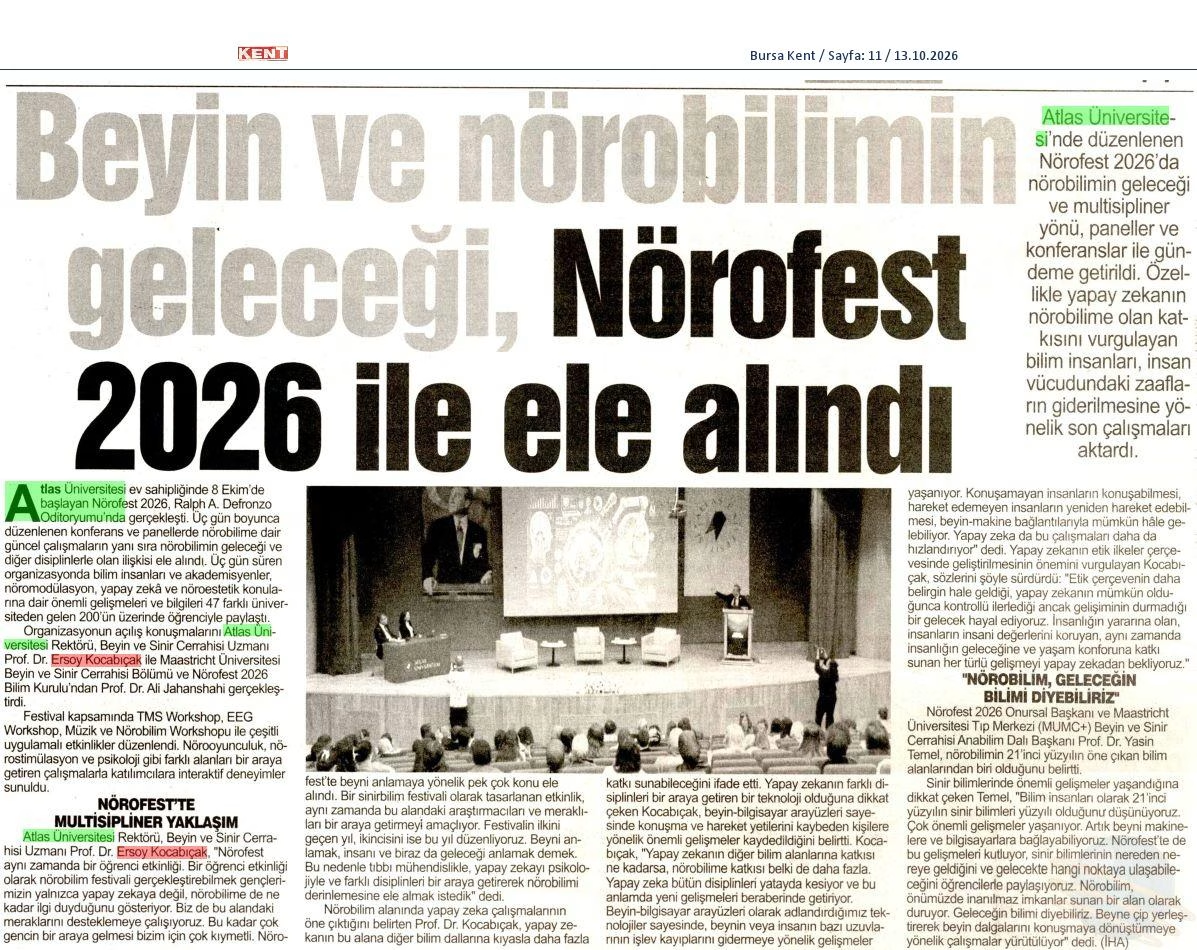
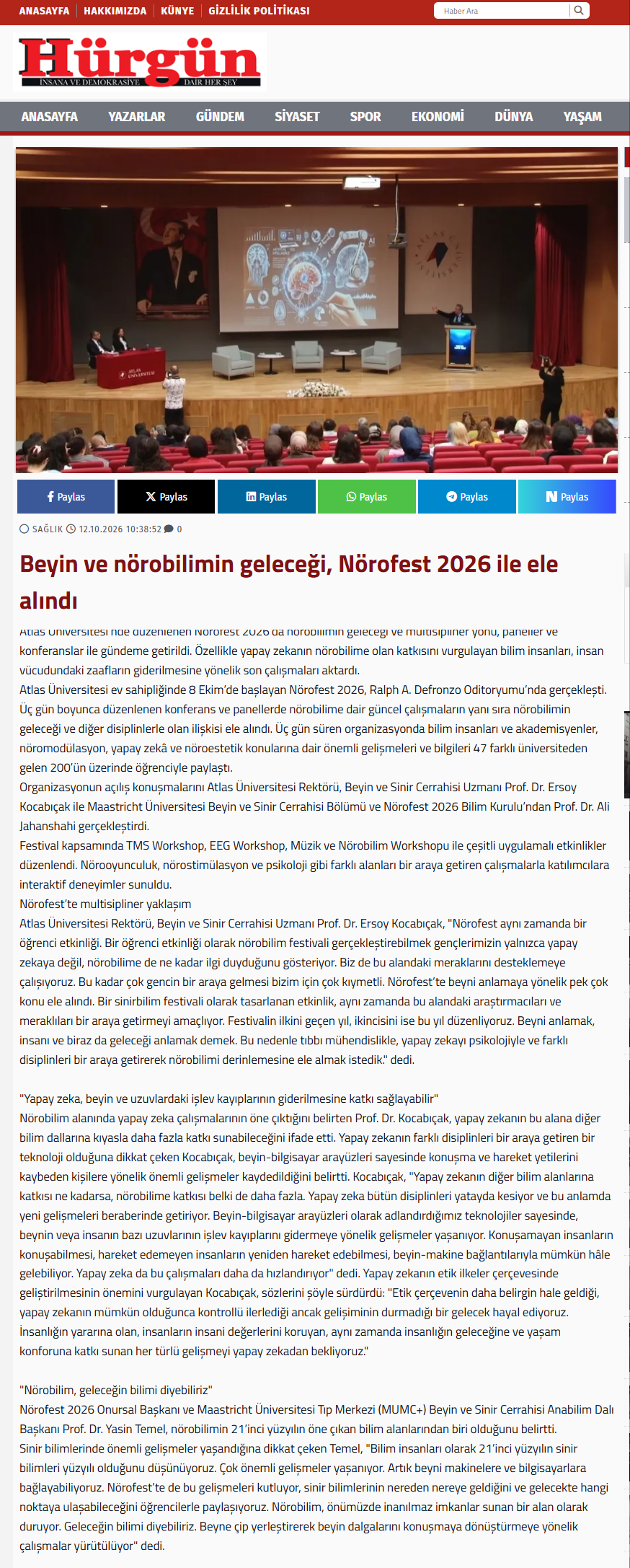
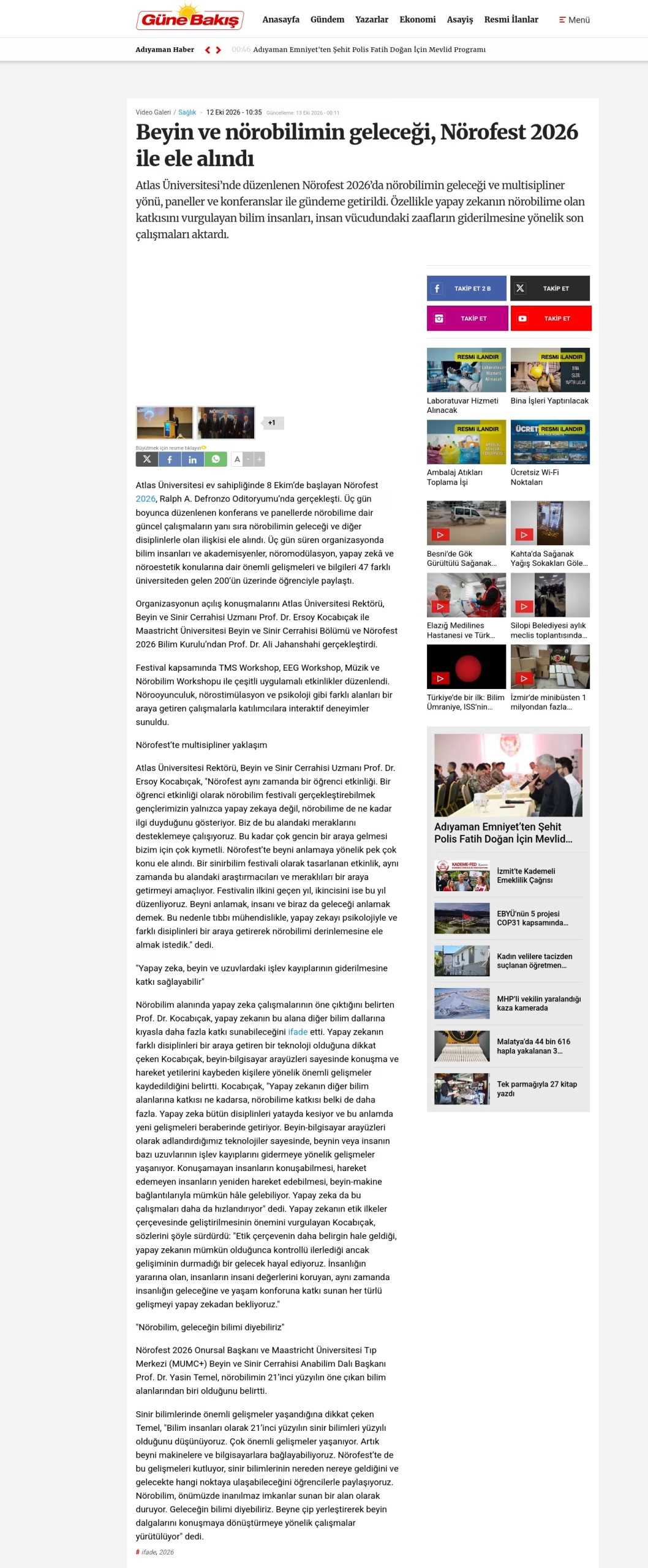
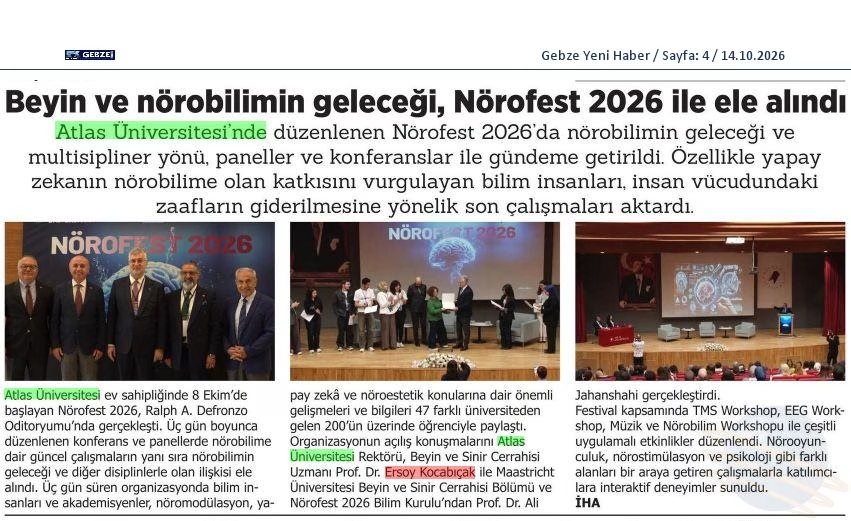
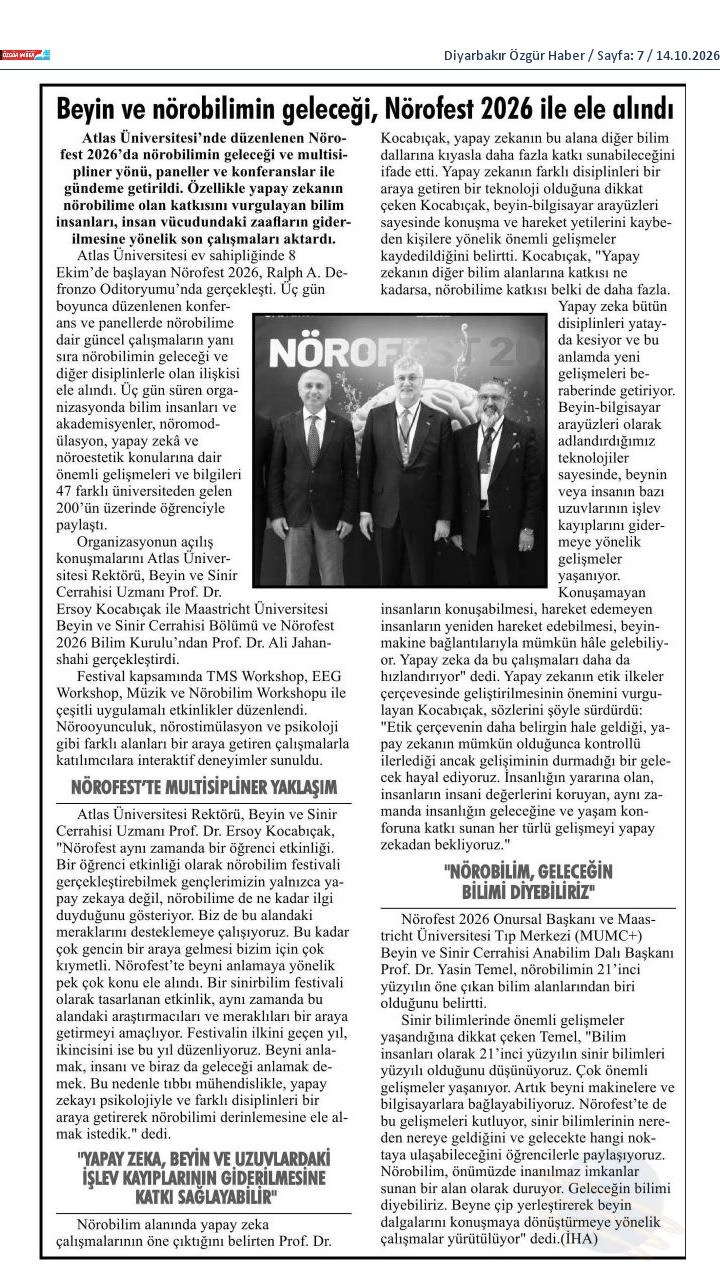
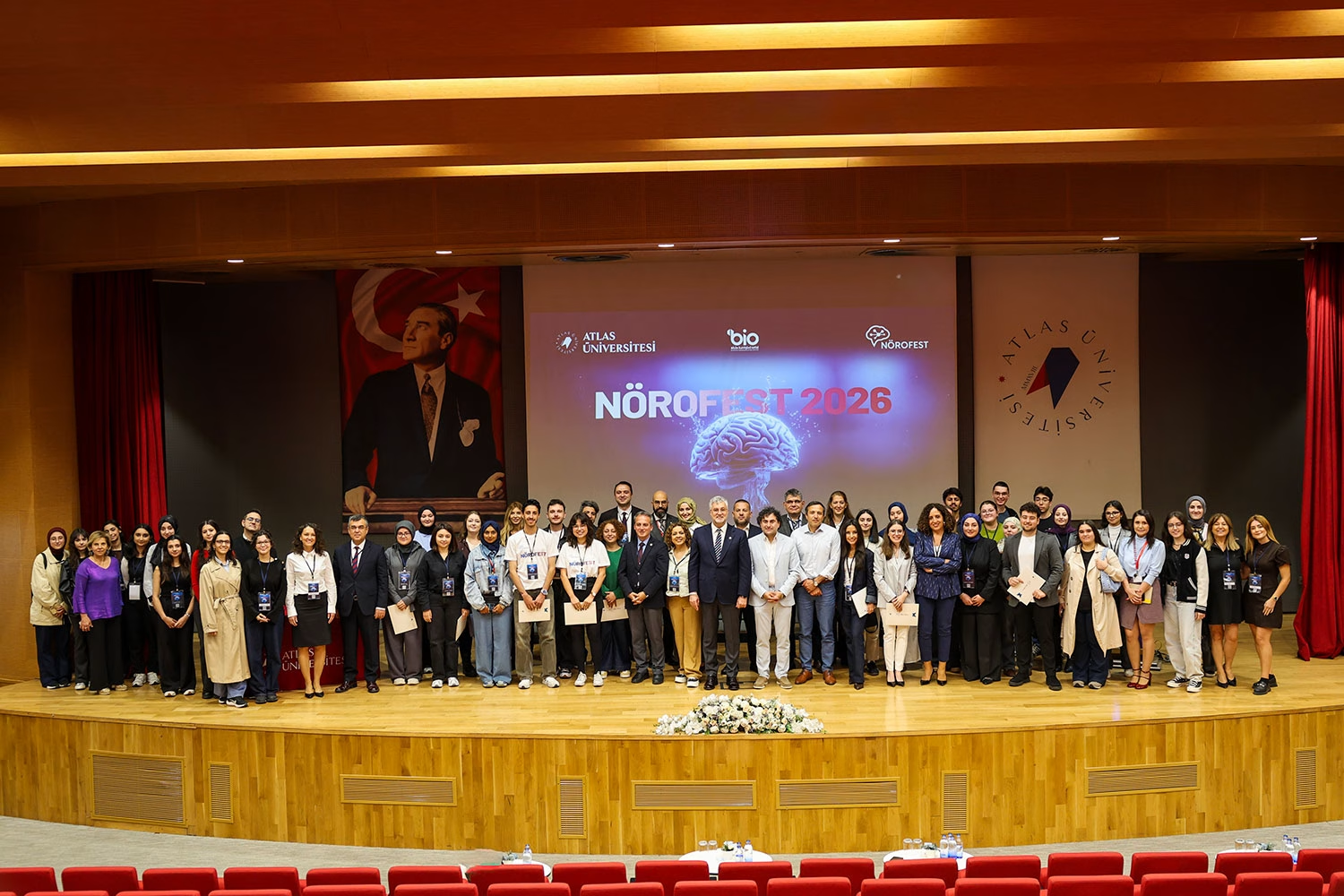
Neurofest 2026, held at the Dr. Ralph A. Defronzo Auditorium on Atlas University's Valley Campus, began with an opening ceremony. Bringing together different disciplines of neuroscience under one roof, the festival featured conferences, panels, oral and poster presentations, hands-on workshops, film screenings, and interactive events.
Prof. Dr. Ersoy Kocabıçak: “Our aim is to bring young people interested in neuroscience together with distinguished scientists.”
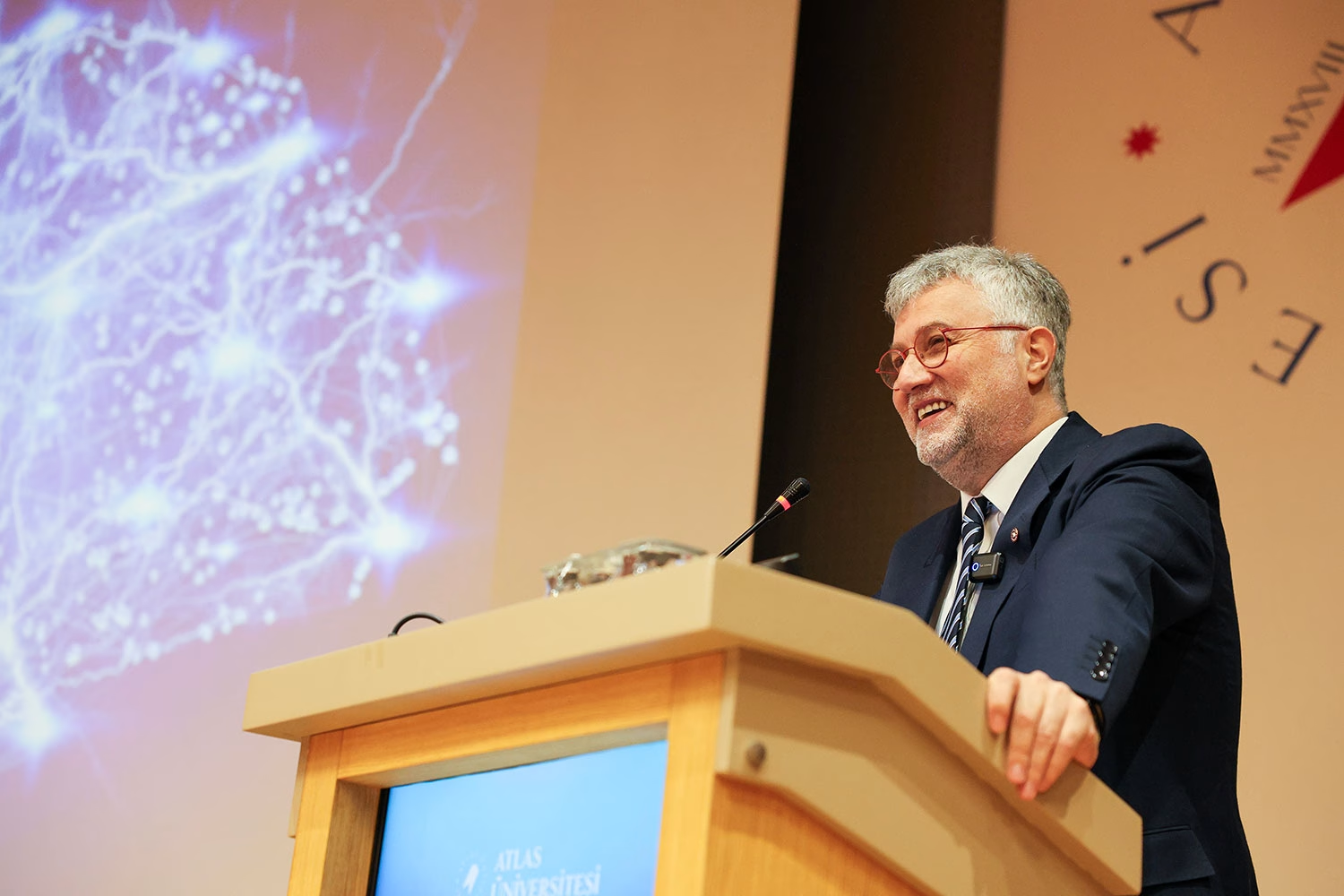
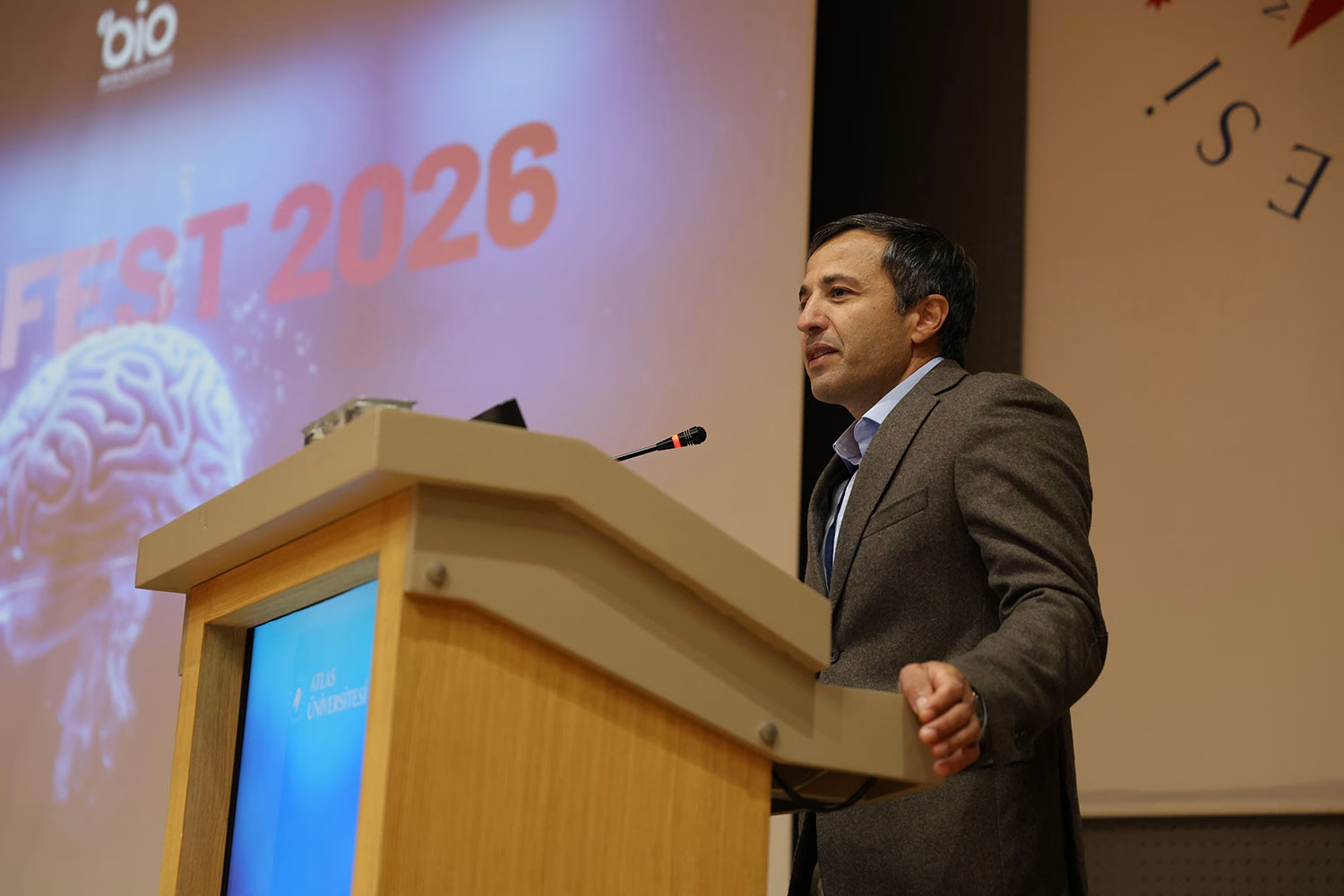
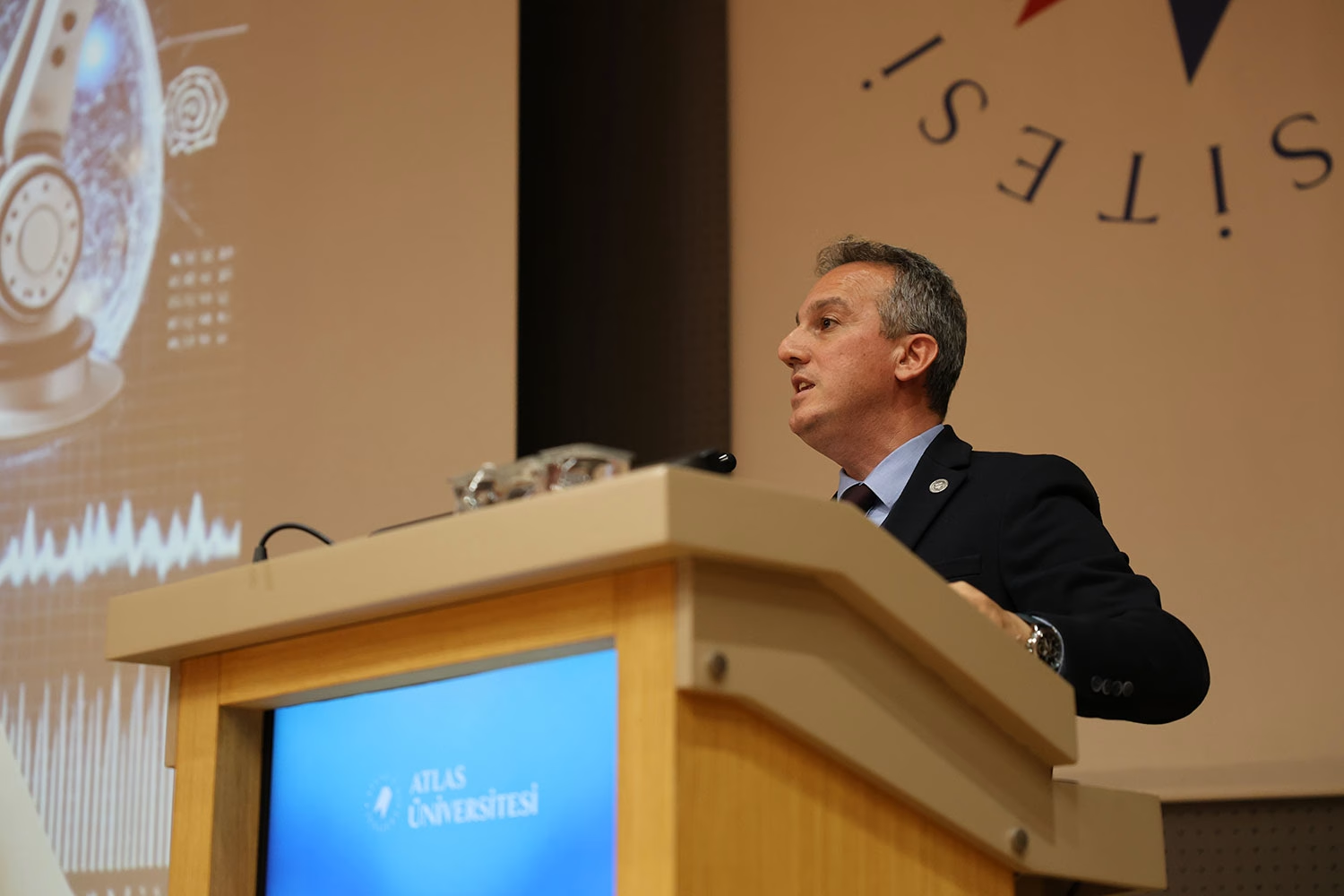
Atlas University Rector and Brain and Neurosurgery Specialist Prof. Dr. Ersoy Kocabıçak, in his speech at the opening of the festival, emphasized that Neurofest is a meeting point that supports the scientific curiosity of young people, strengthens the research culture, and encourages interdisciplinary interaction.
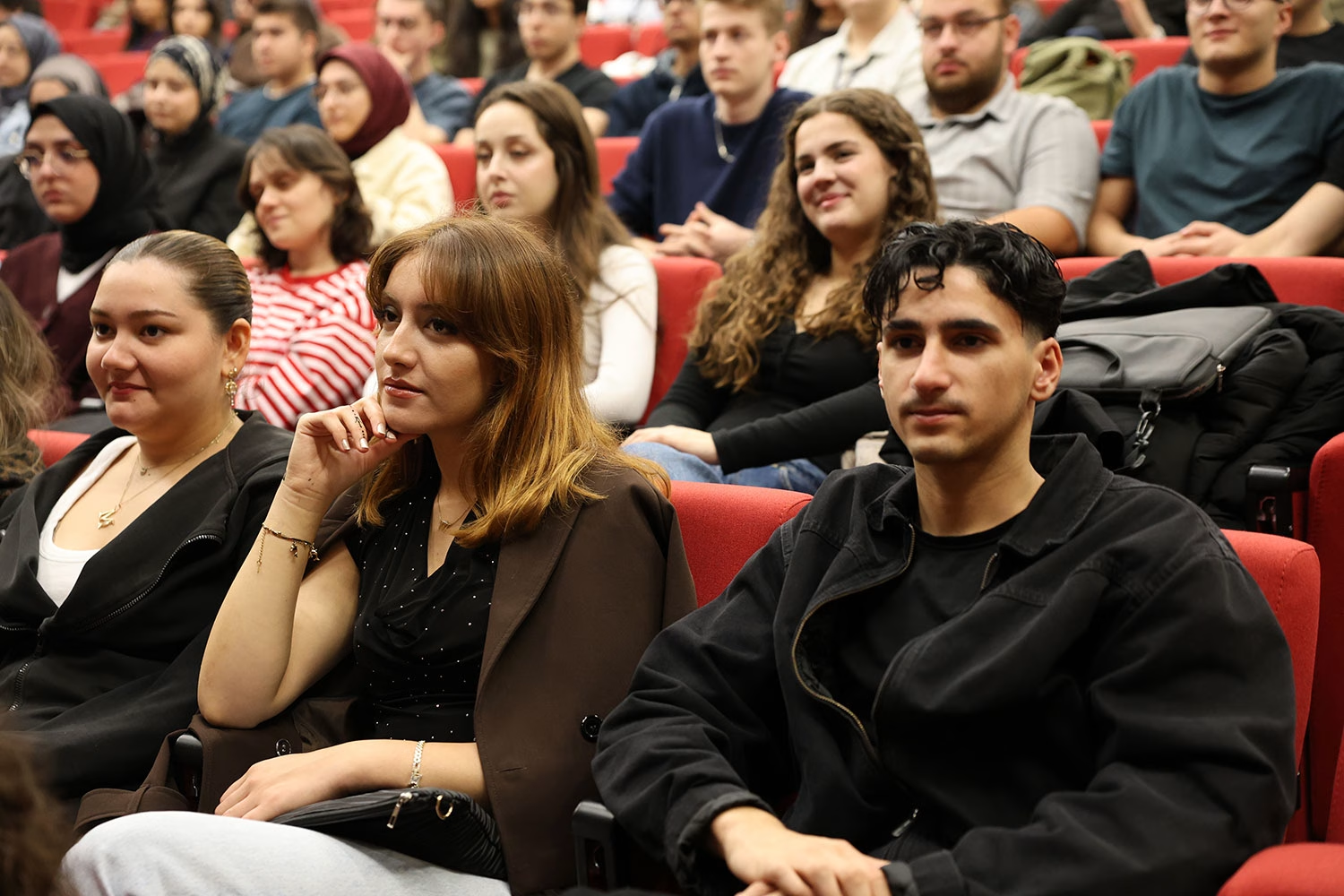
Kocabıçak stated that the festival was held with the participation of over 200 students from 47 universities, and that more than 30 academics and experts from Turkey and abroad also contributed to the program.
Kocabıçak used the following expressions in his speech:
“Our aim is to bring together young people interested in neuroscience with distinguished scientists; to learn together, ask questions, and develop new ideas. As someone who is both a brain and nerve surgeon and holds a PhD in neuroscience, I believe it is very important for you to become acquainted with the world of research as early as possible. In this sense, I sincerely thank all the participants and all the professors who contributed.”
The fact that this year's Nobel Prize in Physiology or Medicine has been awarded to three distinguished scientists known for their work in optogenetics adds a special excitement to our meeting. This method, which allows us to regulate the activity of nerve cells with light, contributes to our understanding of brain circuits and helps us develop new approaches in neuromodulation, which is also my field of study. In fact, this development shows how much opportunity research, which begins with curiosity, can open up for us.
"Spend these three days asking us questions, meeting the professors, and exploring different fields."
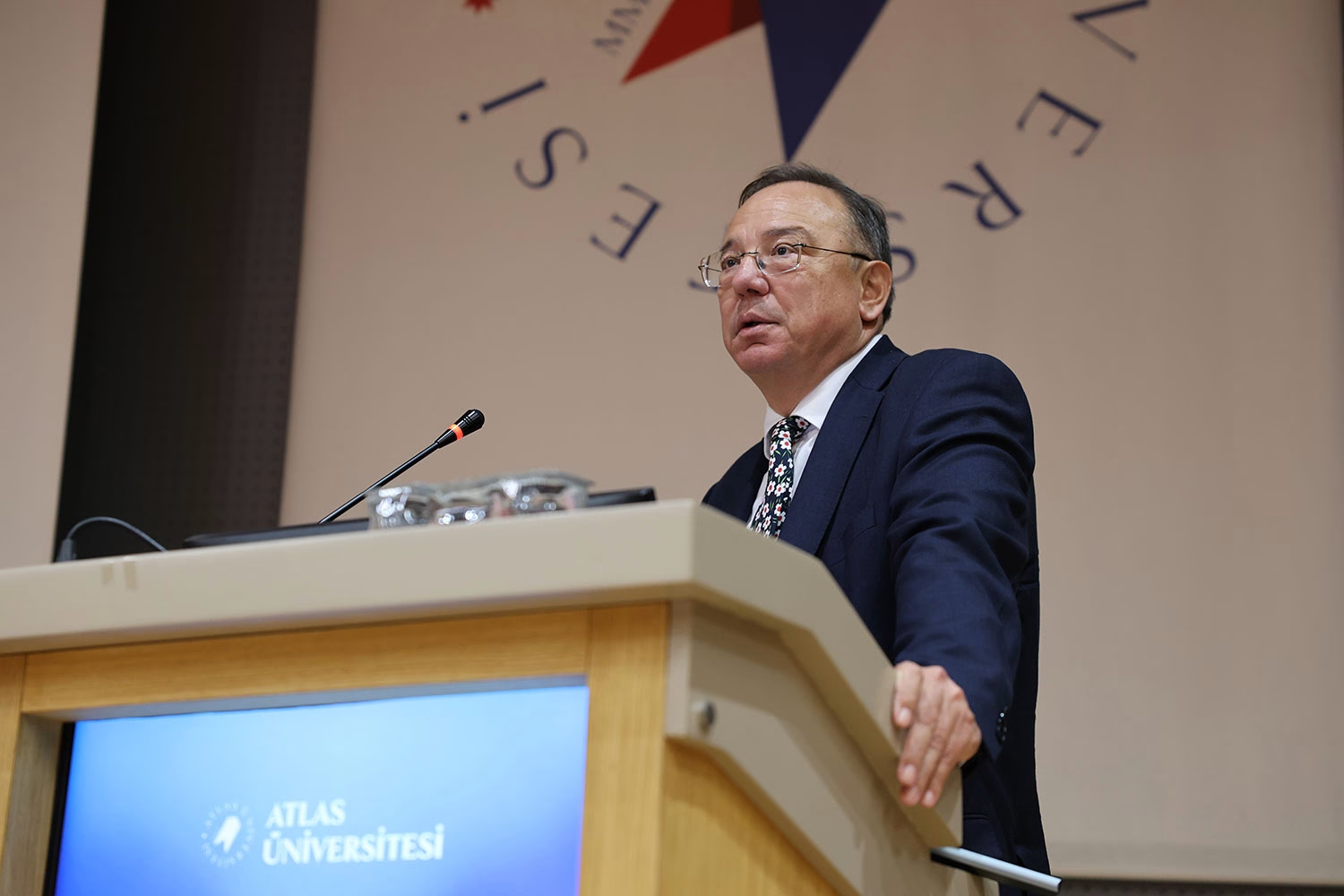
Prof. Dr. Ali Jahanshani, a member of the Neurofest 2026 Scientific Committee and from the Department of Neurosurgery at Maastricht University Medical Center (MUMC+), also delivered an opening speech.
Current Neuroscience Research Meets Different Disciplines
Translational neuroscience, neuromodulation, cognitive neuroscience, experimental neurology, neurovascular studies, and the neuroscience-engineering relationship were among the prominent topics in the scientific program of Neurofest 2026.
Professor Dr. Türker Kılıç Delivers a Lecture Titled “Brain and Connectivity”
On the first day of Neurofest 2026, the topics covered were “Brain and Connectivity”, computational neuroscience, and “Fragile Brain”.
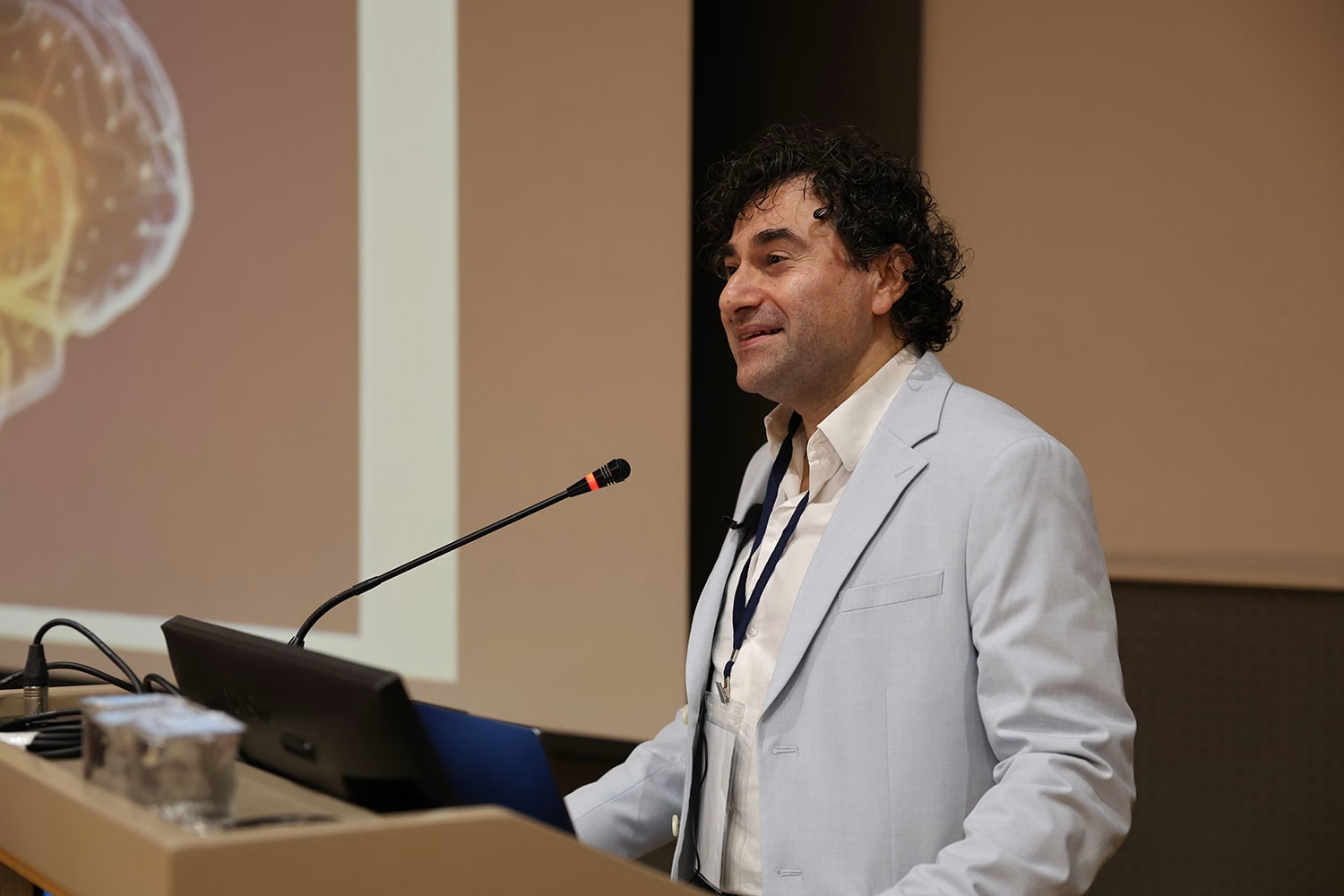
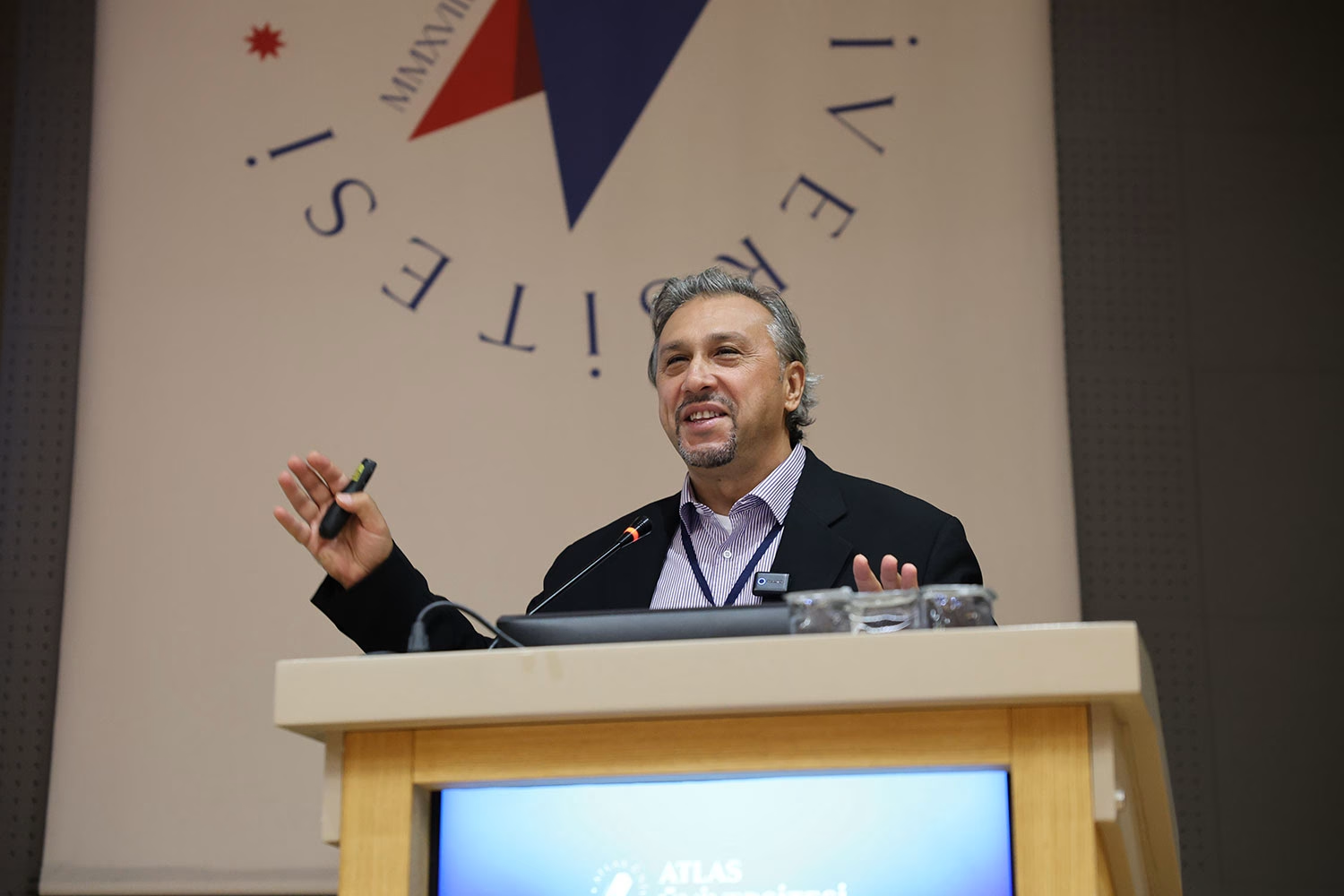
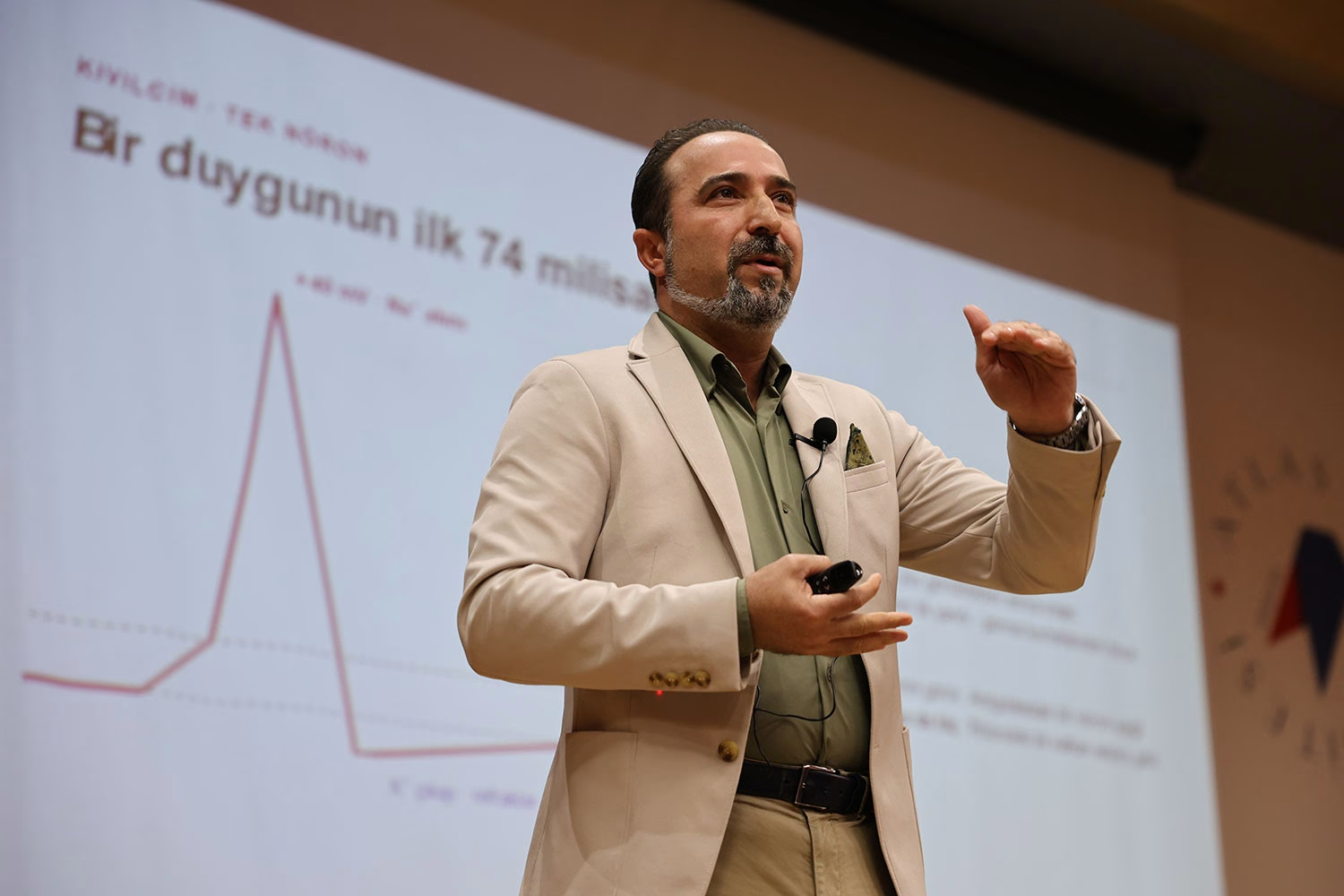
Prof. Dr. Türker Kılıç, one of Türkiye's leading figures in the field of brain and nerve surgery, met with participants at the festival with his conference titled "Brain and Connectivity." The conference was moderated by Prof. Dr. Ahmet Bekar, a member of the Festival's Scientific Committee.
Under the moderation of Festival Scientific Committee Member Prof. Dr. Ayhan Bilir, Assoc. Prof. Dr. Murat Okatan gave the second lecture titled “Computational Neuroscience: From Neural Recordings to Intracortical Brain-Machine Interfaces”.
The program, which covered neuroscience studies conducted in Europe and Türkiye, offered young researchers the opportunity to follow current scientific developments and meet with experts from different disciplines.
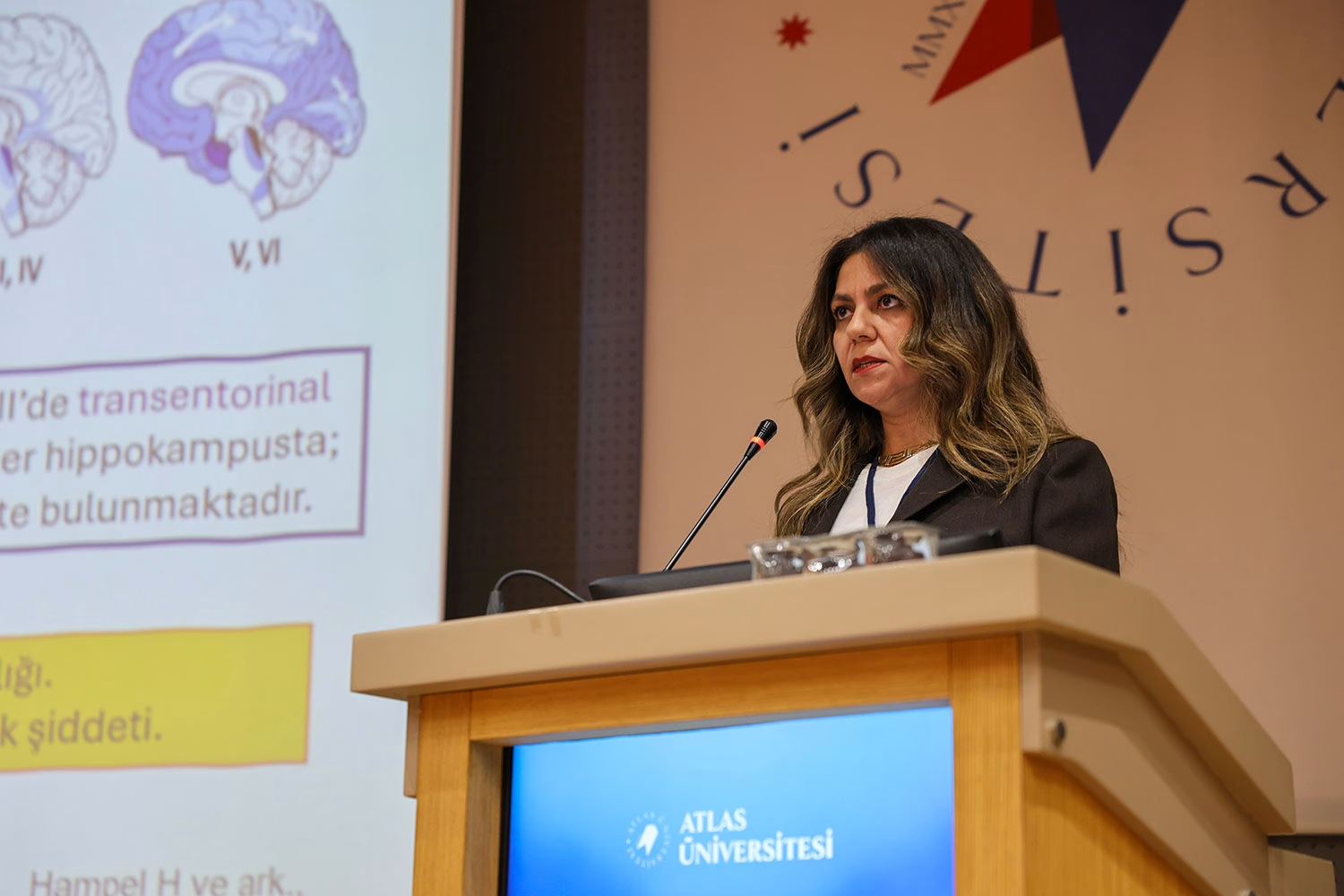
In the final session of the first day of the festival, a panel titled "The Fragile Brain" featured presentations by Prof. Dr. Ethem Murat Arsava on "The Bleeding Brain," Assoc. Prof. Dr. Zeynep Tüfekçioğlu on "The Forgetful Brain," and Prof. Dr. Kürşat Altınbaş on "The Fluctuating Brain."
On the second day of Neurofest 2026, the panels “Neuroscience Research in Europe” and “Neuroscience Studies in Türkiye” evaluated research conducted in different geographical regions and the development of neuroscience studies in Türkiye. The program also included sessions on translational neuroscience, neuromodulation, engineering, and neuroaesthetics.
Prof. Dr. Yasin Temel's Contribution to International Academic Interaction
Prof. Dr. Yasin Temel, Honorary President of Neurofest 2026 and Head of the Department of Neurosurgery at Maastricht University Medical Center (MUMC+), contributed to the international academic interaction dimension of the program with his presentation titled “Translational Neuroscience Research”.
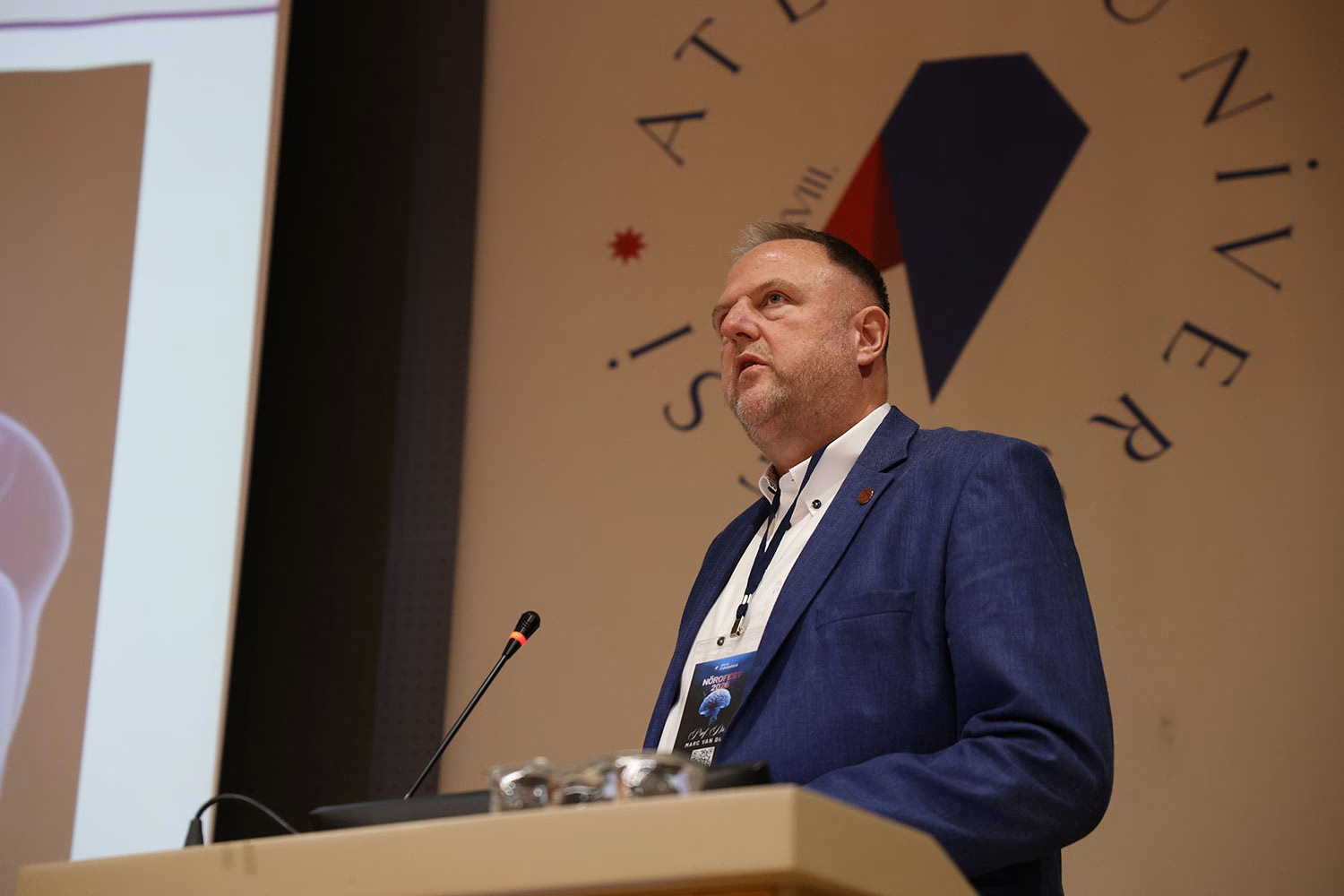
In this session, moderated by Festival Scientific Committee Member Prof. Dr. Özgür Bilgin Topçuoğlu, Prof. Dr. Ali Jahanshan from the Department of Neurosurgery at Maastricht University Medical Center (MUMC+), Dr. Inge Leunissen from the Department of Psychology at Maastricht University, and Prof. Dr. Marc van Dijk, Head of the Department of Neurosurgery at the Faculty of Medicine, University of Groningen, also contributed with their speeches and presentations.
Prof. Dr. Metin Sitti discussed his work in the field of "Neuroscience and Engineering".
The festival, which featured a presentation by Koç University Rector Prof. Dr. Metin Sitti titled “Neuroscience and Engineering,” also included a presentation by Brain and Nerve Surgery Specialist Prof. Dr. Ersoy Kocabıçak on “Neuromodulation,” detailing his applications of Deep Brain Stimulation. Prof. Dr. Bahar Güntekin contributed with a presentation on “Cognitive Neuroscience,” and Prof. Dr. Murat Terzi with a presentation on “Artificial Intelligence and Clinical Research.” These sessions were moderated by Festival Scientific Committee Member Prof. Dr. Yılmaz Kılıçaslan.
Under the moderation of Prof. Dr. Eylem Şimşek, İdil Güral gave a talk titled "How Does the Brain See Art? A Brief Introduction to Neuroaesthetics" at the "Midday Conference with Art".
On the final day of the festival, Professor Dr. Hannelore Ehrenreich gave a lecture titled “Polysubstance abuse in adolescents: Risk factors and consequences,” moderated by Professor Dr. Ülkan Çelik, a member of the Festival Scientific Committee.
Neuroscience Technologies Experienced Through Applied Workshops
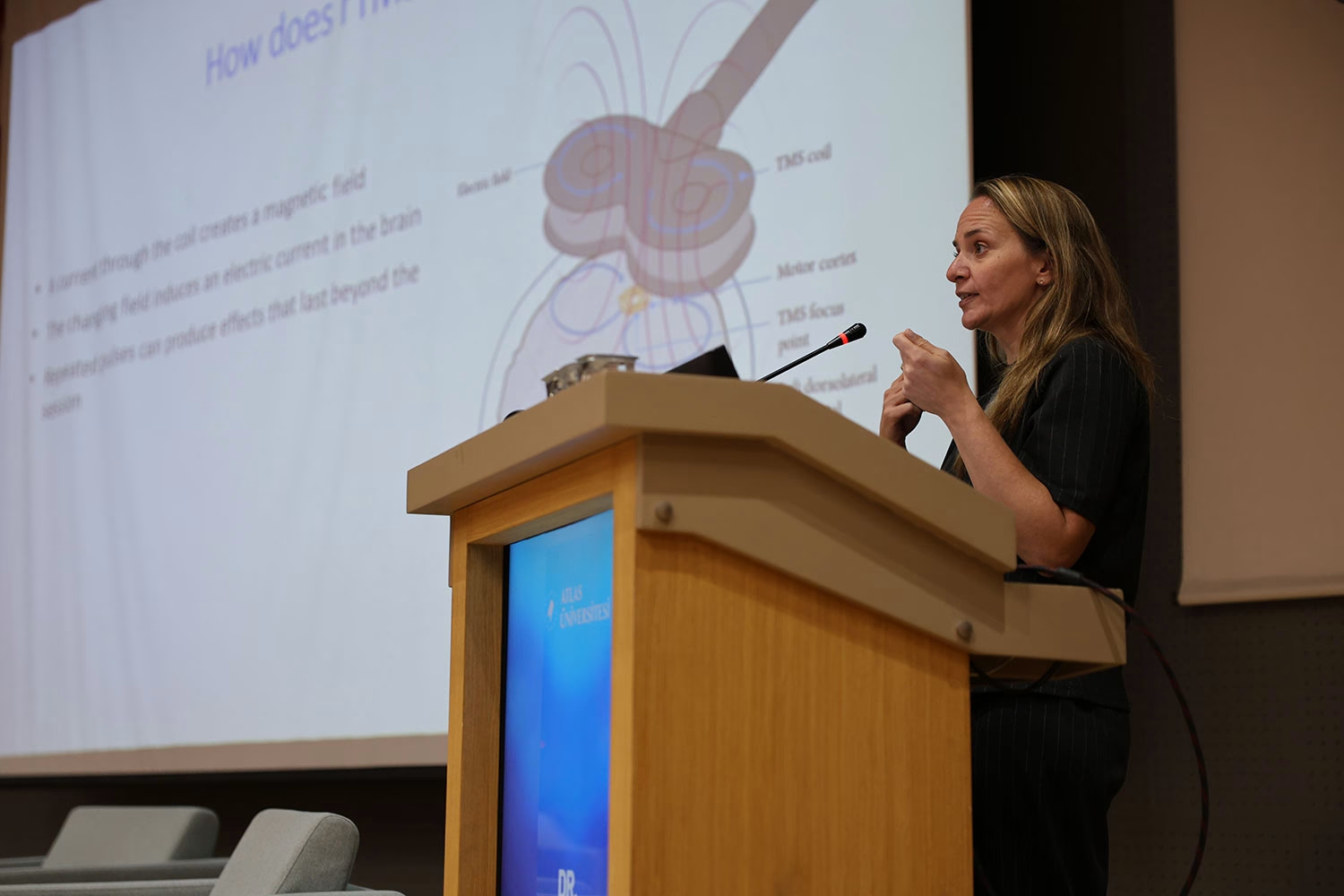
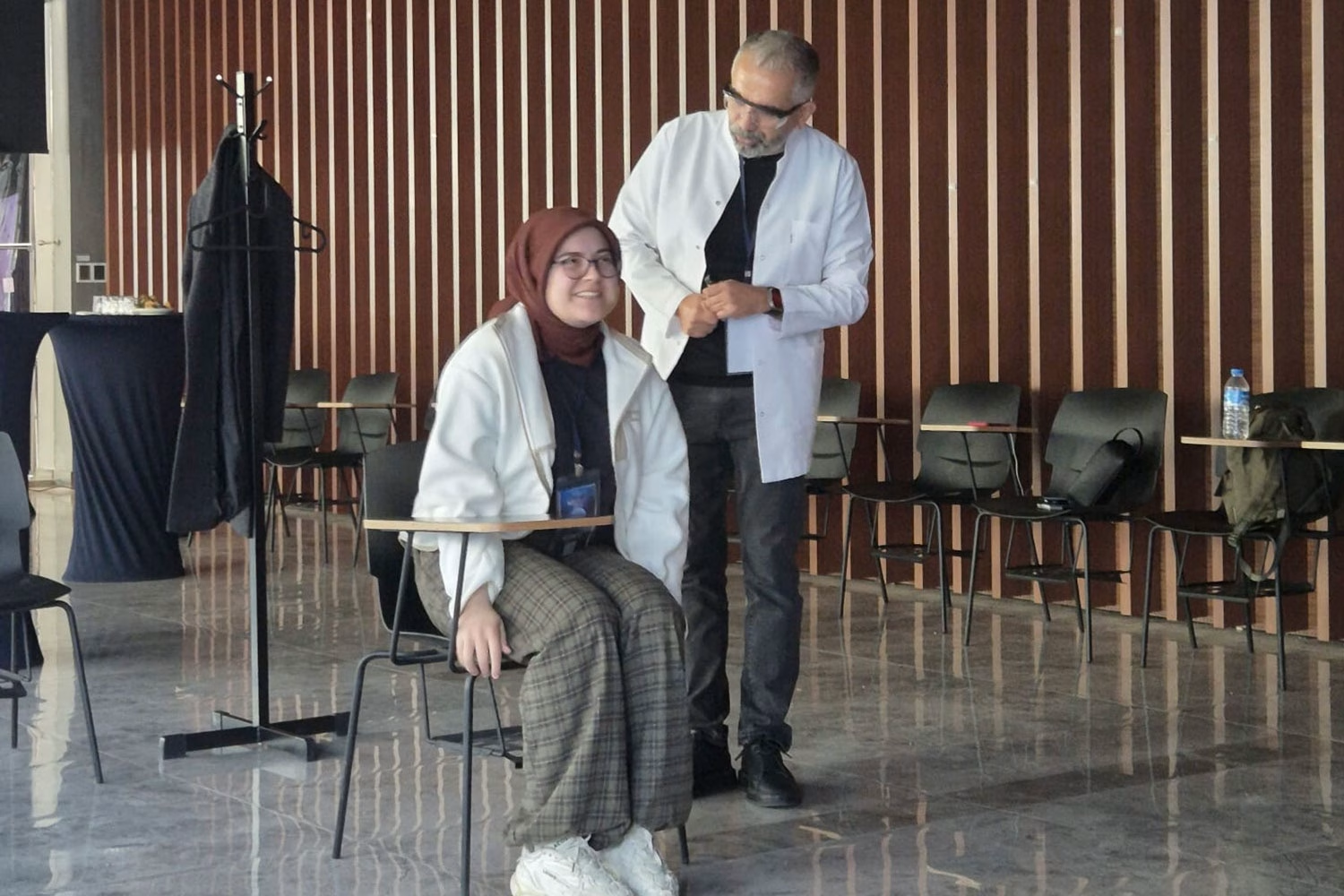
Neurofest 2026 offered participants the opportunity to not only listen to scientific developments but also to experience different methods and technologies. The festival included workshops on TMS, EEG with Music, and Neuroscience, as well as hands-on activities bringing together diverse fields such as neuroacting, neurostimulation, and psychology.
The workshops aimed to help participants reinforce their theoretical knowledge of neuroscience through practical application, become familiar with current research methods, and gain direct experience in the fields of study of different disciplines.
Scientific Sharing and Collaboration Opportunities for Young Researchers
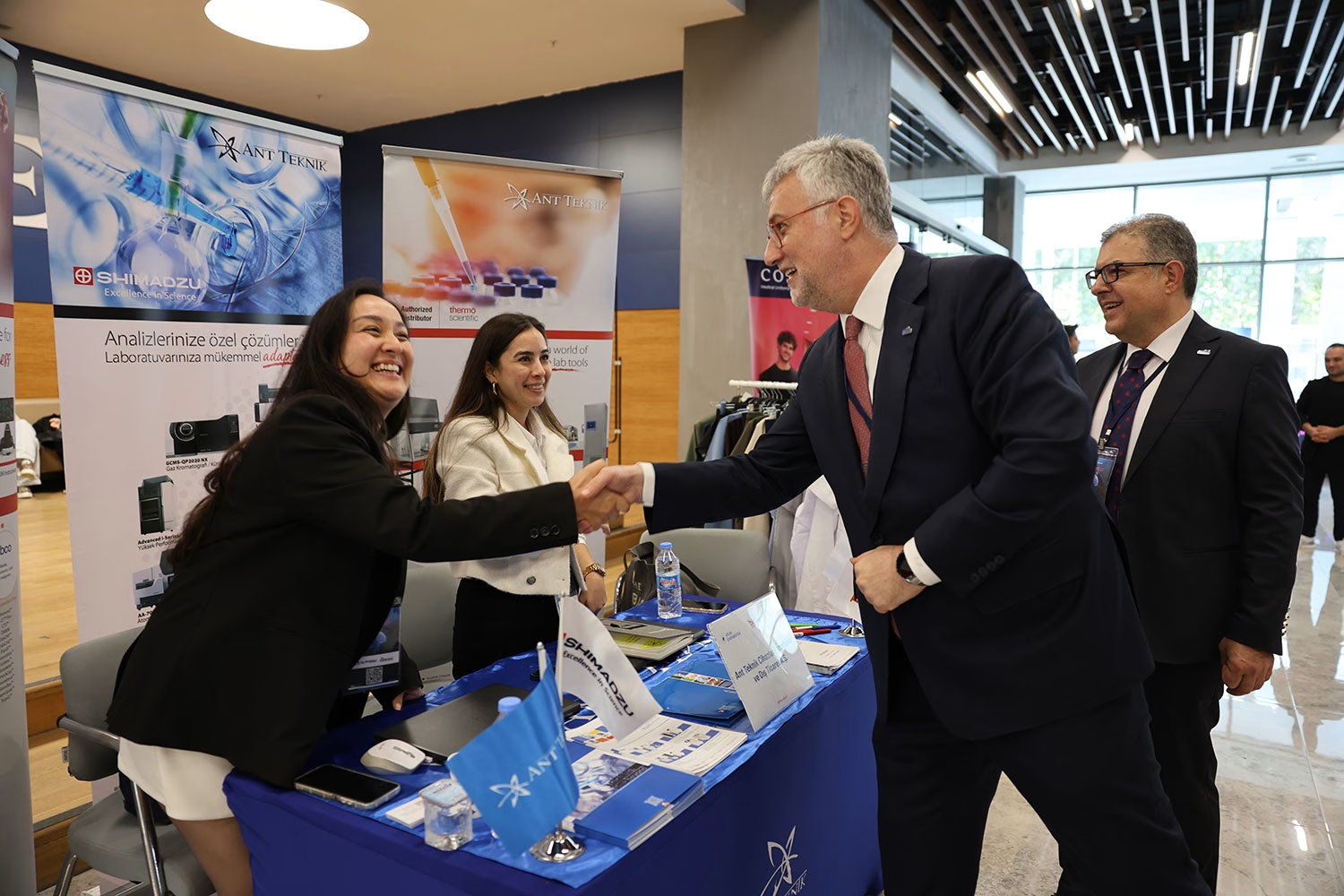
The oral and poster presentations held as part of the festival provided young researchers with the opportunity to share their work with the scientific community. Students and researchers from different universities had the chance to interact with academics from various fields and develop new research collaborations while presenting their scientific findings.
Neurofest contributed to the exchange of academic knowledge with its structure that supports the participation of young people in research processes and strengthens the culture of scientific sharing.
The Relationship Between Brain, Art, and Perception Was Examined.
One of the highlights of Neurofest 2026 was the relationship between neuroscience and art. Events bringing together diverse fields such as neuroaesthetics, music, and neuroacting explored how the brain perceives the world, the relationship between perceptual processes and art, and the role of the human mind in creativity.
The “Brain and Art Workshops,” held on the final day of the festival, offered participants the opportunity to connect scientific knowledge with artistic experience. The program, which concluded with a closing conference, revealed that neuroscience is not limited to medicine and basic sciences; it also has a strong interaction with art, psychology, engineering, and technology.
Scientific Curiosity and Social Interaction on the Same Platform
Neurofest 2026, which hosted scientific sessions as well as events such as film screenings, offered participants an environment where they could develop their scientific curiosity through different experiences. The screening of the film “I Swear” (X-Labs) included in the program was also among the festival's events that brought together science, culture, and social interaction.
With research into understanding the brain and the human mind gaining momentum today, neuroscience stands out as a multidisciplinary field of research intersecting with many areas such as medicine, engineering, psychology, art, and technology.
Hosted by Atlas University, Neurofest 2026 brought together researchers, academics, students, and science enthusiasts from different disciplines, contributing to the sharing of current scientific developments, supporting young researchers, and fostering new collaborations.