





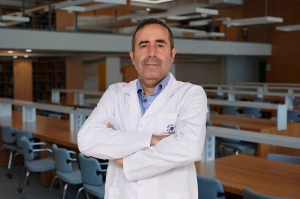




Professor Dr. Cemal Turan, a faculty member in the Department of Molecular Biology and Genetics at Istanbul Atlas University's Faculty of Engineering and Natural Sciences, made a statement regarding the importance of biodiversity on the occasion of International Biodiversity Day on May 22nd, which is celebrated this year with the theme "Local action for global impact." Professor Dr. Cemal Turan said the following:
One-third of the more than 10 plant species in Türkiye are endemic.
“Biodiversity is the vast and perfect web of life formed by genes, species, ecosystems, and ecological processes in our world. In short, it is nature's life insurance. We owe everything to this diversity, from the oxygen we breathe to the clean water we drink, from the food we eat to the raw materials for our medicines. Turkey is a true paradise in this respect. While there are approximately 12 plant species in the entire European continent, there are more than 10 plant species in our country alone, and one-third of them are endemic, meaning they live only in this land in the world. Biodiversity is not a luxury; it is a fundamental condition for humanity's survival on this planet. If we break even one link in the chain, we risk the collapse of the entire system.”
The Invisible Threat in the Seas Affects Our Food and Our Health.
Unfortunately, alongside this great wealth, our country also faces serious threats. The most critical threat is habitat loss and fragmentation. Uncontrolled urbanization, industrialization, and the expansion of agricultural areas are destroying the homes of living creatures. However, a similar, perhaps even more invisible, threat to our seas is occurring: invasive alien species combined with climate change. With the opening of the Suez Canal and the increasing warming of the Mediterranean, many invasive species originating from the Indian Ocean and the Red Sea have invaded our waters. Today, species such as pufferfish, lionfish, and poisonous jellyfish, rapidly spreading in the Mediterranean and Aegean Seas, are usurping the habitats and food sources of our native and endemic marine life. This situation not only collapses the marine ecosystem; it also harms our fishing economy, undermines tourism, and can even threaten public health and lead to fatal cases due to the potent toxins they contain. In short, biodiversity loss directly affects our food and our health.
A bottom-up wave of protection must be launched.
There are things that local governments, communities, and individuals can do to protect biodiversity. This year's theme actually sends us a very clear message: instead of waiting for 'top-down' decisions, we must launch a 'bottom-up' wave of conservation.
Local Governments (Municipalities): City planning should focus on nature-based solutions, not concrete. Instead of invasive foreign plants, parks should be filled with native, water-efficient plants of the region. Local seed centers should be established and protected areas declared.
Communities and NGOs: They should monitor the rivers, forests, and biodiversity hotspots in their regions, collect data through 'citizen science' projects, and exert constructive pressure on local governments.
Individuals: We are the strongest link in this chain. We can be part of this movement by making room for nature in our homes, gardens, or balconies, and by changing our consumption choices.
Small steps taken at the local level can create a butterfly effect.
In nature, nothing is independent of anything else; the butterfly effect applies here as well. The same is true in our seas as it is in terrestrial ecosystems. For example, combating invasive species on a local scale leads to global success. Supporting local fishing cooperatives, promoting the hunting of lionfish or pufferfish that are invading the Mediterranean today, or raising awareness among coastal communities are all local steps. However, through these local efforts, you protect the native species of the Mediterranean and prevent the collapse of the Mediterranean ecosystem, which is vital for the entire world, on a global scale. Similarly, a farmer switching to drip irrigation to conserve water resources prevents the drying up of wetlands fed by that water and saves the global migration route of millions of birds migrating between Africa and Europe. When these small steps taken locally by millions of people are combined, they become a massive shield that can stop global biological collapse.”
Everyday Habits Can Be Effective in Conserving Biodiversity
Professor Dr. Cemal Turan also touched upon what individuals can do in their daily lives to protect biodiversity, stating that what can be done individually is much more extensive and quite simple than commonly believed. Professor Dr. Cemal Turan explained these behaviors as follows:
Reducing water consumption: Because every drop of water we waste in our homes is stolen from our wetlands, which are the habitats of birds and fish.
Avoiding chemicals: Choosing eco-friendly, biodegradable products for household cleaning or personal care. Harmful chemicals poured down the sink eventually reach our oceans and poison the ecosystem there.
Opening balconies and gardens to nature: Planting native beekeeping herbs (lavender, thyme, etc.) on our balcony will provide a chain of oases for bees and pollinators in the city.
Not releasing pets and aquarium animals into the wild: This is a very important issue. We should never release exotic fish, plants, or creatures like red-eared sliders that we keep in aquariums and import from other countries into lakes, rivers, or seas out of goodwill when we can no longer care for them. This seemingly well-intentioned act leads to these foreign species becoming invasive in our waters, eating or infecting our native species, and ultimately destroying our biodiversity. While trying to set a single creature free, we can end up holding an entire ecosystem captive, and millions of dollars can be spent trying to combat these invaders.
Radically reducing plastic consumption: Plastic pollution is no longer just an environmental problem, but a direct food chain crisis. The plastics we leave in nature (plastic bags, PET bottles, packaging) never disappear under the influence of sunlight, waves, and wind; they only break down into tiny, invisible particles called microplastics. Fish, mussels, and other marine life swallow these microplastics, mistaking them for food. These plastics penetrate the tissues and muscles of these creatures. And do you know what happens in the end? When we catch those fish and put them on our dinner table, we are consuming the plastics we ourselves threw into nature, threatening our own health. Studies show that people now swallow the equivalent of a credit card's worth of plastic every week. So, eliminating single-use plastics from our lives is not only about protecting sea turtles or fish, but also about protecting our own health and future.
Local production should be supported and seasonal food should be consumed.
Noting that biodiversity is also affected by local production and sustainable consumption habits, Prof. Dr. Cemal Turan concluded his remarks as follows:
“Our consumption habits are either the killers or the saviors of biodiversity. The global and industrial food system is increasingly homogenizing the world. Today, we see the same type of tomato and the same type of apple in supermarkets. This is causing the extinction of our thousands of years old local and heirloom seeds, our agricultural biodiversity. When we support local production and eat seasonally, we both reduce our carbon footprint (by reducing transportation processes) and ensure that those local seeds, which are the genetic heritage of Anatolia, continue to be planted in the soil. Sustainable consumption is a courtesy to nature, saying, 'I will not consume more than you can produce.' As we choose local producers and sustainable products, the market will be forced to stop plundering nature.”