

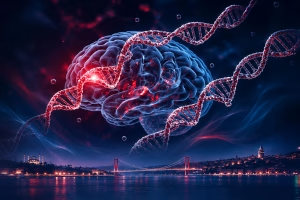

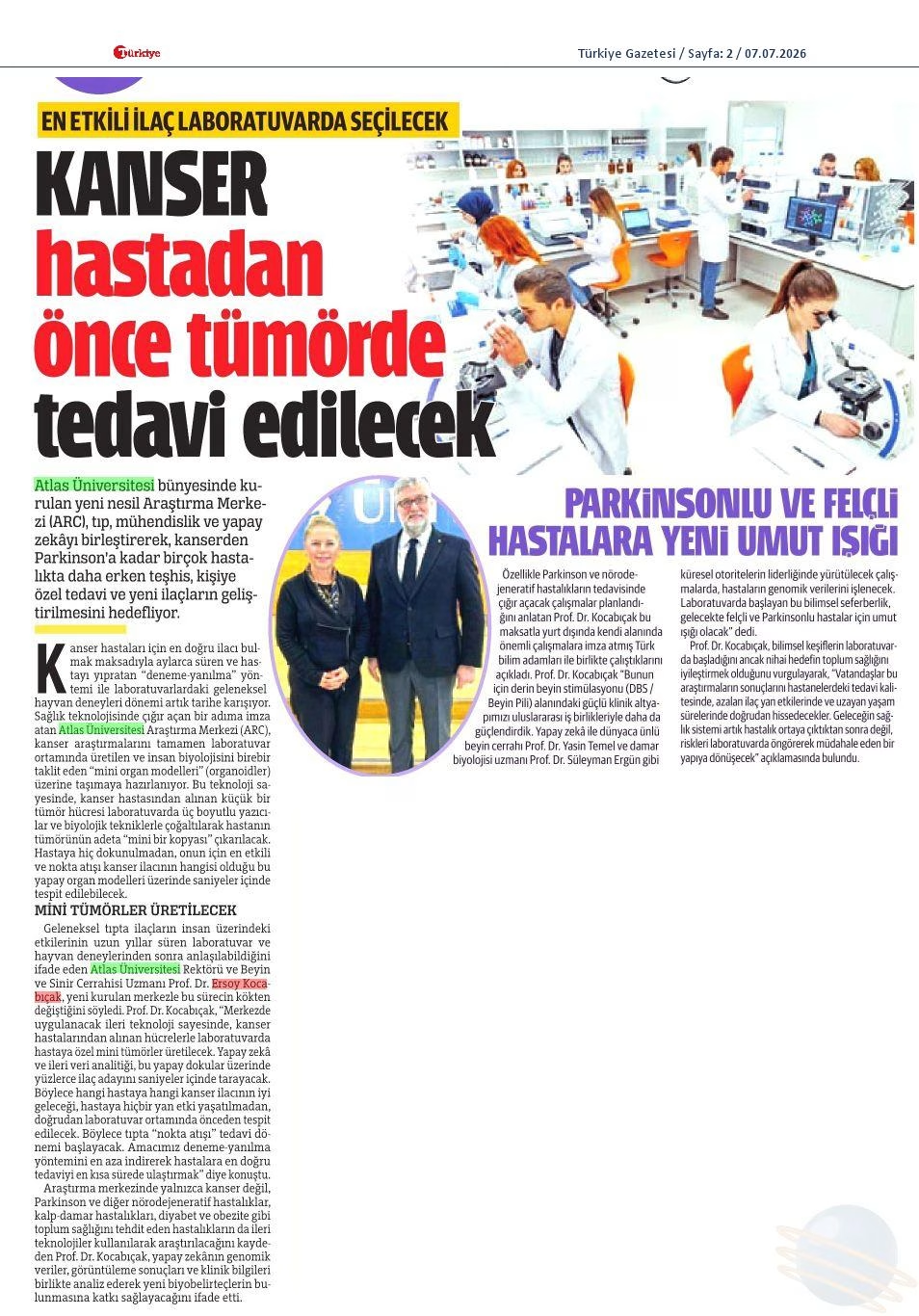

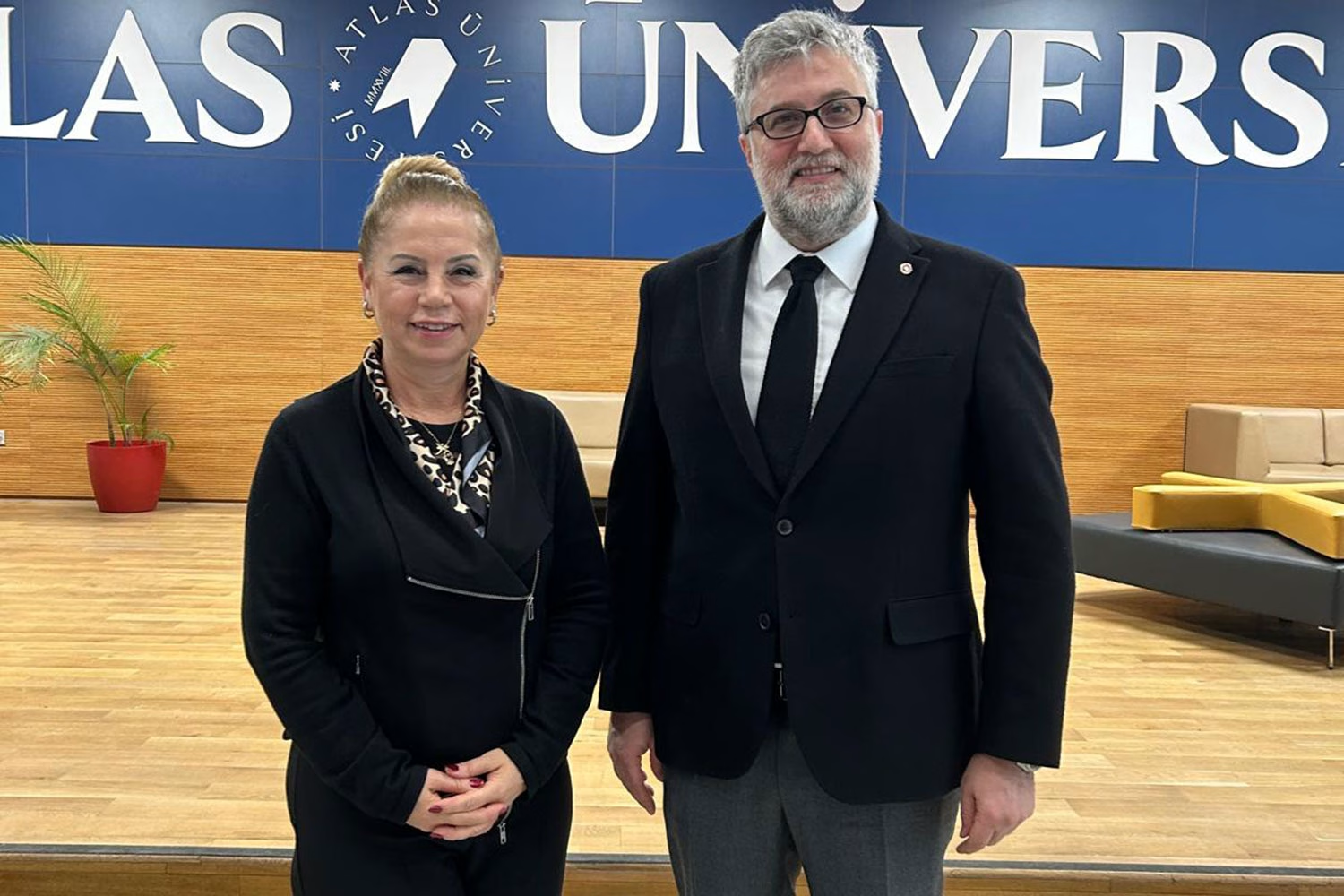
Established within Atlas University, the next-generation Research Center (ARC) aims to combine medicine, engineering, and artificial intelligence to achieve earlier diagnosis, personalized treatment, and the development of new drugs for a wide range of diseases, from cancer to Parkinson's.
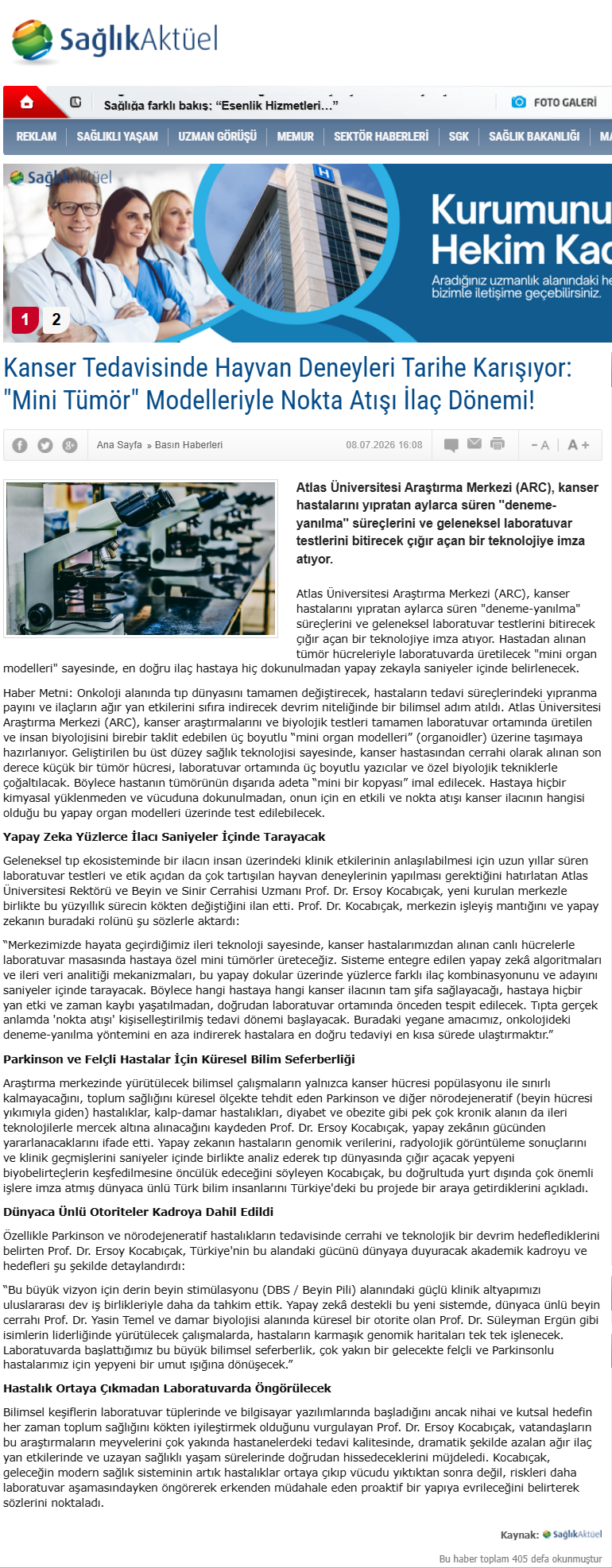
The era of months-long, grueling "trial-and-error" methods and traditional animal experiments in laboratories to find the most suitable drug for cancer patients is coming to an end. Atlas University Research Center (ARC), taking a groundbreaking step in health technology, is preparing to move cancer research entirely to "mini organ models" (organoids) produced in a laboratory environment that perfectly mimic human biology. Thanks to this technology, a small tumor cell taken from a cancer patient will be replicated in the laboratory using 3D printers and biological techniques, creating a "miniature copy" of the patient's tumor. Without touching the patient, the most effective and targeted cancer drug for them can be identified within seconds on these artificial organ models.
Mini Tumors Will Be Produced
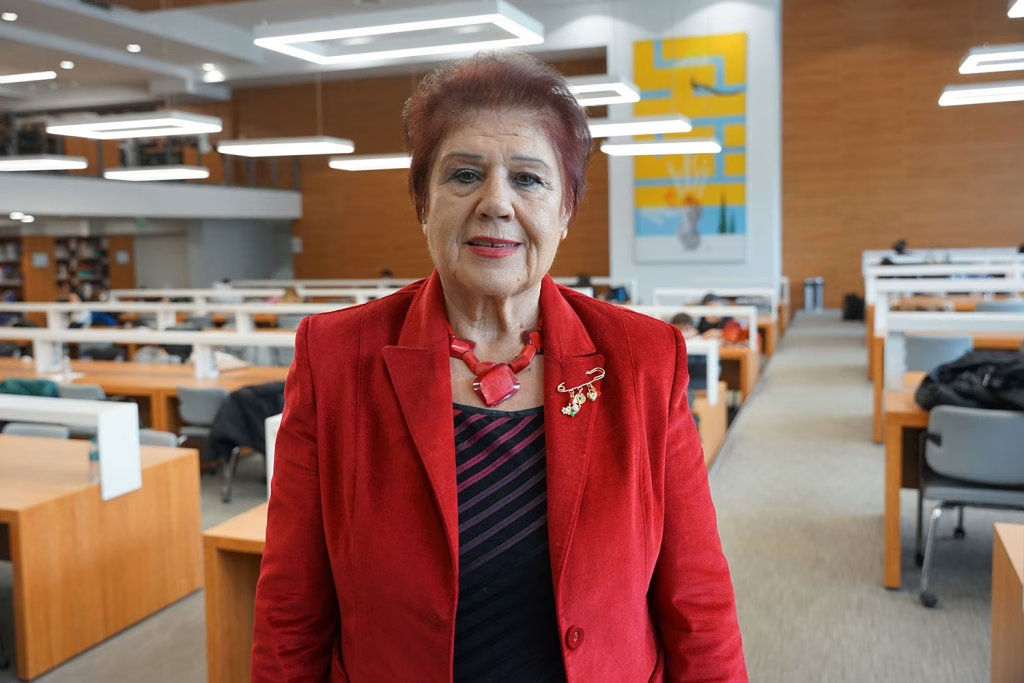
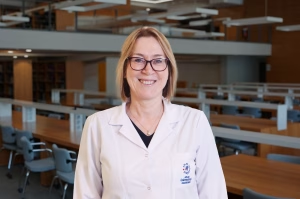
Atlas University Rector and Brain and Neurosurgery Specialist Prof. Dr. Ersoy Kocabıçak stated that in traditional medicine, the effects of drugs on humans could only be understood after many years of laboratory and animal experiments, and that this process has fundamentally changed with the newly established center.
Prof. Dr. Kocabıçak stated, “Thanks to the advanced technology to be implemented at the center, patient-specific mini-tumors will be produced in the laboratory using cells taken from cancer patients. Artificial intelligence and advanced data analytics will screen hundreds of drug candidates on these artificial tissues in seconds. Thus, which cancer drug will be beneficial for which patient will be determined in advance, directly in the laboratory environment, without causing any side effects to the patient. This will usher in a new era of ‘precision’ treatment in medicine. Our goal is to minimize trial and error and provide patients with the most accurate treatment in the shortest possible time.”
Professor Dr. Kocabıçak noted that the research center will use advanced technologies to investigate not only cancer but also diseases that threaten public health, such as Parkinson's and other neurodegenerative diseases, cardiovascular diseases, diabetes, and obesity. He stated that artificial intelligence will contribute to the discovery of new biomarkers by analyzing genomic data, imaging results, and clinical information together.
A New Ray of Hope for Parkinson's and Stroke Patients
Professor Dr. Kocabıçak explained that groundbreaking studies are planned, particularly in the treatment of Parkinson's and neurodegenerative diseases, and that for this purpose they are collaborating with Turkish scientists who have made significant contributions in their fields abroad.
Prof. Dr. Kocabıçak stated, “To this end, we have further strengthened our robust clinical infrastructure in the field of deep brain stimulation (DBS/Brain Pacemaker) through international collaborations. In studies to be conducted under the leadership of world-renowned neurosurgeon Prof. Dr. Yasin Temel and vascular biology expert Prof. Dr. Süleyman Ergün, using artificial intelligence, patients' genomic data will be processed. This scientific mobilization, which began in the laboratory, will be a beacon of hope for stroke and Parkinson's patients in the future.”
The Healthcare System of the Future…
Prof. Dr. Kocabıçak emphasized that while scientific discoveries begin in the laboratory, the ultimate goal is to improve public health, stating, “Citizens will directly feel the results of these studies in the quality of treatment in hospitals, reduced drug side effects, and extended life expectancy. The healthcare system of the future will transform into a structure that intervenes not after a disease has emerged, but by predicting risks in the laboratory.”