

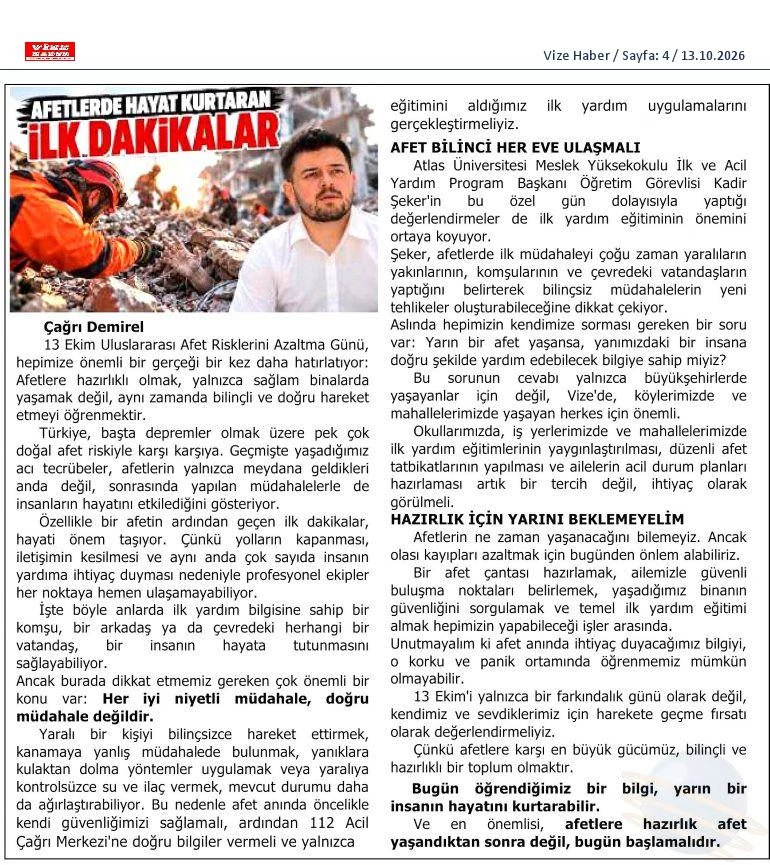
Şeker emphasized that during a disaster, the priorities should be ensuring personal safety, notifying the 112 Emergency Call Center, and only applying first aid techniques learned through training. He also noted that first aid training increases societal awareness and resilience in the face of disasters.
Intervention in the first few minutes of a disaster is vitally important.
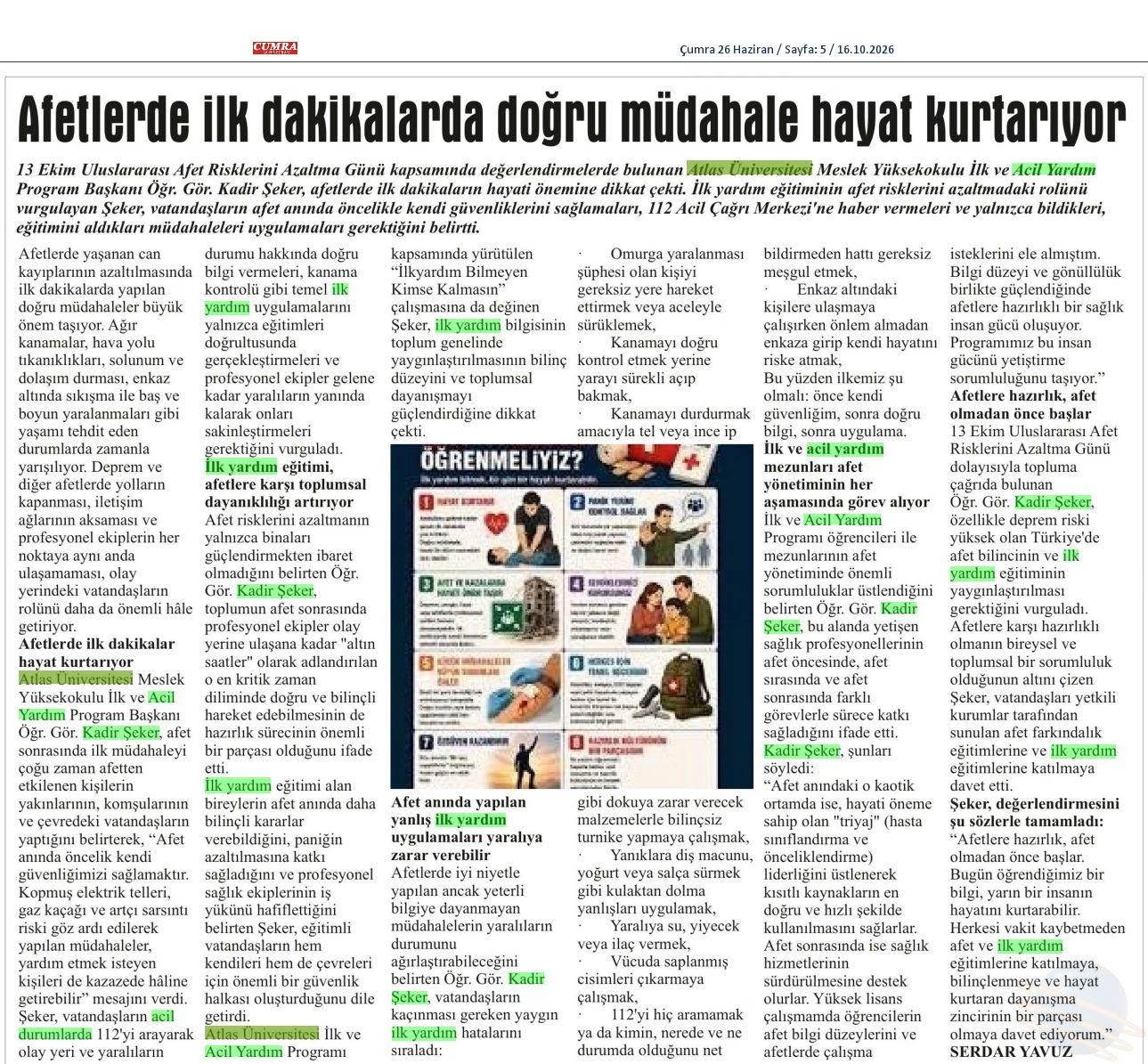
In earthquakes, floods, and other disasters, timely and accurate interventions in the initial minutes are crucial in reducing loss of life. In life-threatening situations such as severe bleeding, airway obstructions, respiratory and circulatory arrest, entrapment under rubble, and head and neck injuries, prompt and correct intervention can directly affect the chances of survival.
Road closures, communication disruptions, and the inability of professional teams to reach all areas simultaneously after a disaster increase the responsibility of citizens at the scene.
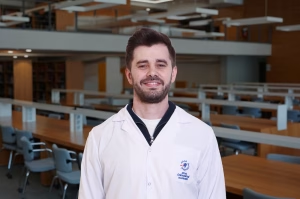
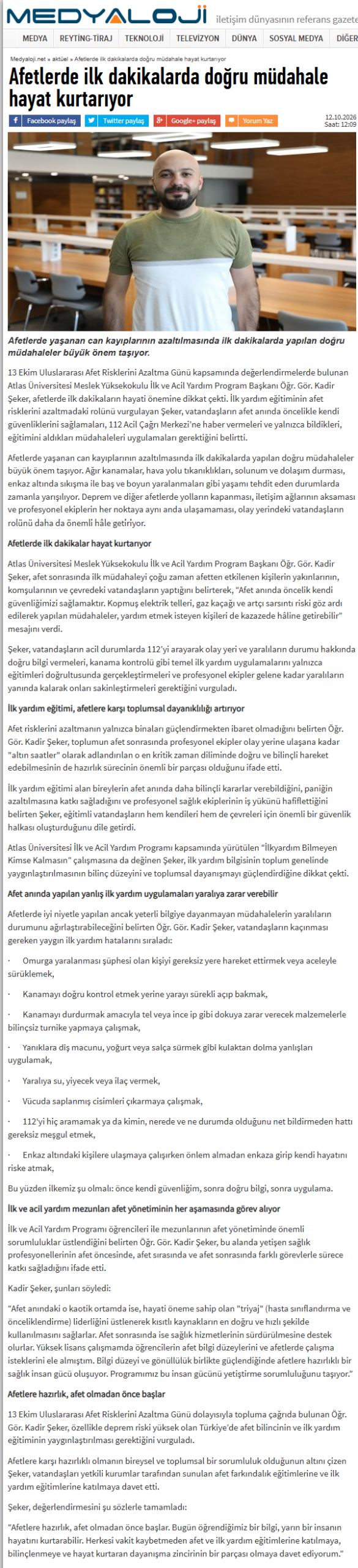
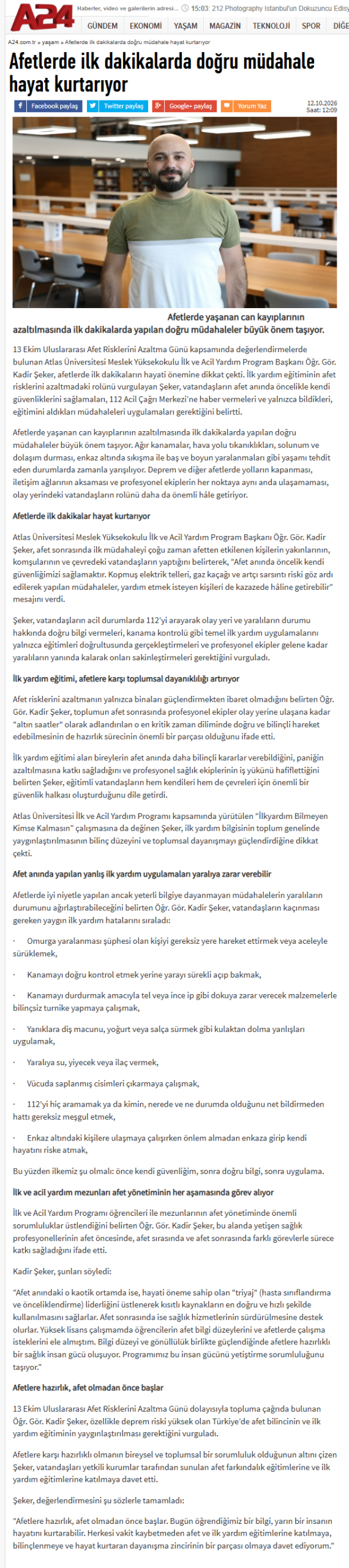
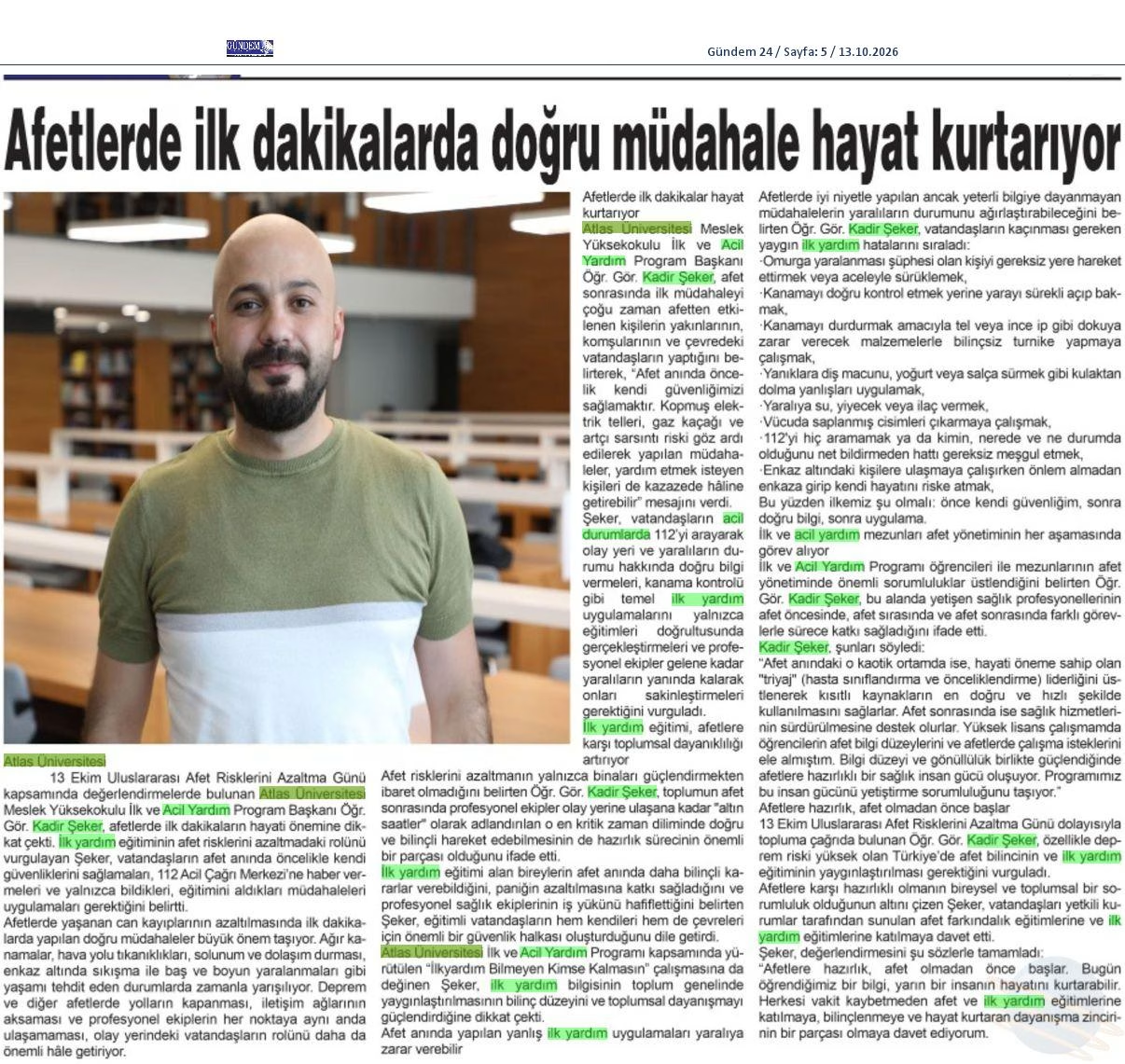
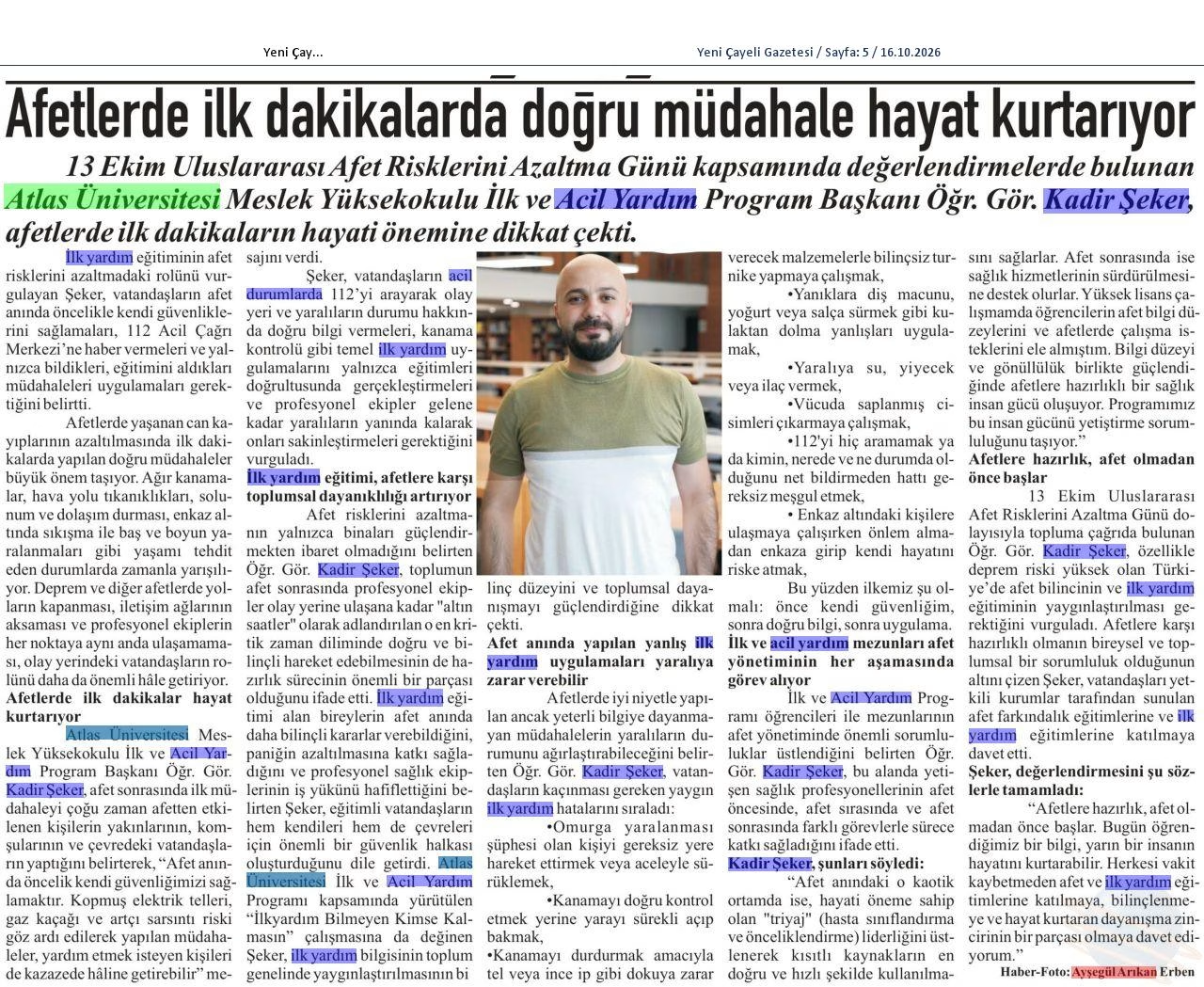
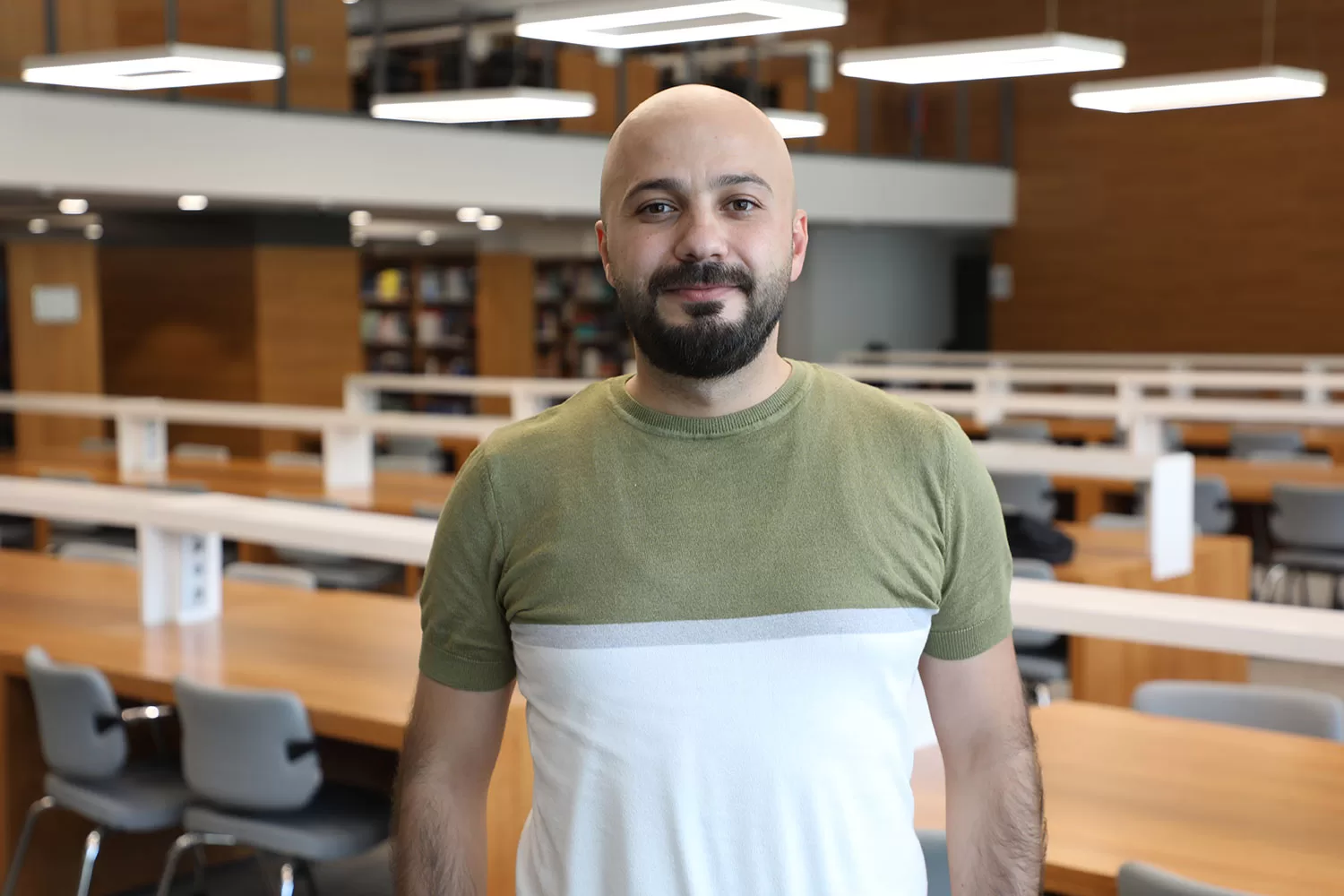
Kadir Şeker, Lecturer and Head of the First and Emergency Aid Program at Atlas University Vocational School, stated that the first response after a disaster is often carried out by the relatives, neighbors, and citizens in the surrounding area of the injured, and emphasized that ensuring personal safety should be the priority when trying to help.
Şeker emphasized that dangers such as broken power lines, gas leaks, and aftershocks should not be ignored in disaster areas, stating, "In times of disaster, the priority is ensuring our own safety. Interventions made without considering these risks can turn those who want to help into victims as well."
How to Administer First Aid During a Disaster?
Kadir Şeker stated that acting correctly during a disaster is critical for both the safety of the injured and the effectiveness of the response teams, and urged citizens to first contact the 112 Emergency Call Center in emergencies and provide clear and accurate information about the location of the incident and the condition of the injured.
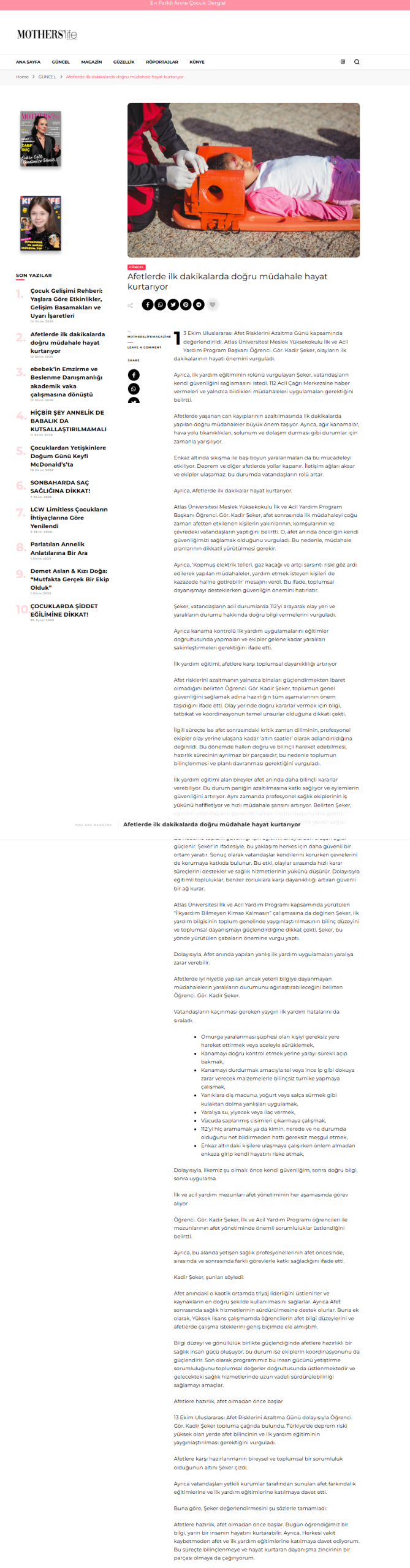
Şeker stated that until professional teams arrive at the scene, the condition of the injured should be properly monitored, individuals should be calmed, and basic first aid procedures should only be performed in accordance with the training received, emphasizing that uninformed interventions can lead to serious consequences.
He emphasized that the fundamental approach during a disaster is to ensure personal safety, provide accurate information, and intervene within the limits of one's capabilities.
Incorrect first aid practices can worsen the condition of injured individuals.
In disasters, well-intentioned interventions lacking sufficient knowledge can worsen the health of the injured. Lecturer Kadir Şeker warned citizens against common first aid mistakes during disasters.
The main mistakes to be avoided during disasters are listed as follows:
- Avoiding unnecessary movement or hastily dragging individuals suspected of having a spinal injury.
- Instead of controlling the bleeding, they keep opening and checking the wound.
- Attempting to apply a tourniquet with materials like wire or thin string, which can damage tissues, without proper training and equipment.
- Applying substances like toothpaste, yogurt, or tomato paste to burns.
- Giving water, food, or medicine to the injured person.
- Trying to remove objects lodged in the body.
- Failing to call the 112 Emergency Call Center or providing incomplete or unclear information about the scene and the condition of the injured.
- Putting your own life at risk by entering the rubble without taking the necessary safety precautions.
Şeker emphasized the importance of acting consciously during a disaster, stating that the basic approach should be "My own safety first, then accurate information, then implementation."
First Aid Training Enhances Societal Resilience to Disasters
Kadir Şeker stated that reducing disaster risks is not limited to strengthening buildings alone, and that enabling the community to make the right decisions during the critical time between a disaster and the arrival of professional teams is also an important part of disaster preparedness.
Şeker stated that individuals who receive first aid training are able to act more consciously in emergencies, contribute to reducing panic, and support the work of professional health teams, adding that trained citizens form an important safety link for society.
Referring to the "No One Should Be Without First Aid Knowledge" project carried out within the scope of Atlas University's First and Emergency Aid Program, Şeker emphasized that spreading first aid knowledge throughout society strengthens disaster awareness, social solidarity, and preparedness levels.
First Aid and Emergency Program Graduates Take on Roles in Disaster Management.
Lecturer Kadir Şeker stated that students and graduates of the First and Emergency Aid Program assume important responsibilities in different stages of disaster management, and that healthcare professionals trained in this field contribute to the process before, during, and after a disaster.
Highlighting the importance of triage practices in the complex environment of disasters, Şeker stated that classifying patients and injured individuals according to their condition and determining intervention priorities ensures the accurate and rapid use of limited healthcare resources.
He stated that first responders and emergency medical professionals, who support the continuity of health services after a disaster, play a significant role in strengthening disaster response capacity.
Şeker stated that her master's thesis addressed students' knowledge levels about disasters and their willingness to work in disaster situations, adding that developing both knowledge and volunteerism together creates a healthcare workforce prepared for disasters.
Disaster preparedness begins before a disaster strikes.
In a call to the public on the occasion of the International Day for Disaster Risk Reduction on October 13th, Lecturer Kadir Şeker emphasized the need to increase disaster awareness and expand first aid training, especially in Türkiye, a country with a high risk of earthquakes.
Underlining that being prepared for disasters is both an individual and societal responsibility, Şeker invited citizens to participate in disaster awareness and first aid training organized by the relevant institutions.
Şeker stated that disaster preparedness should begin before a disaster occurs, and made the following remarks:
“Disaster preparedness begins before a disaster strikes. Information we learn today could save a life tomorrow. I invite everyone to participate in disaster and first aid training without delay, to raise awareness, and to become part of this life-saving chain of solidarity.”