


The event highlighted the importance of academic solidarity with academics and students who are continuing their scientific work despite wartime conditions.
The Future of Higher Education and Academic Solidarity in Gaza Were Discussed.
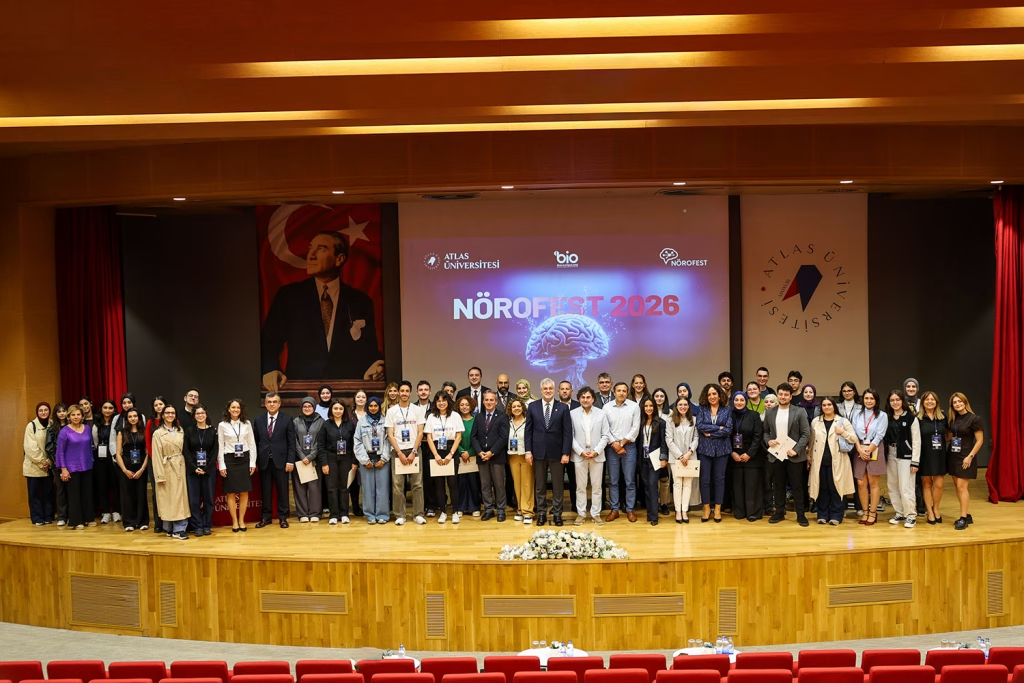
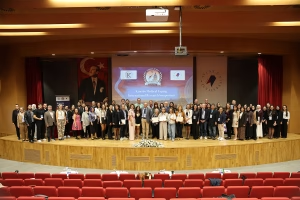
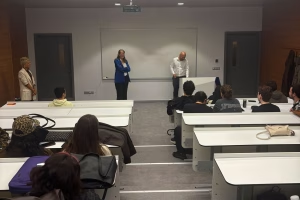
Academics and students from Israa University, which operates in Gaza, participated online in the “Science Cafe for Gaza: Keeping a University Alive” event held at Atlas University Valley Campus X Lab.
The event addressed the impact of the war on universities, academics, and students in Gaza, while emphasizing the need to continue scientific production and strengthen international academic solidarity despite all the challenges.
Prof. Dr. Ali Sınağ: “Academic Solidarity is Even More Meaningful in Challenging War Conditions”
Delivering the opening speech of the event, Atlas University Vice Rector Prof. Dr. Ali Sınağ stated that scientific solidarity takes on even greater significance in challenging wartime conditions.
Drawing attention to the humanitarian tragedy in Gaza, Prof. Dr. Sınağ stated that the efforts of scientists to continue producing scientific knowledge and conducting research despite the harsh conditions of war is a significant example of resistance.
Prof. Dr. Ali Sınağ stated that producing science in Gaza does not only mean conducting academic activities, and added the following:
“In Gaza, science means clinging to the light of science even in the most challenging conditions in the world, deprived of the most basic needs like water and food. Despite all the destruction and the harsh conditions created by the war, it shows how strong the will of the society is to heal its wounds through science and research.”
"Embracing science in difficult circumstances was also present in the founding of our Republic."
Citing the founding process of the Republic of Türkiye as an example of the importance of scientific thinking in difficult circumstances, Prof. Dr. Ali Sınağ emphasized that Mustafa Kemal Atatürk based the establishment of the Republic on a scientific approach under challenging conditions.
Prof. Dr. Sınağ stated that it was important to hear directly from the academics in Gaza about how they cling to the light of science despite the difficulties they face, and continued as follows:
“When Mustafa Kemal Atatürk established the Republic under difficult circumstances, all of his efforts were based on science. All of those strategies and policies were scientific. We can understand Gaza, but it will be very exciting for us to hear from them about how they still cling to the light of science amidst the difficulties they are currently experiencing.”
Atlas University offers support to academics in Gaza.
Professor Dr. Ali Sınağ stated that Atlas University supports the efforts of academics in Gaza to continue their scientific work, and that the university is ready to provide support to academics in terms of necessary materials and human resources.
Prof. Dr. Sınağ also stated that the national funding organization TÜBİTAK supports bilateral cooperation agreements with universities in Gaza, and that Atlas University would be pleased to jointly apply for these funds with Israa University.
Universities in Gaza continue their scientific work despite the destruction.
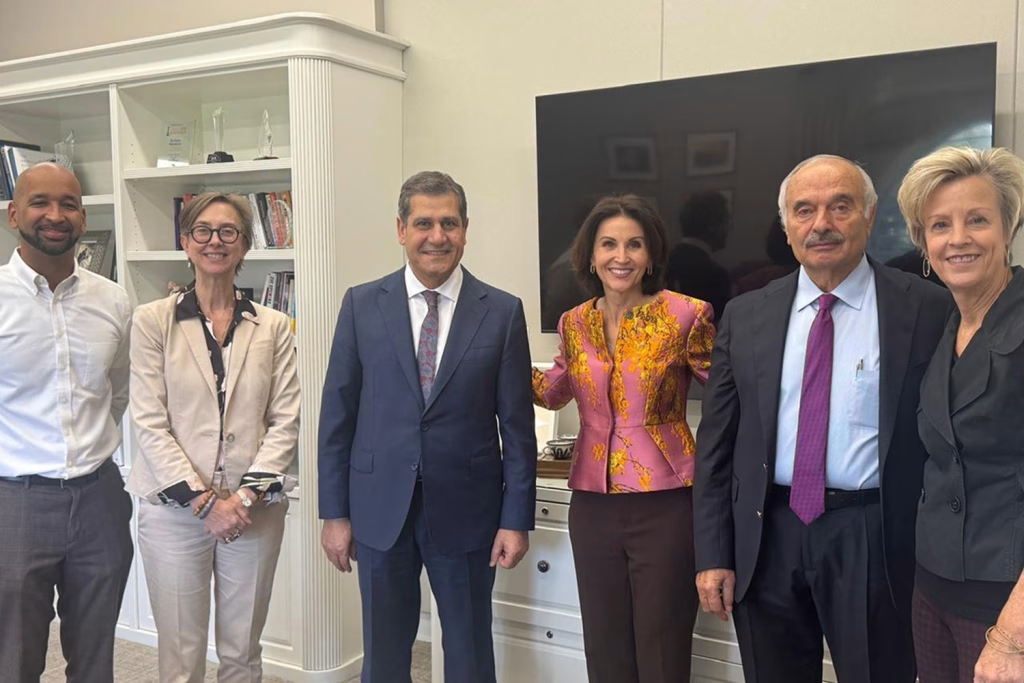
Dr. Nahed Hijazi, Vice-Chancellor for Academic Affairs at Israa University; Dr. Ahmed Ezzat Al-Salibi, Dean of the Faculty of Engineering and Information Technology; Dr. Maher Al-Bayoumi, Rector's Advisor for Projects; Dr. Taleb Abu Mualla, Dean of the Faculty of Medical Sciences; and Afnan Shomer, a student from the Faculty of Engineering and Information Technology, all participated in the event online and described their efforts to continue their scientific work despite the harsh conditions brought about by the war.
Academics and students from Gaza reported facing serious problems in education and healthcare, primarily due to the destruction of university buildings. Despite these challenges, they emphasized the great importance of continuing scientific research and academic work.
Representatives from Israa University stated that despite all the challenges, they wanted to continue producing scientific knowledge and conducting research, and thanked Atlas University for its academic solidarity and support..